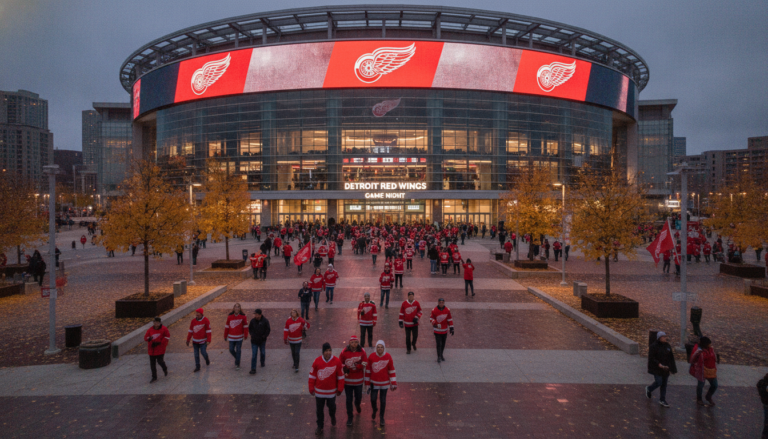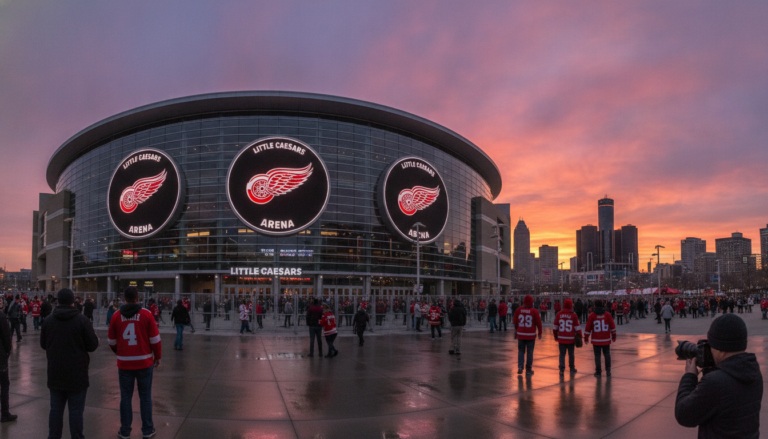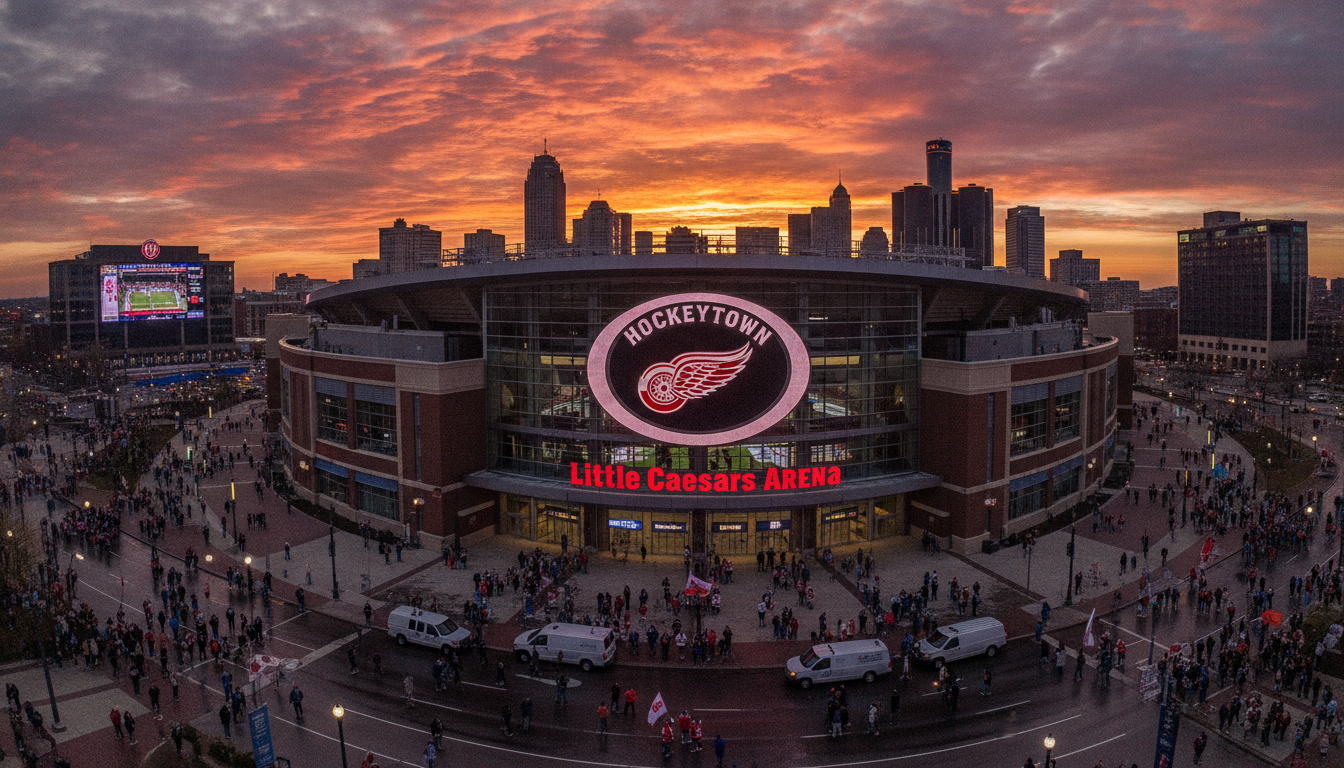
As the autumn air begins to settle over the District Detroit, the focus of the city’s sports landscape is shifting toward Little Caesars Arena. Following a season that ended in a razor-thin margin away from a playoff berth, the Detroit Red Wings are entering the 2024-25 campaign with a roster designed to rectify past inconsistencies. Several key Red Wings players are entering the season under the spotlight, appearing poised for a bounce-back season that could determine the franchise’s trajectory for the next decade.
The Stakes for the Yzer-plan in 2024
General Manager Steve Yzerman has remained steadfast in his approach to rebuilding the storied franchise, emphasizing patience and sustainable growth. However, after the heartbreak of Game 82 last season, the pressure to perform has intensified. According to official team statements and end-of-season evaluations from the Detroit Red Wings front office, the focus has shifted from mere development to definitive results. The team’s ability to return to the postseason hinges on the recovery and progression of specific veteran and intermediate-tier talent.
The defensive corps, in particular, remains a focal point of discussion among local analysts. Last year, the team struggled with high-danger scoring chances against, a metric that analysts at NHL.com suggest must improve if Detroit is to compete in the Atlantic Division. This structural improvement relies heavily on the resurgence of players who saw their statistical impact dip or were hampered by injuries during the previous 82-game stretch.
Impact on Detroit Residents and the Local Economy
The performance of the Red Wings extends far beyond the ice; it is a vital component of the Detroit economy. A successful, winning team drives foot traffic to the Midtown and Downtown corridors, benefiting local bars, restaurants, and retail establishments. When the Red Wings are in playoff contention, the “Hockeytown” moniker translates into tangible economic data. According to the Detroit Economic Growth Corporation, sports-related tourism is a major driver for the city’s hospitality sector. A bounce-back season for key players ensures that Little Caesars Arena remains a high-occupancy destination throughout the spring, providing a secondary boost to the downtown development projects currently reshaping the city skyline.
For the residents, the team’s success is a matter of civic pride. The Red Wings have historically been a unifying force in the city, and the prospect of a competitive team provides a sense of community momentum. Local business owners in the vicinity of Woodward Avenue often report a 20-30% increase in game-day revenue when the team is performing well, highlighting the direct link between on-ice success and the financial health of the neighborhood.
Key Individuals Targeting a Return to Form
The Goaltending Conundrum: Ville Husso
Perhaps no player is more critical to the Red Wings players bounce-back season narrative than goaltender Ville Husso. After a 2023-24 season marred by lower-body injuries that limited his availability, Husso is reportedly entering training camp with a clean bill of health. Data from the U.S. Bureau of Labor Statistics regarding professional athlete recovery timelines suggests that the 24-month window following major muscular injuries is critical for a return to peak performance. Husso, who was acquired to be the definitive starter, saw his save percentage dip as he struggled to find rhythm between injury stints. If he can stabilize the crease, the Red Wings’ defensive metrics are expected to see a sharp upward correction.
Offensive Depth and Jonatan Berggren
Another focal point is the young forward Jonatan Berggren. After spending a significant portion of last year in the AHL with the Grand Rapids Griffins, Berggren is expected to take on a full-time role in Detroit this year. Sources close to the organization indicate that his development has reached a point where his playmaking ability is needed to supplement the top six. For Berggren, this season represents a “bounce-back” not from poor play, but from organizational displacement. His success would provide the secondary scoring that was often absent during Detroit’s mid-season slumps last year.
Analytical Outlook and Future Projections
The financial structure of the team also reflects this period of transition. With major contract extensions for core pieces like Moritz Seider and Lucas Raymond, the Red Wings have committed significant portions of their salary cap to their youth. This investment mirrors broader trends in the detroit sports economy, where franchises are increasingly betting on long-term internal growth rather than short-term free-agent fixes. Data from the NHL Players Association shows that teams with a consistent core under the age of 26 tend to have higher year-over-year improvement rates in points percentage.
The predictive models for the upcoming season suggest that if Detroit can maintain a healthy roster, they are statistically likely to see an increase in their defensive efficiency. The addition of veteran presence in the off-season was designed specifically to protect the lead, a scenario where the Red Wings lost a significant number of points in the previous year.
What Happens Next for Hockeytown
As training camp concludes and the regular season begins, the city will be watching closely. The trajectory of these specific players will be monitored not just by fans, but by city planners and business leaders who recognize the team’s role as an anchor for Detroit’s cultural resurgence. The expectation within the dressing room is clear: the time for moral victories has passed. With a healthy roster and a motivated core, the Red Wings players are positioned to deliver the bounce-back season that Detroit has been waiting for since the team moved into its new home on Woodward Avenue. The success of the 2024-25 season will likely define the next era of professional hockey in Michigan, setting the stage for what many hope will be a return to the perennial excellence that defined the franchise for decades.