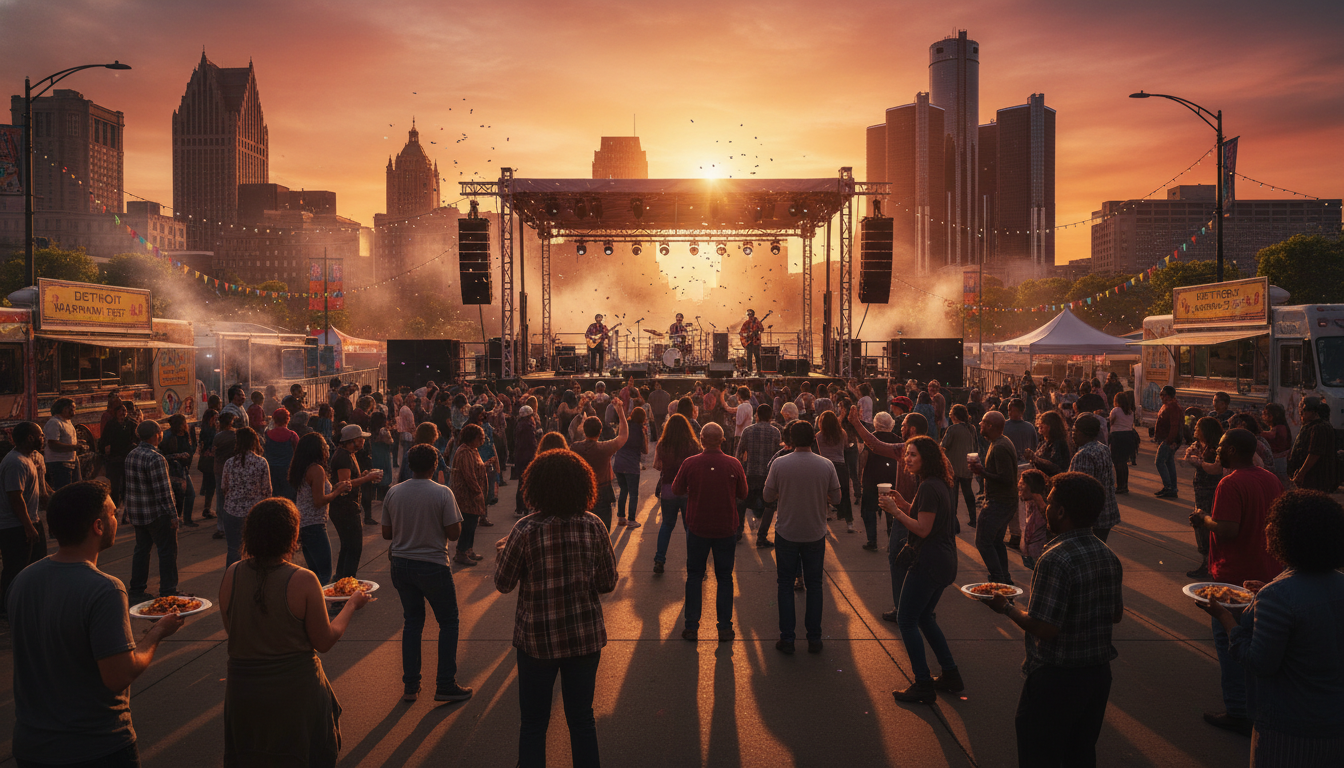
The arrival of warmer temperatures in Southeast Michigan marks more than just a change in weather; it signals the official launch of the 2024 Detroit festival season. From the rhythmic pulses of electronic dance music to the aromatic draws of neighborhood food festivals, the city is preparing for a series of large-scale events expected to draw hundreds of thousands of visitors to the downtown core and surrounding neighborhoods. For Detroit residents and local business owners, these gatherings represent a critical period of economic activity and cultural celebration.
The Economic Engine of Detroit Festivals
The scale of these events provides a substantial boost to the local economy. According to data from Visit Detroit, the city’s convention and visitors bureau, major festivals can generate tens of millions of dollars in economic impact through hotel stays, restaurant spending, and transportation usage. The Movement Electronic Music Festival, traditionally held over Memorial Day weekend at Hart Plaza, remains one of the city’s largest international draws, attracting fans from dozens of countries to the birthplace of techno.
City officials note that the preparation for these events begins months in advance. The City of Detroit Office of Special Events works closely with organizers to manage logistics, security, and permitting. For many local businesses, the influx of foot traffic is a vital part of their annual revenue strategy. Small vendors and food truck operators, in particular, rely on the high-density crowds found at a signature food festival to reach new customers who may not frequent their brick-and-mortar locations during the winter months.
Celebrating Detroit Culture through Music and Food
While the economic figures are impressive, the heart of the season lies in its reflection of Detroit culture. The city’s musical heritage—spanning jazz, techno, Motown, and gospel—is on full display throughout the summer months. The upcoming schedule includes not only the world-renowned Detroit Jazz Festival later in the season but also dozens of smaller, neighborhood-centric music events that highlight local talent.
Parallel to the music scene is the city’s growing reputation as a culinary destination. This year’s lineup of food festivals aims to showcase the diversity of Detroit’s neighborhoods. From the Greek 4th of July festival to African World Festival, these events allow residents to engage with the cultural traditions that define the city’s identity. Organizers are increasingly focusing on inclusivity, ensuring that local vendors from various Detroit neighborhoods are given priority placement in high-traffic festival zones.
Impact on Detroit Residents
For the people who live and work in the city, the festival season brings both opportunities and logistical challenges. On the positive side, these events create thousands of seasonal jobs in hospitality, security, and event production. The Downtown Detroit Partnership (DDP), which manages several of the city’s key public spaces like Campus Martius Park, emphasizes that these events are designed to be accessible to the public, with many offering free admission to ensure all Detroiters can participate.
However, the surge in activity also necessitates significant adjustments to daily life. The Detroit Department of Transportation (DDOT) often implements reroutes for bus lines to accommodate street closures, particularly around Hart Plaza and Woodward Avenue. Residents are encouraged to monitor the City of Detroit official website for real-time updates on traffic patterns and public safety announcements. Noise ordinances are also a point of discussion, as the city balances the vibrant energy of music events with the needs of those living in increasingly residential downtown areas.
Background & Data: Attendance and Growth
Historical data suggests that Detroit’s festival attendance has fully rebounded to pre-pandemic levels. In 2023, the Detroit Jazz Festival reported record-breaking numbers for its streaming and in-person hybrid model, while Movement saw sold-out crowds. This growth is attributed to improved infrastructure and a concerted effort by the city to revitalize public parks. The Detroit Riverfront Conservancy has played a pivotal role in this, transforming the riverwalk into a premier venue for community gatherings.
A recent report by the Detroit Economic Growth Corporation (DEGC) highlighted that events focused on Detroit culture serve as an ‘entry point’ for further investment. When visitors attend a food festival or a concert, they are more likely to consider Detroit for future business ventures or residential moves. This ‘halo effect’ of festival season is a key component of the city’s long-term urban development strategy.
What Happens Next
As the first major events of the season commence, the focus shifts to sustainability and long-term planning. City Council members have recently discussed initiatives to reduce the environmental footprint of large-scale festivals, including better waste management and the promotion of public transit to reduce carbon emissions. Additionally, there is an ongoing effort to expand festival programming into the outer neighborhoods, moving beyond the downtown core to ensure that the benefits of the season are felt city-wide.
Looking toward the coming weeks, residents can expect a steady cadence of announcements regarding lineup additions and specific neighborhood street fairs. For a city that defines itself through its grit and its art, the kickoff of the festival season is more than just a calendar update—it is a homecoming for the community and a showcase of Detroit’s enduring spirit on the global stage.