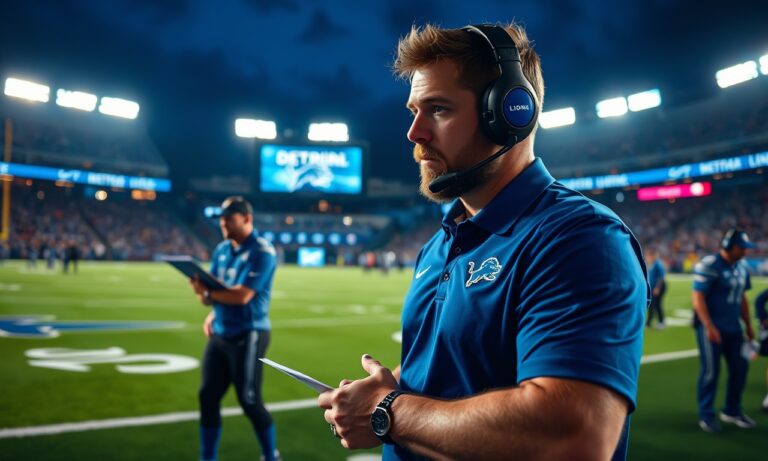
The Detroit Lions’ season is already shaping up to be a story of accountability. In a recent round of offseason reflection, longtime Detroit quarterback Matthew Stafford said he and the team “had opportunities” during the NFL playoffs and acknowledged that some of the mistakes they made were on him and the offense, including the kind of execution errors that can swing a single drive—or a single possession—late in postseason games.
Stafford’s comments arrive as the Lions evaluate what went wrong against playoff-caliber opponents and look ahead to the next chapter of NFL playoffs planning. For Detroit fans, the remarks carry extra weight because they speak to a recurring theme in postseason football: when the margins shrink, turnovers, timing, and decision-making become the difference between extending a season and going home early.
Main takeaways from Stafford’s playoff mistakes
Stafford did not frame the postseason as one single failure point. Instead, he described playoff mistakes as a combination of misreads, protection issues, and offensive execution breakdowns that prevented Detroit from making plays consistently in key moments.
“I take responsibility for the parts I can control,” Stafford said in a reported offseason interview, according to The Detroit News. He added that the Lions had chances to tighten things up, particularly on drives where the game plan was there but the execution didn’t match it.
Those reflections line up with how professional analysts describe playoff football: the league’s best teams reduce the margin for error by disguising coverages, pressuring quarterbacks, and forcing longer third downs. When an offense is behind the chains, small inaccuracies—an overthrow, a late adjustment, a missed window—can cascade quickly.
Stafford’s admission of errors is especially notable because Detroit’s quarterback has long been viewed as a cerebral signal-caller who studies tendencies and expects the offense to execute at a high level. When he says he and the team were not clean enough, it becomes a clear message for a franchise that wants to translate regular-season competitiveness into postseason results.
Why Stafford’s focus matters for the Detroit Lions
For the Detroit Lions, playoff mistakes aren’t just a stat-line issue—they affect offseason priorities. If the problem is decision-making under pressure, the answer can involve more reps on protections, timing routes, and situational progressions. If the issue is communication or pre-snap clarity, the solution can shift toward film study and streamlined play-calling. Either way, quarterback leadership is often the first lever a team pulls.
In Detroit, where sports coverage is deeply embedded in local conversation, these acknowledgments also shape public expectations. Fans measure progress not only by wins, but by the ability to avoid the kinds of mistakes that linger in memory after a short postseason run.
Sports analytics outlets have long emphasized that turnovers and “situational” execution—how an offense performs on third down, in the red zone, and during pressure drives—predict postseason outcomes. Data from Pro-Football-Reference shows how play-by-play results and turnover differentials often correlate with playoff advancement, reinforcing the idea that small errors become costly in the NFL playoffs.
Impact on Detroit residents and local sports culture
Detroit residents don’t experience the Lions season only from a TV screen. The team is a major part of how many people connect to the city’s identity, from game-day gatherings in neighborhoods to the local economy that swells during home stands and media weeks.
When a franchise is candid about playoff mistakes, it can influence how businesses and community groups plan around football season energy. Areas near downtown and around the stadium routinely see increased activity on game days—from restaurants and bars to ride-share demand and events at local venues.
City residents also tend to follow the Lions’ offseason developments because they mirror broader Detroit narratives about rebuilding and staying accountable. In a community that has watched generations of change, the language of responsibility matters: it sets the tone for how the team will approach fixes, roster decisions, and coaching emphasis.
There’s also a practical impact. Stafford’s comments can shape how quarterback development is discussed among local football coaches, youth programs, and high school athletes. When a Detroit quarterback publicly acknowledges errors, it often becomes a teaching moment for players who look to the professional level as a roadmap for improvement.
Background & data: what the playoffs demand
Stafford’s playoff mistakes fit a broader NFL pattern: the postseason compresses time and increases the consequences of each snap. Opponents have more time to prepare, and defenses are better equipped to eliminate “easy” completions while disguising pressures and coverage shells.
According to the NFL’s own game-review framework and league film-study emphasis, teams often spend weeks tailoring plans for specific opponents, with a heavy focus on how pressure arrives and how quarterbacks adjust to shifting coverages. While those adjustments are routine in the regular season, they can become more difficult in the playoffs when pass rush intensity rises and defenses play tighter windows.
In Detroit, the quarterback is the center of that adjustments process. The Lions’ offensive performance depends on timing between route concepts and protection calls. When Stafford admits errors, it suggests the Lions want sharper synchronization between play design and execution—especially when the pocket collapses or when receivers are asked to settle into progressions rather than run clean, high-percentage targets.
What happens next for the Lions
Stafford’s remarks don’t guarantee a specific outcome, but they do narrow the path for improvement. The Lions can address playoff mistakes through several offseason and in-season mechanisms:
- Film-driven correction: Expect a detailed review of the specific moments Stafford referenced—drives where the offense could not sustain momentum, protect the ball, or convert critical third downs.
- Quarterback-receiver timing: Postseason play often tests route spacing and window recognition; timing refinements can be a major focus of practice.
- Protection and decision-making: If errors were tied to pressure recognition or protection calls, the team is likely to emphasize situational play-calling clarity.
- Execution consistency: Even well-designed plays fail without clean execution, and playoffs demand fewer mistakes per possession.
As Detroit turns the page toward the next NFL playoffs cycle, Stafford’s willingness to admit errors sets a tone that the Lions will likely carry into offseason work and spring evaluations. For a franchise built around resilience and attention to detail, the next step is converting accountability into repeatable execution when it matters most.
Whether Detroit takes the next leap will show up in the details: red-zone efficiency, third-down conversions, and the ability to avoid the mistakes that derail postseason drives. For now, the message from Stafford is clear—progress starts with owning what didn’t work.