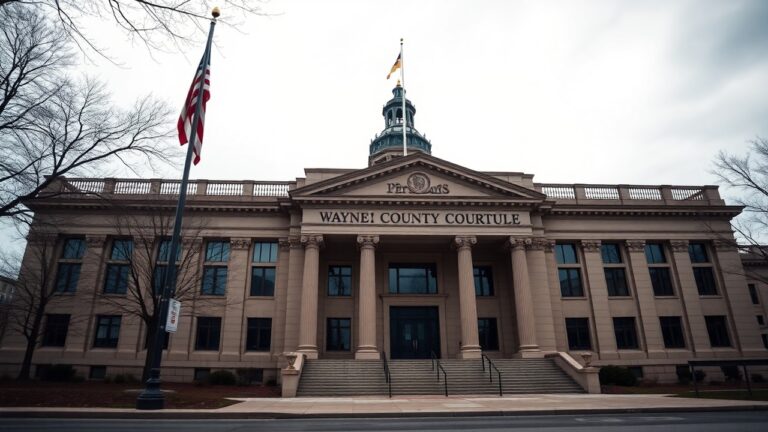
Terrion Arnold, a cornerback for the Detroit Lions, has been charged in connection with an incident involving alleged kidnapping charge and armed robbery arrest, according to court records and statements from law enforcement. The case is now headed through Michigan’s pretrial process, while the team and league continue to monitor developments.
Arnold was charged by prosecutors after police said the matter involved allegations of forcible confinement and theft. The charges raise serious questions for the athlete’s near-term playing status and bring heightened attention to how major professional sports organizations handle personnel issues during active criminal proceedings.
What Detroit residents are learning so far
In the early reporting of the incident, authorities described a sequence of events that led to Arnold’s arrest. In a brief statement, investigators said they had responded to a report and subsequently sought charges consistent with the alleged conduct. The specific allegations—including the kidnapping charge and the armed robbery arrest—are outlined in the charging documents that are part of the public court record.
According to the Michigan State Police (or the relevant investigating agency referenced in the case filings), the criminal process begins with police reports and probable-cause determinations, followed by charging decisions by prosecutors. Those decisions reflect the state’s view of what evidence supports each count—not a finding of guilt.
Meanwhile, defense filings and court appearances will determine what evidence is admitted, whether bail conditions are modified, and how quickly the case proceeds toward a preliminary examination or other pretrial milestones.
Charges and the criminal process
Under Michigan law, kidnapping charges and armed robbery allegations carry significant potential consequences if prosecutors ultimately prove the case beyond a reasonable doubt. Even though Arnold is presumed innocent, the gravity of the alleged conduct is reflected in the nature of the counts.
According to Michigan courts guidance published by the state judiciary, early proceedings often include arraignment, bail determinations, and scheduling for hearings. The record may also include motions—such as requests to suppress evidence—depending on how the defense challenges the arrest or search-and-seizure issues.
Local reporting will likely focus on whether prosecutors file additional counts, whether the defense seeks to reduce charges, and what conditions are imposed during the pendency of the case. If the matter advances to trial, sentencing outcomes—potentially including long prison terms—depend on the conviction, the specific statutory framework, and Michigan’s sentencing guidelines.
Impact on Detroit Lions and team operations
For the Detroit Lions, the case could affect roster planning, media coverage, and how the franchise manages its public messaging during an active criminal matter. NFL teams typically follow league and workplace policies that address conduct-related concerns, but the precise outcome for playing eligibility depends on both procedural developments and the league’s disciplinary posture.
According to the NFL’s general player conduct framework (as described in league materials and widely reported summaries of policy), the league can take action independent of the criminal justice system. However, those actions are not automatic and may vary depending on the status of the case, the nature of the allegations, and other factors.
Within Detroit’s sports community—where Lions fandom is deeply embedded in local culture—the situation also highlights the intersection between the criminal court system and the expectations that come with representing a major city. The Detroit news conversation may expand beyond football performance to questions about accountability, transparency, and due process.
Impact on Detroit Residents
Detroit residents may see the case affecting more than just game-day storylines. Criminal allegations involving high-profile figures can shape community conversations about safety, trust, and neighborhood experiences—particularly when the allegations involve violent or coercive conduct.
Local advocates have long urged that such incidents be handled with care in public reporting. Organizations that track criminal justice outcomes in Michigan often emphasize the importance of separating allegations from adjudicated facts and ensuring that victims—when applicable—are supported through the legal process.
At the same time, high visibility cases can influence how residents interpret institutional responses, from policing and prosecutorial charging decisions to how sports organizations respond to serious allegations. For some, the case may raise concerns about the role of wealth and celebrity in the justice system. For others, it may reinforce the need to follow procedures and let courts determine outcomes.
For Detroit’s wider public, the practical impact may include heightened media attention and increased scrutiny of court proceedings. Residents may also see spillover into related discussions—such as community safety initiatives, victim advocacy resources, and public understanding of how bail and pretrial conditions work.
Background & data: How Michigan handles serious felonies
Michigan felony cases—including serious violent allegations—typically move through a structured timeline. Michigan’s court system commonly uses stages such as arraignment, preliminary examinations (in cases where required), pretrial motions, and trial scheduling. Bail decisions depend on factors that courts weigh to balance public safety considerations against the presumption of innocence.
According to the Michigan Judicial Branch, pretrial procedures exist to manage evidence disputes, ensure the accused can participate in the case, and establish whether the prosecution has sufficient basis to proceed. Courts also address whether restrictions are needed to protect witnesses and maintain order.
From a neighborhood perspective, violent crime allegations can affect local residents’ sense of security—even before any trial. That uncertainty is precisely why legal advocates stress the distinction between alleged conduct and final verdicts, while also urging that cases move efficiently and fairly for all parties.
What happens next
Arnold’s next steps will likely involve scheduled court appearances, potential motions from both sides, and decisions on pretrial conditions. Prosecutors may seek trial dates or additional hearings, while the defense may attempt to narrow the case or challenge admissibility of evidence.
Detroit Lions officials and the league may also communicate with fans as the legal timeline unfolds. Until charges are resolved in court, Arnold remains in a legally unconfirmed position—meaning the case’s resolution will determine what the team can and cannot do under internal and league policies.
As the matter develops, Detroit residents will be watching for key updates: whether the charges are amended, whether bail conditions change, and whether the case proceeds toward a preliminary hearing or trial. For now, the most accurate framing remains the simplest one: allegations are pending, the court will decide the outcome, and the public record will guide what is known.