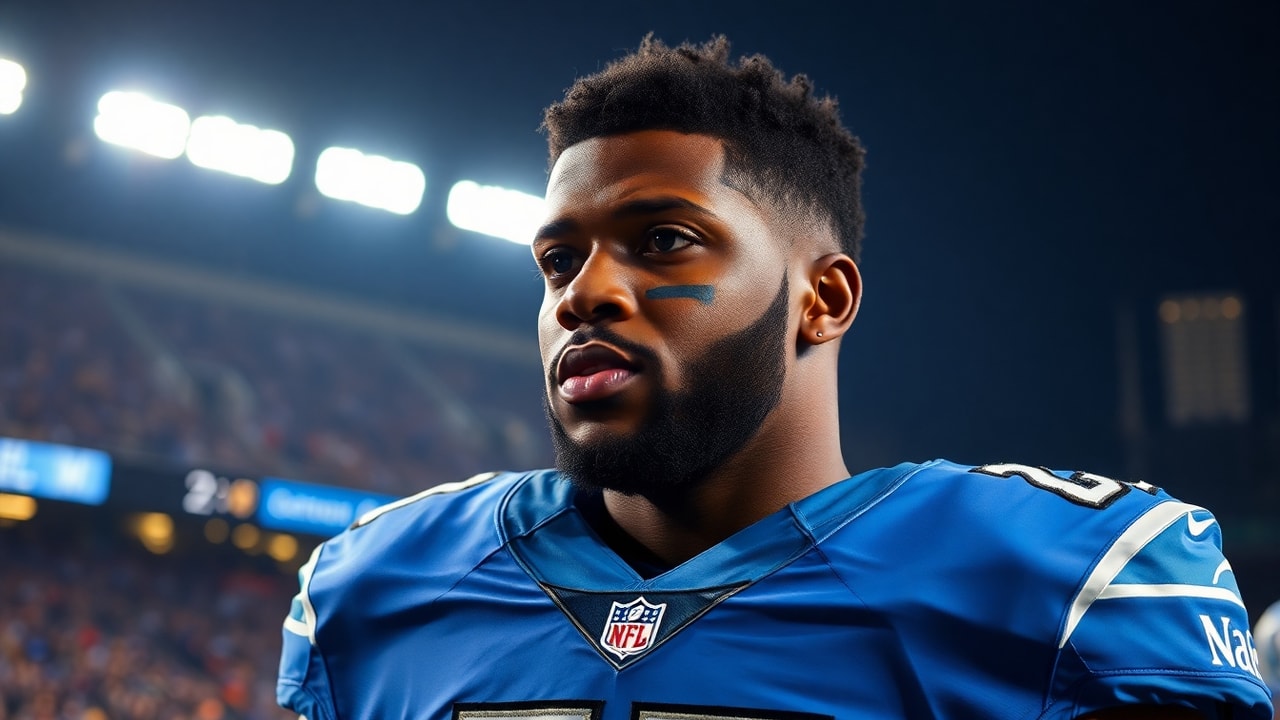
Terrion Arnold, a cornerback for the Detroit Lions, has been charged in Florida with 8 felony charges following an arrest tied to allegations involving a kidnapping case and robbery allegations, according to court records and statements reported by Florida authorities. The charges, which include multiple counts, mark a serious legal escalation that will likely reverberate well beyond Arnold’s personal case as fans and local observers look for clarity on how the situation may affect the team during the upcoming season.
Arnold, who has been part of Detroit’s defensive rotation, was arrested in Florida and later charged, the reporting says. While the Lions have not publicly conceded any facts beyond acknowledging they are aware of the situation, the case is now in the hands of Florida courts, where Arnold will have the opportunity to contest the allegations.
Main Section
Arnold’s charges center on allegations described in Florida filings, where prosecutors sought criminal accountability across eight felony charges. The legal filings—along with the arrest itself—were reported by Florida news outlets following Arnold’s detention. In the coverage, officials characterized the incident as involving both restraint-related accusations and force-or-theft-related claims, reflecting the broad scope prosecutors use when presenting felony matters to a court.
In Detroit, reactions have focused on the immediate question of what happens next for the Lions organization. The franchise has historically emphasized process and due diligence in the face of off-field legal developments, and it is expected to coordinate closely with league policy, legal counsel, and any determinations made in Florida court.
What we know so far about the Florida arrest
According to reporting based on court documents, Arnold was taken into custody in Florida and subsequently charged. The charges are being pursued by prosecutors through a formal criminal case. As of this writing, the detailed elements of each count—such as the exact statutory language and the alleged conduct attributed to each charge—remain subject to the adversarial process in court, including motions, hearings, and potential changes as the case develops.
The Lions have not announced any final disposition related to the litigation, and no determination has been reached in court that would resolve the underlying allegations. Under U.S. law, criminal defendants are generally presumed innocent unless and until a court or jury returns a verdict of guilt.
Impact on Detroit Residents
For Detroit residents and Lions fans, the news lands in the middle of a season-to-season rhythm where team performance, community visibility, and player profiles are tightly interwoven. Even when legal cases remain unresolved, organizations and athletes can experience immediate practical and reputational consequences.
From a community standpoint, Detroit sports culture often extends beyond Sundays. Many local fans associate the Lions with neighborhood outreach and public-facing leadership, and any high-profile legal matter can create tension between the desire for transparency and the requirement to respect legal proceedings.
Local attention also tends to follow players into the broader civic conversation about justice and accountability. As a result, residents may see increased scrutiny not only of the individual defendant, but also of how teams manage risk, communications, and public trust during legal disputes.
Separately, the case may prompt renewed focus on public-safety messaging and community awareness—especially because the allegations, as described in the reporting, involve serious crimes. While the criminal justice process is individual to the defendant and the specific facts alleged, incidents of alleged violence and intimidation often become part of wider community discussions about prevention, reporting, and the resources available to victims.
Background & Data
Legal challenges for professional athletes are not unique, but the outcome can be shaped by factors that vary widely from case to case: whether the charges involve domestic or interpersonal circumstances, how prosecutors present evidence, whether a defendant can reach bond conditions without violating terms, and how quickly the case moves through pretrial stages.
In general, courts operate under rules that require due process, including the right to challenge probable cause, the ability to seek discovery, and the possibility of requesting hearings on bail or other pretrial matters. Coverage in the past involving high-profile defendants has shown that the timeline from arrest to resolution can be lengthy, sometimes involving amendments to charges or plea negotiations, though none of that is predetermined in Arnold’s case.
According to the U.S. Sentencing Commission (which maintains federal sentencing data and general guidance), felony cases typically proceed through stages including initial appearance, pretrial hearings, discovery, and motions before trial or a negotiated resolution. While Arnold’s matter is in Florida state court rather than federal, the broader procedural concept—staged review before a final outcome—is consistent across many U.S. jurisdictions.
Meanwhile, in Detroit and the broader NFL ecosystem, the league’s conduct and discipline frameworks often address how teams and players handle off-field matters. The Lions, like other franchises, generally rely on a combination of internal review and compliance with league rules, but any team response is typically contingent on verified facts and formal milestones in the legal process.
As Detroit news organizations track the case, the most reliable updates are likely to come from court filings and official statements by prosecutors and defense counsel, along with confirmations of hearings scheduled in Florida.
What Happens Next
The immediate next steps depend on the schedule in Florida court: arraignment-related proceedings, potential bond or pretrial conditions, and hearings that may determine whether the case proceeds on all counts or whether any charges are narrowed. The defense may file motions challenging evidence or seeking dismissal, while prosecutors may pursue trials or negotiated outcomes depending on case strength and timing.
For the Lions, key decision points are expected to include: how the franchise communicates with fans, how it follows NFL-related policy, and whether the organization prepares for roster adjustments if the legal schedule affects availability. The team’s internal evaluation may also consider community expectations in Detroit—particularly because the Lions’ visibility in local programs can heighten the public’s demand for updates that are both timely and respectful of the legal process.
Fans looking for accurate information are likely to see updates tied to court milestones rather than speculation. In cases like this, details can evolve quickly as new filings are submitted or as hearings narrow the issues for the court.
For now, Terrion Arnold’s 8 felony charges remain allegations until a court resolves the matter. Detroit residents will be watching closely, not only for developments in Florida, but also for how the Lions respond as the case moves through the legal system.