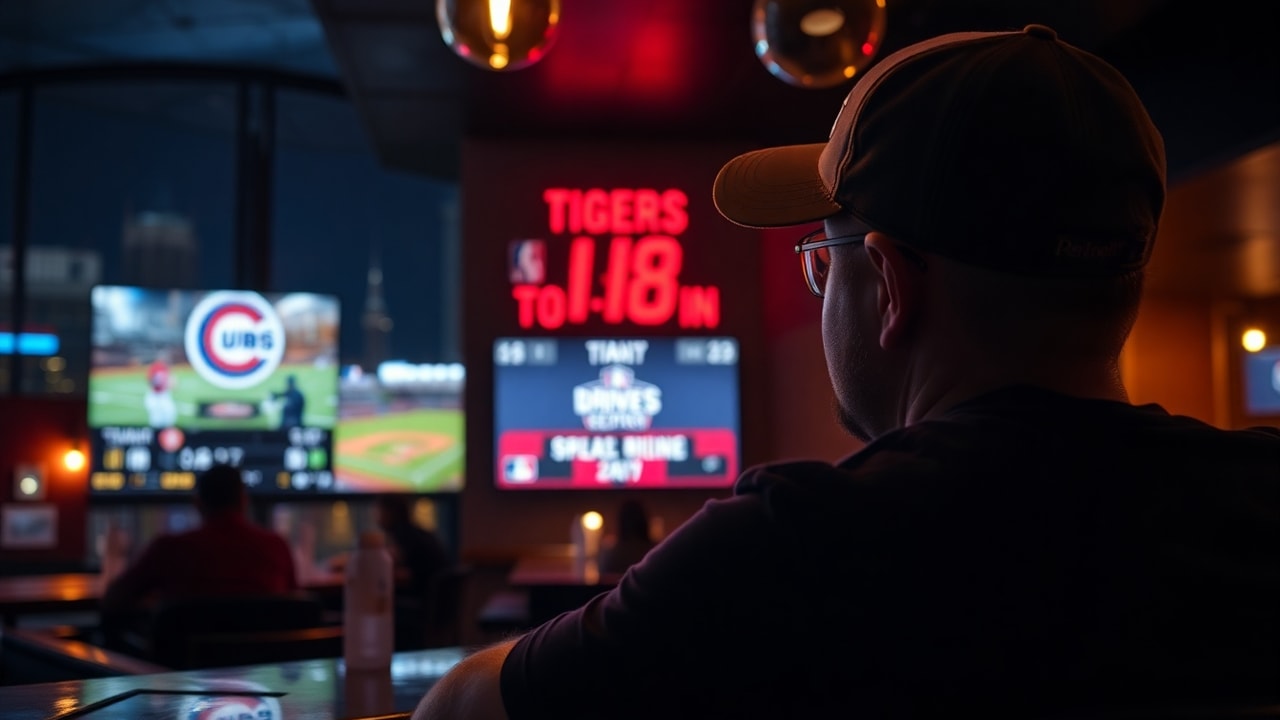
The Detroit Tigers aren’t playing Monday’s late-game thriller, but a Milwaukee Brewers comeback attempt that reached the 10th inning rally instead ended with a familiar result for fans who track the NL’s playoff chase: the Chicago Cubs held on to win a tightly contested game described in the MLB game recap. For Tigers supporters watching the broader standings, the finish provides a reminder of how quickly a one-run swing can reshape the postseason math.
According to the MLB official game recap, Milwaukee generated late pressure, extending the contest into the 10th inning before coming up short against Chicago. The rally was notable not only for its timing, but also for the way it mirrored the kind of baseball Detroit fans know well: sustained at-bats against late relief, a quick sequence of contact and base running, and then one decisive moment at the plate.
Cubs vs Brewers: what happened late
The final sequence, as outlined in the MLB game recap, centered on Milwaukee’s ability to fight through the late innings. After managing a path to extend the contest, the Brewers mounted a 10th inning rally intended to flip momentum and force the game into extras—or, at minimum, bring the tying run to the plate.
But Chicago’s response proved decisive. The Chicago Cubs tightened situational pitching late, limiting Milwaukee’s chances to convert runners into runs. The end result was a Cubs win in a game that, by the final innings, had turned into a near pitch-by-pitch chess match: each at-bat raised the leverage, and each out changed the math.
While the Tigers were not directly involved, the Cubs vs Brewers outcome has a ripple effect on teams across MLB. Detroit’s own roster decisions, player development, and schedule planning all exist within the larger league landscape, where playoff positioning is influenced by how rivals perform against one another.
Why the Tigers fanbase is paying attention
For Detroit Tigers fans, tracking the late-inning outcomes of other teams is more than scoreboard watching. Detroit is a franchise with a strong baseball identity, and its fanbase often follows the broader market dynamics that affect the sport—especially when the postseason race heats up.
Several Detroit-area outlets routinely reference MLB standings movements, and fans follow them as part of their day-to-day sports routine. According to Baseball-Reference, a long-running statistical resource widely used by baseball media, team performance and late-inning results help shape projections and playoff probabilities throughout the season. Those probabilities don’t affect the Tigers’ next opponent, but they do influence how teams evaluate trade targets, bullpen availability, and roster strategy.
In practical terms, a game that swings in the 10th inning can change more than one team’s record—it can influence how a club manages leverage situations the following week. For Detroit supporters, that matters because it’s a reminder that every inning has operational consequences for MLB front offices.
Impact on Detroit residents: baseball as a local habit
Detroit’s connection to baseball extends beyond the stadium. In neighborhoods across the city and metro region, residents use sports as a shared cultural touchstone—gathering at bars, watching games on streaming platforms, and talking through lineups and bullpen usage like they’re neighborhood events. When MLB games feature dramatic late comebacks (and near misses), the discussion spreads quickly through local communities.
That social element is especially visible around Detroit’s established sports bars and community viewing spots. Late-night or extra-inning finishes often become talking points the next day—especially among fans who follow the Tigers’ timetable and compare it with how other clubs manage pitching depth.
Additionally, Detroit’s sports economy is intertwined with broader regional spending. When fans attend games or frequent local establishments, that spend contributes to the local hospitality ecosystem. While this single Cubs-Brewers result won’t alter employment or business conditions on its own, the cumulative effect of a season’s worth of baseball interest supports the rhythm of local entertainment spending.
Background & data: understanding the leverage shift
Late innings are where strategy becomes most visible. In general, as MLB games move into high-leverage territory, managers rely on a smaller set of relievers, and pitchers’ matchups against specific batters becomes a deciding factor. The MLB game recap for the Cubs vs Brewers matchup reflected that kind of operational tightening in the late frames.
For context, the U.S. Bureau of Labor Statistics has reported on trends in how Americans spend on leisure and sports activities, underscoring that entertainment demand often tracks broader consumer patterns. In Detroit, that means sports conversations aren’t just about the game—they’re also about how residents allocate discretionary time and money.
From a baseball analytics perspective, late-inning performance can influence team-level narratives in the standings. According to Baseball Prospectus, pitching and bullpen performance in late innings has become increasingly central to modern evaluation, particularly during the period of the season when playoff positioning is on the line. Milwaukee’s rally reaching the 10th inning rally stage shows the Brewers had a path to swing the game; the Cubs’ ability to preserve the lead shows why bullpen management remains a differentiator.
What happens next for Detroit fans
For Detroit Tigers supporters, Monday’s external results offer two takeaways. First, the postseason race remains fluid, and late-inning execution can determine how teams stack up. Second, the Tigers’ own approach—how they manage their bullpen, how they sustain rallies when leverage rises, and how they respond to adversity—stays relevant even when the Tigers aren’t on the field.
As the season continues, expect more games where the 10th inning rally stage becomes the headline. When those stories overlap with the Tigers’ standings timeline, Detroit fans will likely read them as signals about roster readiness across MLB.
Meanwhile, Detroit residents can keep an eye on Tigers coverage and schedule context as the city’s baseball community continues its routine of game-day analysis and next-day discussion—one inning at a time.