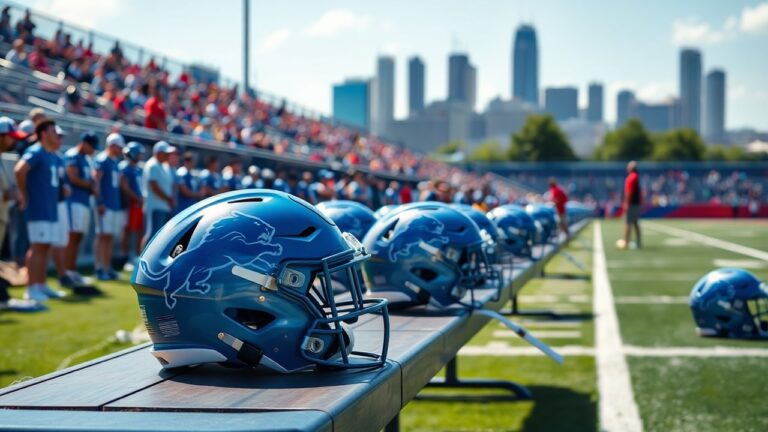
The Detroit Lions have released cornerback Terrion Arnold amid Tampa kidnapping charges, according to the team’s personnel announcement and reporting by major national outlets. The move comes as the legal case proceeds and adds to a turbulent offseason for the club as it evaluates its roster and organizational response to allegations.
For Detroit fans, the decision quickly raised questions about due process, team policies, and how the franchise manages public scrutiny when legal matters intersect with the NFL calendar. While the case is still pending, the Lions’ action underscores that organizations can act immediately—before any court outcome—while the justice system proceeds.
Detroit Lions release cornerback amid legal allegations
Arnold’s release follows tampa kidnapping charges that have been described in coverage from national sports media and local court reporting tied to the Tampa area. The precise details of the alleged incident are matters for the courts, but the charges prompted the Lions to move swiftly to remove him from the active roster.
A team statement did not decide guilt, but instead reflected a common NFL approach: when conduct allegations surface, teams may take interim roster action pending legal developments. The Lions’ decision also aligns with how the league has historically handled conduct-related situations, including the need to preserve organizational integrity and minimize distractions.
According to the NFL’s collective bargaining and conduct framework as summarized in NFL policies reported by ESPN, teams can make roster decisions that are separate from any eventual criminal conviction or acquittal. In other words, the legal process and the roster process can move on different timelines.
Impact on Detroit residents and Lions fandom
While Arnold’s situation is primarily a sports and legal matter, it has ripple effects that Detroit residents feel indirectly—through ticket expectations, local media coverage, and the broader identity the Lions hold in the city’s sports culture.
In Detroit, Sundays are a routine rhythm for many households, and the secondary decisions—like releases and depth chart changes—often become part of weekend conversations. Local sports talk shows, bars that project games on screens, and community groups that participate in Lions-themed events typically pivot quickly when the roster changes.
For season-ticket holders and fans following player arcs, the release can also be personally jarring. Arnold represented an on-field pathway many supporters hoped would solidify the Lions’ defensive future. When a young player leaves under legal clouds, it can shift how supporters evaluate the franchise’s short- and long-term planning.
Detroit also has a long history of public scrutiny around accountability and institutional decision-making. As University of Michigan scholars who study legal communication and public trust have noted in broader research on high-profile cases, public confidence can depend on whether institutions act transparently and consistently—even before final outcomes. That backdrop can influence how residents interpret the Lions’ decision and the league’s response, regardless of the eventual case result.
Background & data: legal process vs. roster action
The legal system requires proof in court, and the presumption of innocence applies until a judge or jury reaches a verdict. However, employment decisions in professional sports frequently occur earlier due to contract terms, league policies, and risk management considerations.
According to reporting summarized by the Associated Press, charges are allegations and do not equate to a conviction. Courts weigh evidence through a structured process that can include initial hearings, pretrial motions, plea discussions, and trial. In the meantime, teams may revise rosters to respond to the seriousness of accusations and potential impacts on team operations.
That separation is important for Detroit residents tracking the story: a release doesn’t answer the criminal questions in the case. It does, however, signal that the Lions viewed the Tampa kidnapping charges as significant enough to warrant immediate organizational action.
Why roster decisions can happen quickly
Professional sports organizations operate in a high-visibility environment where distractions can affect performance and team cohesion. Even when allegations are unresolved, teams often consider factors such as the player’s availability for offseason workouts, practice conduct, and the reputational concerns that accompany serious criminal claims.
In practical terms for Detroit, the release means the Lions must re-evaluate coverage depth, special teams roles, and practice-squad alignment. It also affects scouting and coaching priorities as the team prepares for training camp and the next phase of the season.
What happens next for the Detroit Lions and Terrion Arnold
The next steps depend on both the legal timeline and the Lions’ roster needs. From a football perspective, the Lions will look to fill any gaps created by the release through existing depth, potential free-agent opportunities, and practice-squad development. Coach and defensive staff decisions are likely to prioritize players already within the organization’s system.
From a legal standpoint, the case will follow court procedures in Tampa, where the charges were filed. As the matter moves forward, additional filings, hearings, or agreements between parties could change the circumstances of the allegations. If the outcome eventually shifts—through dismissal, plea, or verdict—it could still influence how future roster opportunities are evaluated.
However, fans should expect limited clarity in the short term. Court cases can move slowly due to procedural schedules, while NFL teams typically cannot wait months to adjust rosters for upcoming games.
Local takeaway for Detroit fans
For Detroit residents, the Lions’ release of Terrion Arnold amid Tampa kidnapping charges is a reminder that sports headlines can quickly intersect with serious legal matters. The decision reflects the team’s immediate need to manage risk and maintain focus, while the criminal case continues to play out under the court system.
As the story develops, Detroit fans will be watching two tracks: what the Lions do on the field, and what happens in court off it. Until then, the only certain points are that the Lions have made a roster move and that the legal process is ongoing.