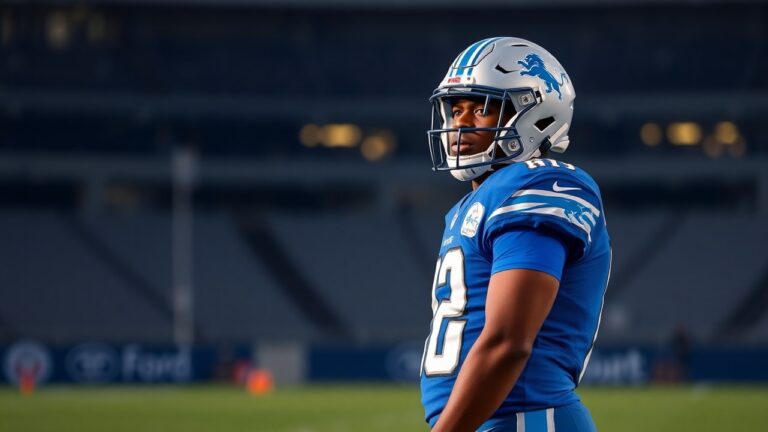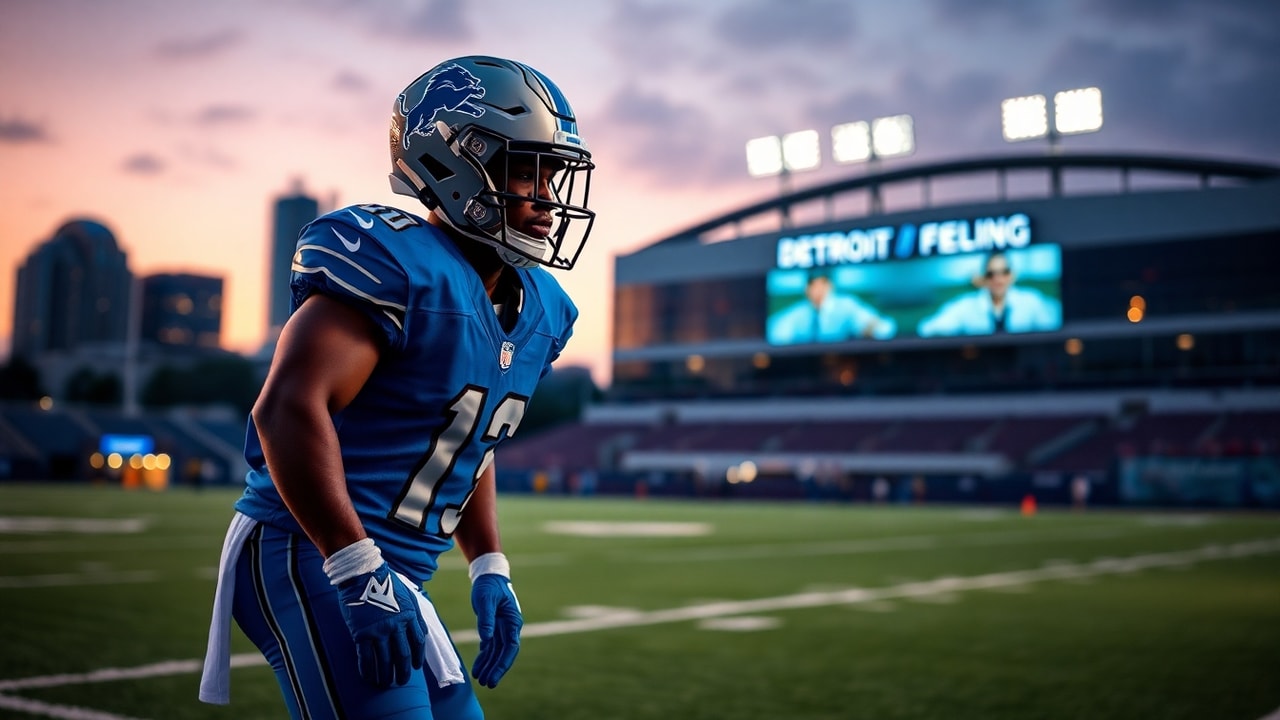
In a move that reshapes the defensive backfield around Terrion Arnold, the Detroit Lions have released the cornerback as part of ongoing roster management ahead of the next phase of the NFL season. The decision—reported among the latest NFL transactions—signals the team’s intent to adjust its secondary mix and allocate roster spots to other needs.
While teams rarely provide detailed medical or performance reasoning immediately upon release, Lions personnel decisions typically follow a combination of salary-cap considerations, practice-squad availability, and how players fit a coaching staff’s scheme. For fans in metro Detroit, the update comes at a time when attention to the Lions’ depth chart is especially high, with local game-day expectations tied closely to the team’s competitiveness.
Main Section
The Detroit Lions confirmed the CB release involving Terrion Arnold through the team’s transaction reporting and league-wide NFL transactions updates that circulate across national and local sports desks. As cornerback news continues to dominate off-season and in-season roster chatter, the Lions’ latest detroit roster moves highlight how quickly NFL rosters can change even when a player is still within striking distance of major role opportunities.
According to Pro Football Reference, offseason and in-season roster turnover often accelerates as teams seek the best combination of coverage skill, run support, and availability across the schedule. That’s especially true for cornerback depth, where matchups against division rivals can force rapid adjustments. Meanwhile, ESPN has previously noted that “the roster is a living thing” in the NFL—meaning teams can release players once they believe better options are available elsewhere or once salary/roster constraints demand movement.
For Arnold, a release opens the door to interest from other teams that may need cornerback depth due to injuries, scheme changes, or a desire for a different athletic profile. For the Lions, the step effectively clears space on the roster to pursue that internal or external balance.
Impact on Detroit Residents
For Detroit residents, changes to the Lions’ roster aren’t just sports talk—they can influence how fans engage with the team’s season, local media coverage, and even community business activity tied to game days. Lions home games ripple through nearby neighborhoods through increased demand for parking, food and beverage, and retail foot traffic—effects often noted by local hospitality leaders during busy weekends.
Local analysts frequently point out that the Lions’ roster decisions shape public expectations well beyond Ford Field. When a player like Arnold is released, it can change perceptions of the team’s defensive identity, especially among fans who follow cornerback matchups closely. That’s why local sports coverage tends to focus on what the release suggests about the Lions’ priorities: are they emphasizing press coverage, improving speed on the boundary, or adding players with different coverage responsibilities?
From a broader perspective, Detroit’s status as a major sports market means that roster decisions are often discussed alongside the city’s ongoing cultural life—sports bars, local radio segments, and community watch parties that help bring people together. Even if a release happens far from downtown boardrooms, it can quickly become a topic of conversation in barbershops, classrooms, and workplaces across the metro area.
Background & Data
Cornerback is a high-variance position in the NFL. Players are asked to respond instantly to route concepts, quarterback cadence, and shifting offensive personnel. When teams release players from that role, the move typically reflects an evaluation cycle that includes practice performance, film review, and how a player’s skill set fits the coaching staff’s defensive plan.
League resource allocation matters, too. Teams manage roster construction under the NFL’s salary cap and roster rules, which can lead to releases even when a player is viewed as talented—if the club needs flexibility for other positions. According to the NFL and its published roster mechanisms, clubs must balance active roster requirements with reserve designations and long-term financial considerations, which can create sudden changes during roster windows.
For the Lions, this situation unfolds against a backdrop of ongoing roster evolution across NFL teams. National coverage has repeatedly emphasized that “cornerback depth” is frequently tested by injuries and by the difficulty of covering high-volume passing offenses week to week. That’s consistent with the broader pattern shown in historical data tracking cornerback turnover and starting stability across teams.
Why a CB release can be more than a single decision
In practice, a CB release is rarely isolated. It often aligns with a larger set of roster moves: promoting a player from the practice squad, adjusting special teams roles, or recalibrating the defensive back rotation. It can also indicate that the Lions believe they can fill a need with a different combination of experience and athletic traits.
What Happens Next
After a Detroit Lions CB release involving Terrion Arnold, several outcomes are possible. The most immediate is the opportunity for another NFL team to sign him, provided he clears league protocols and any contractual requirements. If Arnold is claimed or signed, his next destination could determine whether he lands in a complementary scheme or a team with an urgent cornerback need.
Meanwhile, Detroit will continue to assess its internal depth. Lions roster moves in the secondary can involve:
- Temporary reinforcement through practice-squad elevations or short-term signings.
- Increased reps for existing cornerbacks and depth players during upcoming team activities and preseason-style evaluations.
- Role adjustments for defensive backs, particularly when coverage responsibilities intersect with special teams assignments.
For Lions fans, the best way to track the significance of the move is to watch two signals: (1) who takes on Arnold’s projected reps in coverage drills, and (2) whether the Lions add depth through additional NFL transactions in the defensive backfield. Those steps will clarify whether this is a broader scheme shift or a targeted roster reset.
As Detroit prepares for the next chapter of the season, this release remains a key detail in the team’s larger strategy. While it’s a setback for Arnold personally, it’s also a reminder that NFL rosters—and the careers built on them—can change quickly, often within days of new scouting and evaluation windows.