As the Detroit Lions prepare for one of the most anticipated seasons in franchise history, the front office is looking beyond the traditional scouting trails to find the final pieces of a championship-caliber roster. Following the conclusion of the inaugural United Football League (UFL) season, Detroit’s scouting department has intensified its evaluation of standout performers who could provide depth and competition during the upcoming training camp at Allen Park.
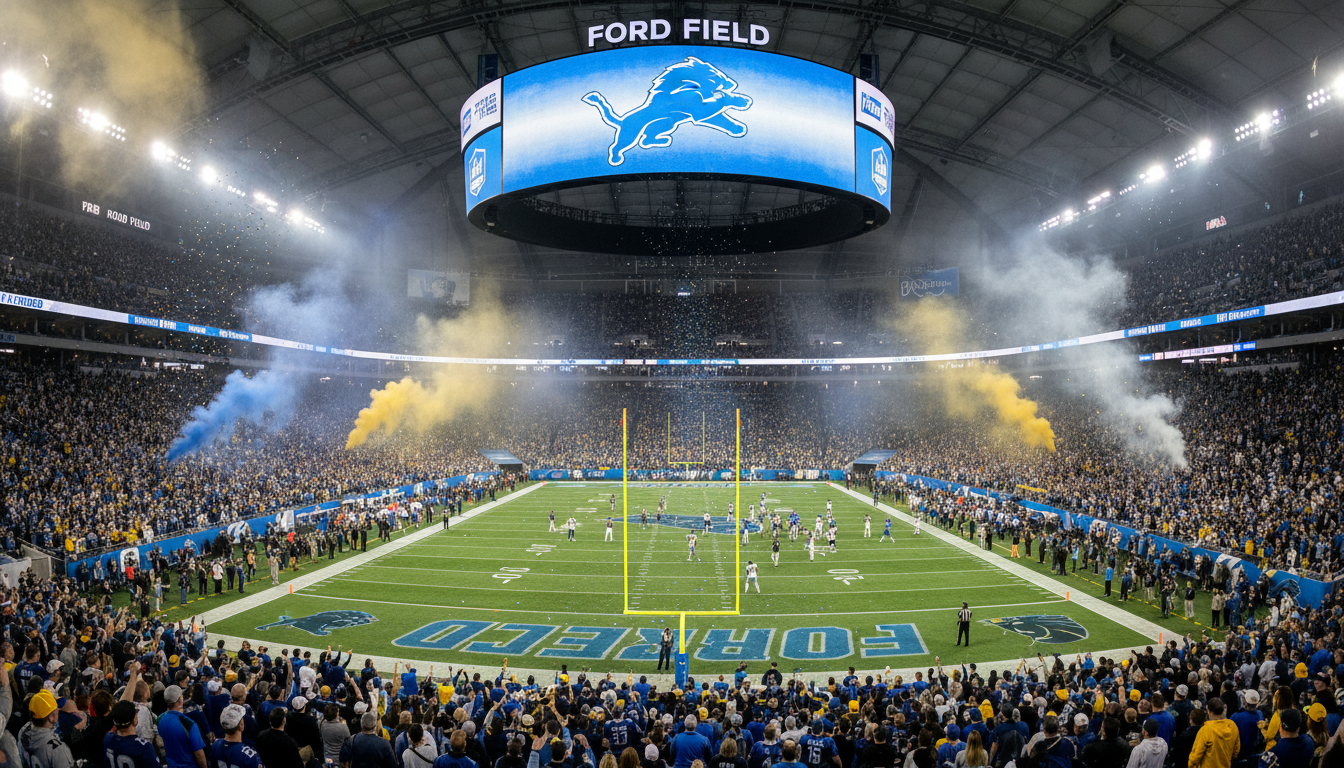
The strategy of mining developmental leagues is not new for Lions General Manager Brad Holmes, but the proximity and success of the Michigan Panthers—who also call Ford Field home—has made the UFL a particularly fertile ground for talent. With several roster spots still potentially up for grabs, the Lions are reportedly prioritizing specialists and defensive depth as they transition from voluntary workouts to mandatory minicamps.
Scouting the United Football League Talent
The UFL, formed by the merger of the XFL and USFL, has served as a high-stakes proving ground for players looking to reignite their NFL dreams. For the Detroit Lions, the focus has largely centered on finding consistent performers who can withstand the rigors of a 17-game NFL schedule. According to reporting from the Detroit Free Press, the Lions have been particularly diligent in monitoring the kicking situation, a position that has seen significant fluctuation in recent years.
Jake Bates, the standout kicker for the Michigan Panthers, has emerged as a primary person of interest. Bates gained national attention early in the UFL season by hitting multiple field goals from beyond 60 yards at Ford Field. While several NFL teams have expressed interest, the Lions’ familiarity with Bates’ performance on their home turf provides a unique scouting advantage. The team’s interest in Bates highlights a broader trend: the Lions are no longer just looking for bodies to fill out a camp roster; they are looking for specific skill sets that can win games.
The Michigan Panthers Connection
The shared residency at Ford Field between the Lions and the Michigan Panthers has created a seamless scouting pipeline. Local fans have already become acquainted with names like edge rusher Breeland Speaks and wide receiver Marcus Simms. According to data from the UFL official website, Speaks led the league in sacks, demonstrating the kind of pass-rushing motor that Lions Head Coach Dan Campbell frequently praises.
Integrating these players into the Detroit system involves more than just looking at statistics. The Lions’ scouting staff has reportedly been present at multiple Panthers games this spring to evaluate player temperament and adaptability. This local connection also benefits the players, many of whom have already established roots in the Detroit metropolitan area, making a potential transition to the Lions’ facility in Allen Park virtually seamless.
Impact on Detroit Lions UFL stars and Local Residents
The potential signing of Detroit Lions UFL stars carries weight beyond the football field. For Detroit residents and sports fans, seeing players move from the Michigan Panthers to the Lions strengthens the local sports ecosystem. It validates the city’s investment in Ford Field as a multi-use venue and provides a clear pathway for professional athletes within the state of Michigan.
Furthermore, the inclusion of UFL talent during training camp often results in more competitive practices. This internal competition is vital for a team like the Lions, who are coming off an NFC Championship appearance and face heightened expectations. For the local community, the success of these players serves as a point of pride. When a player like Khalil Davis—who spent time in developmental leagues before becoming a key rotational piece for the Houston Texans—succeeds, it reinforces the value of perseverance, a trait that resonates deeply with Detroit’s blue-collar identity.
Background & Data on Developmental League Success
Historical data suggests that the leap from a spring league to the NFL is becoming increasingly viable. Last season, over 50 players from the XFL and USFL signed NFL contracts during the summer window. The Lions have previously found success with this model, utilizing players who needed the extra repetitions provided by a spring schedule to refine their technique.
Internal evaluations at DetroitCityNews.com suggest that the Lions’ current roster construction allows for approximately three to five spots to be contested by late-summer additions. You can read more about the team’s initial roster projections in our Lions roster breakdown. By targeting high-performing UFL athletes, the Lions can secure experienced players at a lower salary cap hit, allowing for more flexibility in future veteran acquisitions or contract extensions for core stars.
What Happens Next for the Lions
The NFL’s “offseason program” rules dictate when these UFL players can officially begin practicing with their new clubs. Most UFL standouts are expected to sign contracts in mid-to-late June, just as NFL teams break for their final summer hiatus before training camp begins in late July. For more updates on the team’s moves, check our Detroit sports news updates regularly.
As the Lions eye their first-ever Super Bowl appearance, the addition of a few key contributors from the UFL could be the subtle difference-maker in a long season. Whether it is a record-breaking kicker or a relentless pass rusher, the talent currently flourishing in the spring league is about to get its biggest test yet under the bright lights of the NFL. Detroit fans should keep a close eye on the transaction wire over the coming weeks as the Lions look to finalize their hunt for UFL talent.