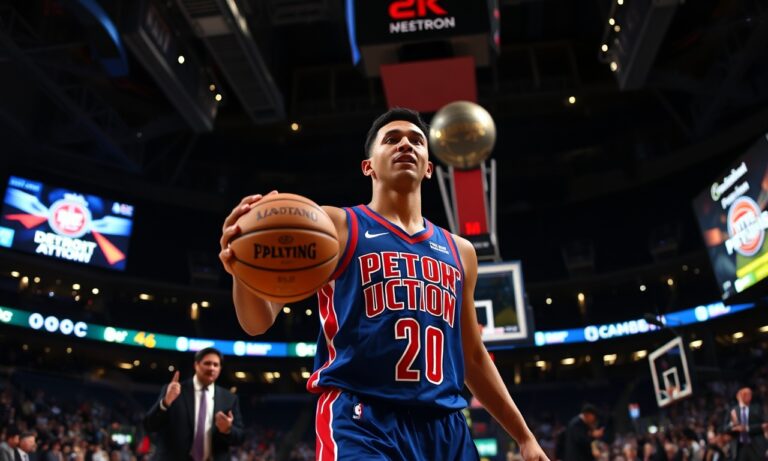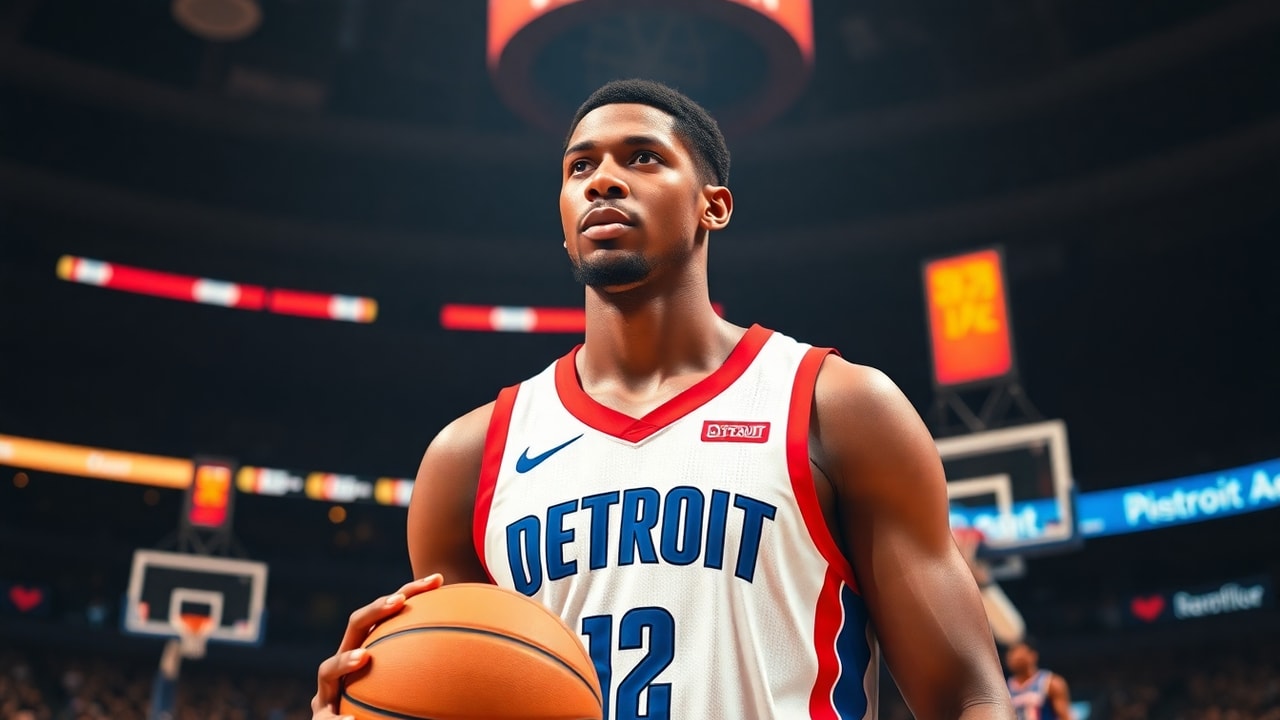
Detroit Pistons fans hoping for a long-term build around Jalen Duren may have to brace for new uncertainty. Multiple NBA rumor reports this week suggest Duren, a young center known for rim pressure and shot-blocking, is exploring a possible sign-and-trade scenario that would allow him to leave the Detroit Pistons while maintaining the framework of an NBA contract transfer.
While the Pistons have not confirmed any intention from Duren to pursue such a move, the speculation is already prompting fresh conversation across Detroit about roster strategy, payroll flexibility, and what “next” could look like for a franchise trying to rebound in the modern NBA economy.
Main Section
According to ESPN reporting on the NBA market landscape, teams that control roster flexibility can use contract mechanisms—such as sign-and-trades—to navigate salary-matching rules and keep negotiations structured as players and clubs talk through outcomes. Duren’s name being linked to that type of deal reflects how competitive and timing-driven NBA roster planning has become, especially for teams trying to balance development with immediate performance goals.
Additional context comes from Basketball-Reference, which maintains contract and transactions histories for NBA players. Its transaction database underscores how sign-and-trades have been used throughout league history to manage salary constraints, suggesting that rumor chatter around Duren isn’t just about player preference—it’s also about how teams can execute a move within the NBA’s collective bargaining framework.
For Detroit, Duren’s potential departure—if it materializes—would not simply be a roster headline. It would affect how the Pistons allocate minutes, how the team values interior defense and rebounding, and how the front office weighs trade-offs between keeping young assets and maximizing organizational leverage.
Why sign-and-trade is central to the rumor
A sign-and-trade is typically structured when a player signs a new contract but is traded to another team as part of the same transaction window. That structure can matter because players under contract are often limited in direct free agency moves depending on their eligibility, timing, and how the salary cap is handled. In practical terms, it can give the original team a pathway to receive assets rather than losing a player outright.
As a result, rumors that Duren is “eyeing” a sign-and-trade exit from Detroit Pistons territory should be interpreted as a negotiation signal: the Pistons could potentially be working through whether they’d prefer an asset return versus keeping Duren, or whether there’s a set of terms that benefits both sides.
Impact on Detroit Residents
Even for fans who follow the NBA primarily for entertainment, Detroit sports decisions often ripple into the wider local ecosystem—tickets, game-night spending, and the brand value of Detroit’s major league franchises.
Data from the U.S. Census Bureau helps illustrate the broader role of consumer spending in large metropolitan areas. While the Census Bureau does not track NBA roster moves directly, its reporting on household spending patterns is a reminder that discretionary spending—like dining, rideshare trips, and event tickets—tends to cluster around major local events. If a star player remains with a franchise, it can influence season expectations and fan demand.
In Detroit, the Pistons’ performance cycles also intersect with local businesses that benefit from consistent home games: restaurants near Little Caesars Arena, parking operators, and retail shops that see spikes on game nights. A rumored departure of a key player can shift fan sentiment quickly, and with it, spending forecasts for vendors that plan around foot traffic.
There’s also a community layer. Detroit sports franchises are often tied to local identity and youth engagement. When rosters change, community programming—such as basketball clinics, school visits, and player appearances—can be affected by how long athletes remain with the club. The Pistons’ players have long been part of the city’s sports culture, and any major shift can change how those relationships evolve.
Background & Data
Duren, who has emerged as a core piece for the Pistons’ frontcourt, represents the type of player a rebuilding team often aims to keep while searching for complementary pieces. For a franchise still establishing a consistent identity, an athletic center with defensive instincts can anchor both defensive schemes and rebounding plans—two elements that typically take time to develop and sustain.
From an operational standpoint, Detroit’s contract strategy is also shaped by the NBA’s salary-cap rules. These rules influence whether teams pursue trades, reserve flexibility for future free agency, or negotiate extensions. According to NBA collective bargaining information summarized by the NBA itself, the league’s cap mechanics and trade restrictions are designed to limit how teams can restructure compensation, which is why sign-and-trade discussions show up in rumor cycles.
On the Detroit news front, the Pistons are not the only major league story where contract timing and business planning matter. City residents have watched similar dynamics in other sports and entertainment sectors—where long-term financial expectations collide with the realities of roster management, sponsorship deals, and event-driven demand.
In other words, a rumor about Duren is not only about basketball. It’s also about the Pistons’ broader business calculus and the future configuration of a franchise that operates within both league rules and Detroit’s sports marketplace.
What Happens Next
At this point, the speculation remains unconfirmed, and Detroit fans should treat the reporting as early-stage rumor until the Pistons or Duren’s representatives make public statements. NBA transactions can change rapidly based on negotiation leverage, other teams’ needs, and how quickly trade targets become available.
Still, there are several signals Detroit residents can watch. First, Pistons roster move patterns—whether Detroit targets established veterans or continues focusing on development—can indicate how serious the front office is about a Duren exit scenario. Second, league-wide rumor timing matters: sign-and-trade discussions often intensify near contract windows when teams need a structured path to finalize deals. Third, any credible reporting about the “why” behind a potential move—such as fit, long-term contract expectations, or mutually agreed negotiation terms—would help clarify what “eyeing” a sign-and-trade actually means.
For now, Detroit remains in a holding pattern. Duren’s presence on the floor has offered stability to the Pistons’ identity, and any shift would require Detroit to recalibrate quickly. Whether the rumor develops into player movement or fades as negotiations evolve, it’s a reminder that NBA roster planning is as much about timing and structure as it is about talent.
As the next rumor cycle and any official communications approach, Detroit sports watchers will be looking for one answer: whether Duren stays the centerpiece of the Pistons’ future—or whether a sign-and-trade exit reshapes the team’s direction.