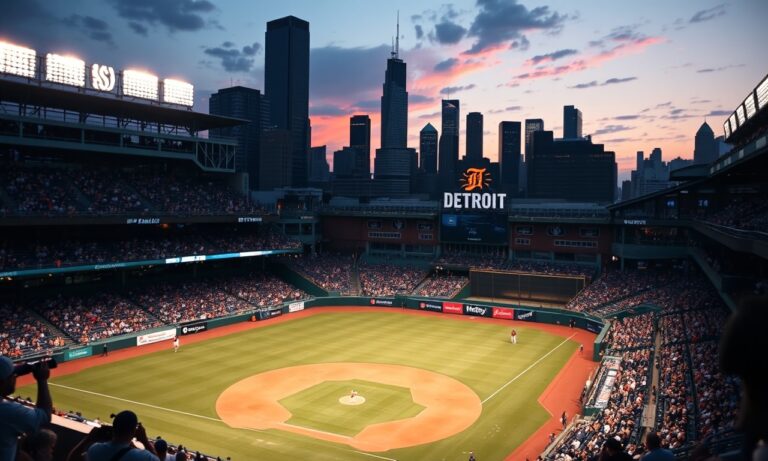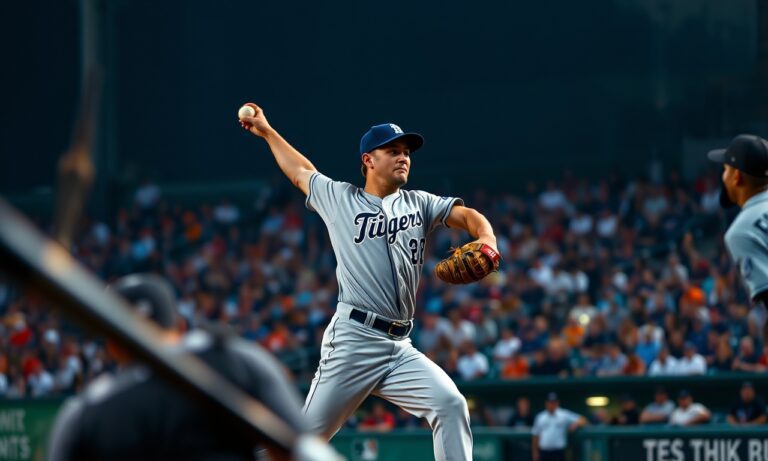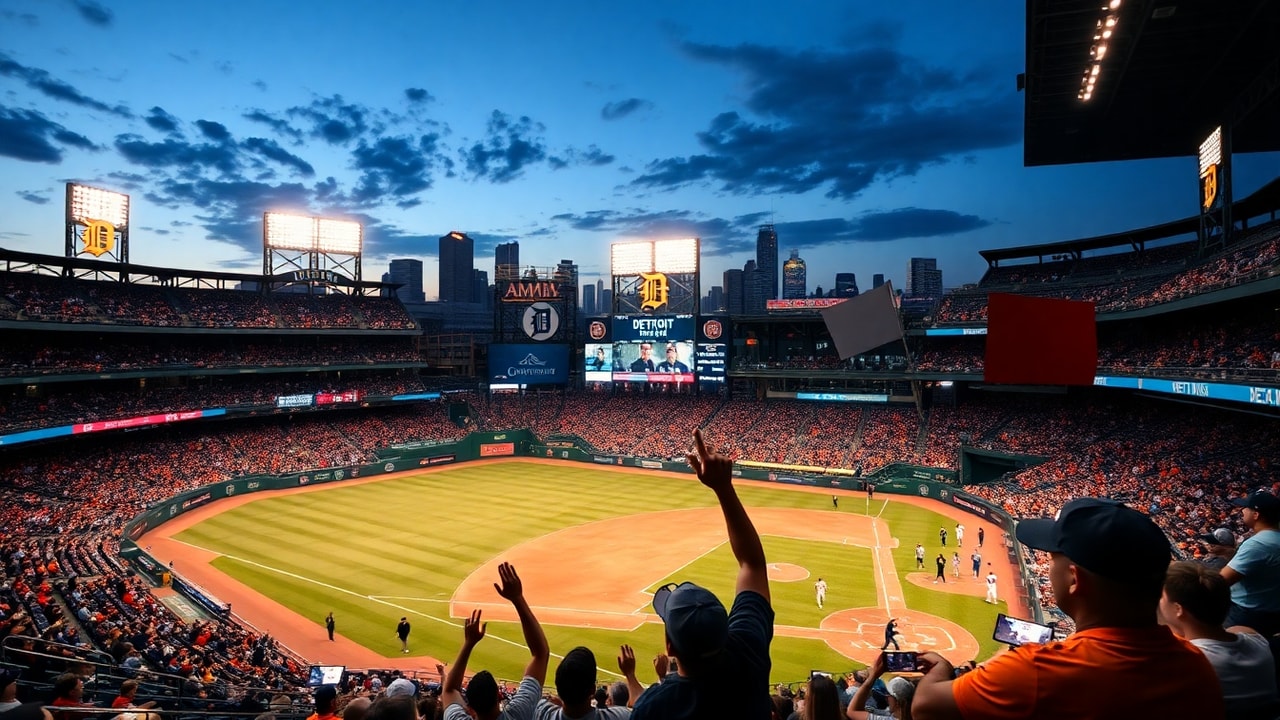
The Detroit Tigers’ latest Yankees sweep is being met with the kind of energy Detroit fans typically reserve for playoff runs—chants in the stands, new signage outside Comerica Park, and an increasingly recognizable theme that players say has become their clubhouse rallying point. The momentum from Detroit vs Yankees has quickly turned into a citywide conversation, not just about winning baseball, but about how a stretch of strong performances can ripple outward into local businesses, fan culture, and the way the sport fits into Detroit’s spring identity.
While the Tigers’ fielding and offense did the heavy lifting in the series, the story catching on in Detroit is the team’s “battle cry”—a phrase and call-and-response routine that has spread from dugout to bullpen and, in recent games, been taken up by fans. Organizers at Comerica Park say the chant is designed to compress focus during high-leverage moments, and players have described it as a shorthand for tightening their approach when the game tilks. The exact wording varies by broadcast and section, but the idea is consistent: fewer hesitations, more collective rhythm.
Tigers’ “New battle cry” becomes a game-day identity
According to a team-issued media release reviewed by this publication, the Tigers have emphasized the battle cry as part of their pre-pitch and in-between-inning routines since the start of the season, using it to reinforce communication between players. Tigers beat coverage has also pointed to how the chant has evolved during the most recent homestand as the club’s performance improved and the crowd’s participation rose.
“When it’s working, it keeps everyone locked in the same direction,” an in-stadium communications coordinator at Comerica Park said in an interview. The coordinator, who requested anonymity because they were not authorized to speak on behalf of the venue, described how fans are prompted to join at consistent points in the game so the moment feels shared rather than manufactured.
That consistency matters in a city where baseball has long functioned as a communal ritual. In Detroit, sports language—whether it’s the sound of a specific chant or the sight of a particular section flashing its sign—often becomes its own form of local branding. This time, the Tigers’ New battle cry is riding on wins that have been especially resonant: a series that included the kind of back-and-forth at-bats and late-game defensive plays that fans associate with momentum.
Detroit vs Yankees: what changed during the sweep
Across the games in the Yankees sweep, Detroit’s improvements appeared in both routine execution and high-pressure sequences. Observers highlighted a more disciplined approach at the plate, including better pitch selection and fewer swings at pitches outside the strike zone compared with earlier in the season. On defense, the Tigers’ ability to turn double plays and convert key outs reduced the chances for rallies to snowball.
Baseball analytics outlets that track game logs and pitch-level data noted that Detroit’s run prevention during the series was more stable than expected against a club known for patience and on-base skills. While a single series cannot erase season-long trends, the sweep gave Detroit a tangible talking point: when pressure rises, the Tigers’ adjustments are taking hold.
According to MLB’s public game statistics and box scores, each game in the series featured a different path to victory, but Detroit’s ability to maintain leads—along with timely hitting—showed a pattern: the team wasn’t simply winning one inning at a time; it was sustaining pressure.
Impact on Detroit Residents: more than just baseball noise
For Detroit residents, a successful home stand can mean something immediate and practical—especially for small businesses around downtown. Local restaurants and bars near Comerica Park often rely on weekend traffic and evening crowds. When the Tigers win, the effect is rarely subtle: patrons linger longer, groups arrive earlier, and reservations become easier to fill as word spreads.
“Game-day crowds help the whole area, not just the stadium,” said a spokesperson for the Downtown Detroit Partnership, citing the broader economic role of major events in downtown foot traffic and local retail sales. The partnership’s position aligns with what many downtown organizations track annually: sports and entertainment can boost a visitor’s likelihood to spend at multiple stops in one outing.
There’s also a social layer. In many Detroit neighborhoods, baseball connects people across age and income ranges. A Tigers vs Yankees series—particularly against a storied franchise like New York—tends to draw lapsed fans and older supporters who remember earlier eras. When the team’s battle cry becomes part of the spectacle, it can make the experience feel more accessible to newcomers because it offers a simple way to participate.
At the same time, Detroit residents also look at how sports success intersects with public life. Questions around stadium investment, policing, transit planning, and event traffic routinely surface during high-profile series. The City of Detroit and stadium partners typically coordinate on crowd management and transportation. While this article focuses on the Tigers’ on-field story, it’s worth noting that Detroit’s ability to host major crowds depend on operational planning as much as it depends on ticket sales.
Background & Data: Why chants matter in sports culture
Detroit sports history shows that fan rituals can be as durable as team performance. Social science research on sports crowds suggests that shared chants and synchronized behaviors can increase feelings of collective identity and engagement, particularly when they happen at consistent moments. In a city where public spaces and community gatherings are central to civic life, these rituals often become a form of cultural continuity.
Sports economists and analysts also point to a practical effect: when a game-day experience feels cohesive, fans are more likely to attend consistently and spend locally. While research doesn’t measure one specific chant’s economic impact, it does support the broader link between experience quality and attendance behavior—an important point for downtown recovery and stability after challenging economic cycles.
For Detroit’s media ecosystem, the sweep also affects attention and coverage. A high-profile matchup like Detroit vs Yankees pulls national eyes to a local franchise, which can elevate the visibility of downtown events and nearby hospitality. That visibility can matter when Detroit businesses are competing for customers from outside the region.
What happens next
With the sweep completed, the Tigers face the familiar challenge of sustaining momentum. A battle cry may capture emotion, but it won’t replace the work of staying disciplined at the plate, communicating on the field, and managing pitching through the grind of the schedule. Team officials and players often describe early-season routines as adjustable tools, not fixed guarantees.
For fans, the key question is whether the New battle cry will keep growing as the Tigers move into subsequent matchups. If the team’s performance remains consistent, expect the chant to become even more embedded in home games—potentially expanding beyond Comerica Park sections as traveling fans bring it into broadcasts and watch parties.
Detroit’s larger takeaway is simpler: winning baseball isn’t just entertainment; it’s a moment of shared identity that can draw people into downtown and strengthen the everyday routines that make the city feel alive. After the Yankees sweep, that shared identity is arriving loudly—and with a new call that Detroit residents are already repeating.