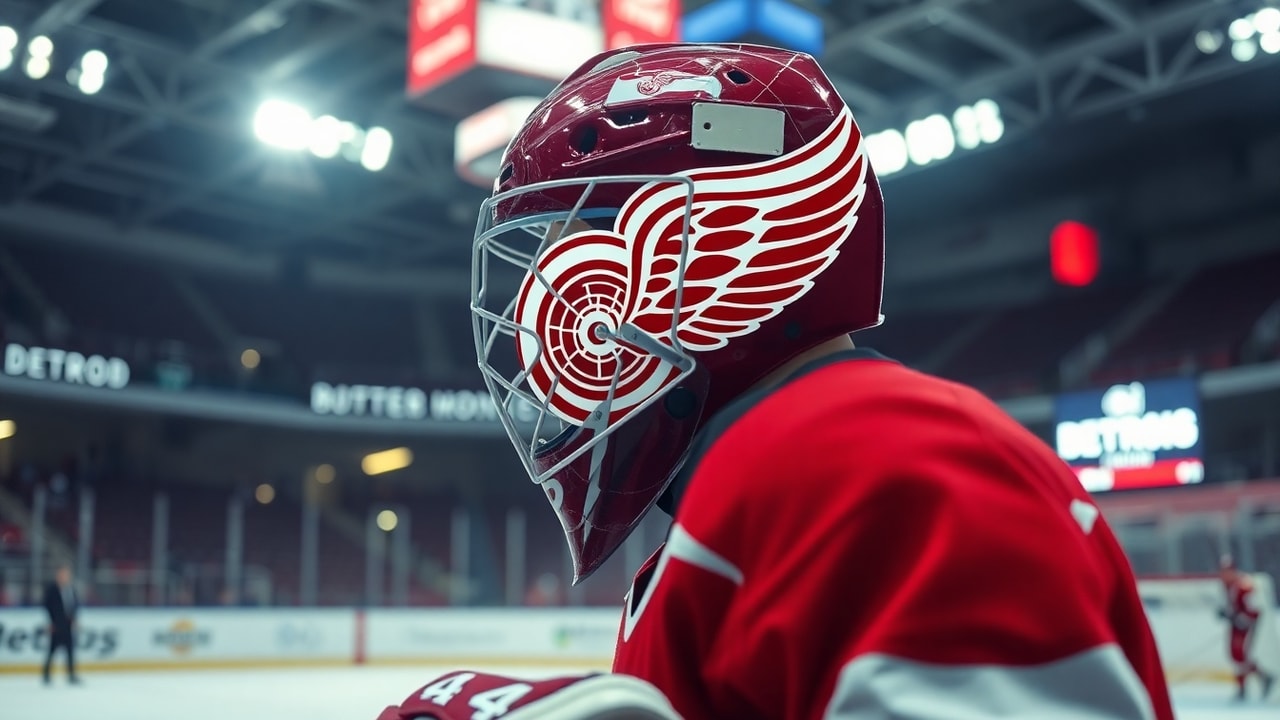
The Detroit Red Wings have added another goalie to their roster as the season progresses, a move aimed at strengthening Red Wings goaltending depth and providing more options between the pipes for the schedule ahead. The team’s latest goalie roster move comes as Detroit continues to balance player health, practice reps, and game readiness for a position where timing and rhythm can be as important as raw talent.
While the Red Wings have not publicly described the decision as a response to a specific injury in every case, the organizational logic is clear: adding a goalie can help manage workload across both the NHL club and its broader development pipeline, ensuring the team has reliable coverage as travel, back-to-backs, and opponent quality intensify.
Main Section
According to NHL communications and standard league roster procedures, teams can adjust depth by recalling or registering goaltenders based on availability, cap and roster constraints, and game-day needs. In practice, Detroit Red Wings additions like this are often designed to keep the organization’s goaltending stable while also giving coaches a closer look at form in real-time—especially during periods when start frequency, travel, and minor ailments can affect performance.
Detroit’s decision also carries a familiar storyline for NHL fans: the franchise has long emphasized goaltending development and depth, and the current roster has featured a mix of experience and younger prospects at various levels. For a team competing in a demanding conference, having the right combination of steadiness and readiness across multiple goalies can reduce volatility over the course of a long season.
As the Red Wings continue to evaluate how their current group performs, the goalie addition becomes more than a one-week adjustment. Goaltenders need consistent preparation—video, timing, and routine—to perform at a high level. With an additional netminder available, Detroit can increase practice flexibility and ensure that whoever is starting the next game is supported with the right support staff and preparation structure.
Why this matters in the standings
In the NHL, goaltending can shift momentum quickly. A team that has adequate depth is better positioned to absorb a rare off-night without losing its overall defensive posture. While Detroit is responsible for limiting high-danger chances, the goalie still plays a decisive role in turning shots into saves and rebounds into safe outcomes.
That is why a move to add goalie is frequently discussed not just in terms of the present game, but as part of a longer strategy to protect performance during congested stretches of the schedule. For fans, the move signals that management is paying attention to the day-to-day requirements of the position, including workload management and continuity of defensive structure.
Impact on Detroit Residents
Detroit sports decisions rarely stay confined to the rink. Even a roster change can ripple outward across the city’s local economy—ticket demand, game-night spending, and watch-party culture in neighborhoods where fans gather for Red Wings coverage. The latest Detroit Red Wings roster update may be small compared to major civic projects, but it reinforces a cultural constant: hockey remains a shared experience for many residents, from downtown to the suburbs.
For local businesses near venues and along common commute routes, game days drive foot traffic. Sports bars and restaurants often rely on busy pregame and intermission windows, and roster news can influence whether fans decide to attend an upcoming contest or host gatherings at home. While the direct link between a goalie roster move and consumer spending can be difficult to quantify, sports marketing researchers and local trade groups commonly note that fan engagement correlates with perceived team readiness and narrative momentum.
For families and youth hockey programs, the move also speaks to a broader message about development and opportunity. Detroit’s hockey culture is built on teaching players that the organization is always preparing—whether it’s a first-round prospect or a veteran providing support. When the club stays active in strengthening Red Wings goaltending, that commitment can resonate with local players who look for pathways through the sport.
Background & Data
Goaltending is a unique position in professional sports because it is simultaneously technical and psychological. A goalie’s performance depends on preparation, communication with defenders, and the ability to respond to unusual shot patterns—factors that can vary from opponent to opponent and from one game to the next.
Data and analysis from established hockey research outlets frequently emphasize that save percentage and goals-against results are influenced by both individual execution and team defense. That is one reason why NHL teams often seek depth: even if the team’s defensive system is strong, goaltenders face unpredictable shot types and traffic in front of the net.
From a league-wide perspective, roster adjustments are governed by NHL rules and procedures around call-ups, waivers, and eligibility. Detroit’s goalie addition reflects the reality that maintaining goaltending depth isn’t only about talent—it’s also about compliance, timing, and the operational needs of an NHL club over a season.
For Detroit residents who want additional context on how this fits into broader sports and community patterns, local sports coverage also notes that Detroit’s hockey identity is built on consistent competitiveness. That includes management decisions that keep the team prepared across multiple phases of the season.
What Happens Next
The immediate effect of the move is likely to show up in practice and game-day preparation. With an extra netminder available, Detroit’s coaching staff can distribute reps, evaluate decision-making under pressure, and adjust warmup routines based on which goalie is expected to start.
Over the coming weeks, the team’s next decisions will probably focus on two areas: (1) which goalie configuration best supports the defensive game plan, and (2) how to manage the start schedule so performance remains stable during high-leverage matchups.
For fans tracking NHL news Detroit, the simplest way to gauge the move’s success will be to watch whether the Red Wings maintain defensive consistency while allowing fewer high-quality chances—or, when chances do come, whether saves and rebound control improve. If the added goalie contributes positively, the organization may treat the move as part of a broader depth strategy rather than a short-term patch.
In the meantime, Detroit will continue to balance the emotional aspect of roster changes—what they represent for team confidence—with the practical reality that goaltending depth can decide games. And in a market where hockey is woven into daily life, each adjustment becomes another chapter in how the Detroit Red Wings try to stay ready for whatever the schedule delivers.