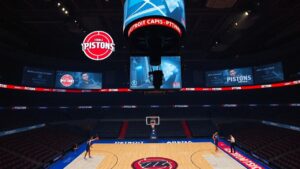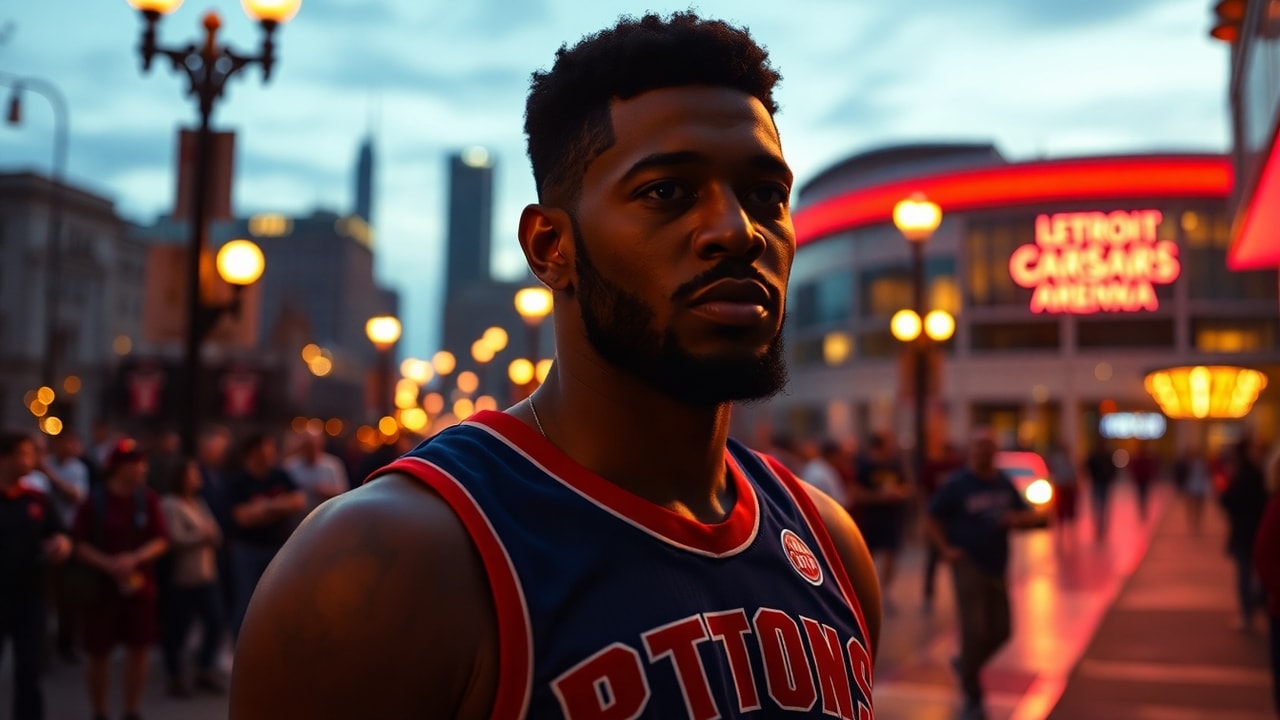
When Tobias Harris suited up for the Detroit Pistons, he became more than a dependable scorer—he turned into a steady presence fans recognized as family in basketball form. Years later, the phrase “Unc legacy” still circulates among Pistons supporters, reflecting the way Harris played with a veteran calm and how he carried himself off the court during Detroit’s rebuild.
While Harris’ NBA path has continued elsewhere, his time in Detroit left an imprint that extends beyond box scores. Fans cite his approach to the game, his professionalism, and his role in bridging young teammates with the expectations of a city that lives and breathes sports. For Detroit residents, that story is part of the broader culture that keeps the franchise’s identity alive—especially as the organization works to maintain relevance in a crowded NBA landscape.
How the “Unc legacy” became part of Detroit’s Pistons identity
Harris arrived in Detroit with a reputation for consistency and two-way effort, and his role quickly became clear: be a stabilizer. According to NBA Stats, Detroit’s official matchup data show Harris logged significant minutes and contributed across seasons during his Pistons tenure, a fact fans often connect to what they remember as “never forcing it.”
Detroit’s sports culture places a high value on accountability—players who show up prepared, communicate, and treat teammates as part of a long-term effort. That’s the sentiment behind the “Unc legacy,” a shorthand fans use to describe leadership that feels approachable, not performative. In Detroit, where the Pistons fan base is defined by loyalty through both peaks and rebuilds, veteran steadiness carries weight.
“When you think about the Pistons, you also think about the kinds of players who keep the team grounded,” said one longtime Pistons season-ticket holder, speaking generally about what Detroit fans tend to value in players who spend meaningful time with the franchise. That preference—grounded leadership—helps explain why memories of Harris continue to surface in conversation.
Local impact: what Detroit fans credit to Harris’ presence
In a city where sports teams act as social anchors, the influence of players can be felt well beyond Detroit Pistons games. The Pistons organization has long emphasized community engagement, and Harris’ Detroit years fit into a broader pattern of players supporting local programming.
According to Pistons reports about community initiatives, the franchise works with local partners on youth basketball and educational opportunities. While those programs aren’t tied to a single athlete, Harris’ tenure coincided with continued efforts to connect professional sports with neighborhood-level youth development. That matters in a city still balancing access to recreation spaces, tutoring, and mentorship.
Local observers also point to the symbolic value of stability. In Detroit sports, the franchise’s ability to draft, develop, and retain leaders often shapes fan patience. Harris served as a recognizable example of how a player can be both competitive and measured—qualities that resonated with fans who had watched the roster cycle through change.
“Detroit audiences are used to effort and resilience,” said a community sports advocate who follows youth athletics in Metro Detroit. “When a player brings a consistent, mature approach, it’s something kids notice.”
Background & data: Detroit’s NBA moment and the role of veteran leadership
The NBA landscape has changed dramatically in the past decade, with more emphasis on perimeter creation, spacing, and analytics. Yet even as basketball tactics evolve, veteran leadership remains a practical need for young rosters learning how to win consistently.
Data from the U.S. Census Bureau underscores why mentorship and stable role models are especially important for cities like Detroit. Census Bureau demographic reporting and local planning documents show persistent differences in income and access to opportunity across neighborhoods. For residents, that context translates into a high demand for programs that provide structured coaching, safe activity spaces, and guidance on education and employment pathways.
Basketball is not a substitute for public services, but organized sports can help fill gaps by offering routine and measurable skill-building. That’s part of why Detroit fans remember specific players and not just teams. Harris’ reputation as a steady, coachable presence fits with how Detroit residents often describe the qualities that help youth succeed: discipline, reliability, and the ability to collaborate under pressure.
When discussing Tobias Harris, fans often point to a familiar Detroit sports principle: do the fundamentals, protect the team, and keep standards clear. The “Unc legacy” phrase captures that idea—an approachable leadership style grounded in work ethic rather than hype.
Where the Pistons legacy goes next
Harris is no longer running Detroit plays, but the question many Detroit residents ask is how the franchise preserves its identity as players change. The Pistons continue to build around younger talent, and veteran leadership—whether from current players, coaches, or mentors—will remain essential for translating potential into postseason results.
There is also an economic and cultural layer to this conversation. In cities where sports anchors community attention, maintaining a strong connection between the team and local neighborhoods helps protect the franchise’s long-term standing. That is not only about winning; it’s about sustaining trust and participation.
For Pistons supporters, remembering Harris is a way of holding the organization to a standard: the team should value maturity and effort in addition to talent. That memory becomes part of what fans expect from the next “Unc” figure—someone who can guide younger teammates while keeping Detroit’s competitive spirit intact.
Detroit sports reminder: legacy is built over time
To many fans, the “Unc legacy” is less about nostalgia and more about recognition. Detroit Pistons history is full of players who helped shape the team’s character during transitional eras. Tobias Harris stands out in that lineup because his Detroit tenure aligned with the kind of veteran steadiness fans say they want the most: leadership you can feel during the hard moments, not just in highlights.
As the NBA season cycles forward, the Pistons legacy continues to be debated in living rooms, barbershops, and local gyms. And for Detroit residents, that debate isn’t only about one player—it’s about what kind of franchise they believe the city deserves.
Note: This story focuses on Detroit’s community and cultural connections to Tobias Harris’ Pistons tenure. Fans’ “Unc legacy” language reflects commonly shared impressions; readers may hear it described differently across communities.