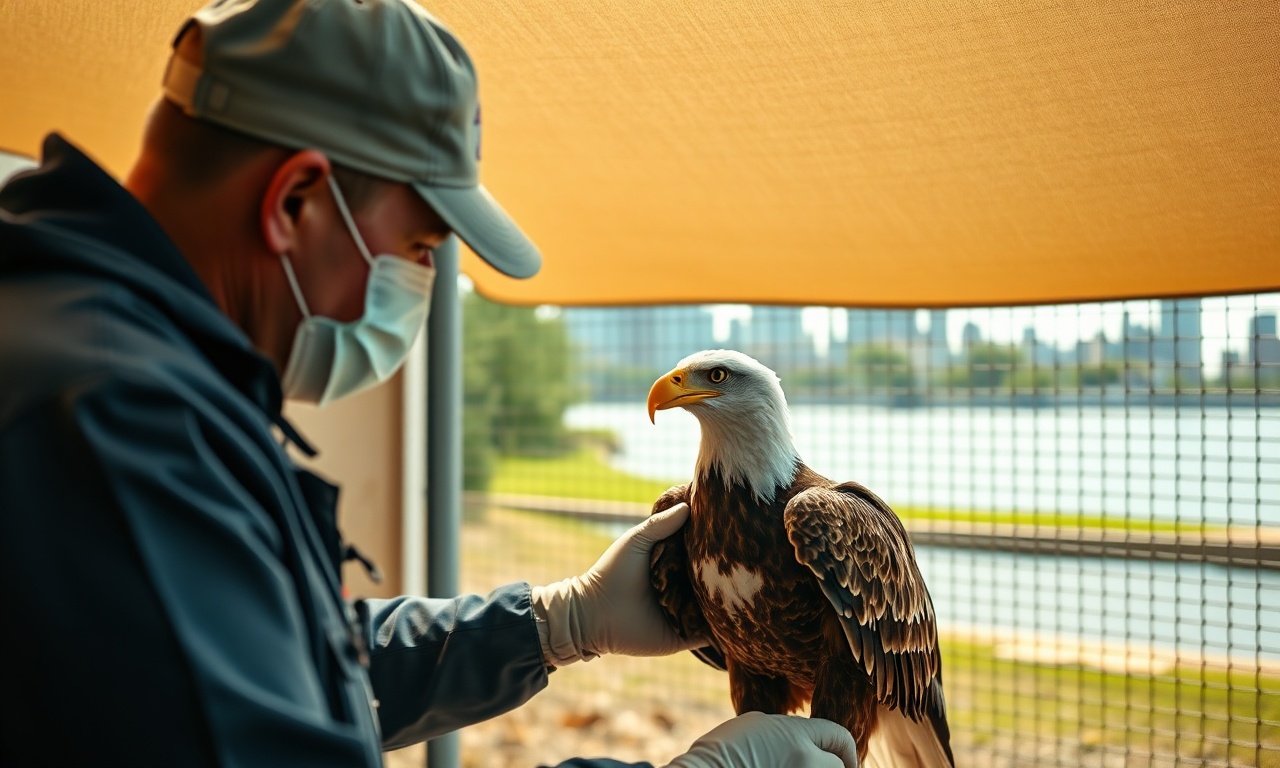
A bald eagle rescued from the Detroit River is recovering after responders responded to a wildlife call surge tied to summer heat, according to local animal welfare officials. The incident highlights how extreme temperatures can push both birds and other wildlife into unusual, sometimes dangerous situations near the waterway.
The eagle was brought in after being spotted by members of the public in the Detroit River area, where rescue teams and wildlife handlers coordinated transport and medical evaluation. Officials said warm-weather conditions can reduce normal foraging and water access for some animals, increasing the likelihood that residents and birds cross paths in areas where people are also present.
Detroit River rescue team responds as temperatures climb
In the latest Detroit River rescue, the bird was reported by a caller during a period of high heat, officials said. The call came in as wildlife organizations across the region noted a pattern: when temperatures rise, more animals seek cooler water or safer shelter, and those movements can lead them to become stranded, weakened, or visible in areas where they typically would not be.
“Heat can change wildlife behavior quickly, including where animals choose to rest and how they interact with the environment,” said a representative for a local wildlife support organization involved in the intake process. “We urge people to keep observing from a distance and contact trained responders so the animal receives the right care without delay.”
Officials with a Michigan-based wildlife rehabilitation partner said the animal’s condition was assessed upon arrival and that it was stabilized before being moved to the next stage of care. While specific medical findings were not publicly released in detail, responders emphasized that rapid action—especially during periods of extreme weather—can significantly improve outcomes for injured or stressed raptors.
According to the U.S. Environmental Protection Agency, heat waves are a growing concern for both people and animals, particularly when they coincide with drought or other stressors that affect water availability. While the EPA does not track individual rescue cases, it notes that higher temperatures can compound the strain on wildlife through heat stress and reduced habitat stability.
Detroit wildlife handlers say recovery hinges on safe, cool rest
Animal welfare staff involved in the bald eagle recovery process said the focus in the early hours is reducing stress, keeping the bird warm when needed but not overheated, and monitoring breathing and overall strength. Raptors like bald eagles are often sensitive to disturbance, and handlers typically limit handling and noise during stabilization.
“The first step is making sure the animal can rest and recover properly,” said a Michigan wildlife rehabilitation specialist who works with injured raptors, according to a statement provided by the organization’s public communications team. “For birds that arrive during hot weather, we pay close attention to hydration, lethargy, and any signs of trauma so we can determine whether the bird can be rehabilitated or needs longer care.”
In many cases, intake and triage happen quickly after the call is logged. Responders coordinate among the public, wildlife hotlines, and trained rehabilitators to avoid well-intentioned missteps, including attempts to transport wildlife without proper guidance or bringing wild birds into household settings where they can experience additional stress.
Heat driving wildlife calls in metro Detroit
Rescue organizations have increasingly described a wildlife call surge heat dynamic during summer. When temperatures rise, birds and mammals may move toward rivers, lakes, shaded areas, and human-adjacent green spaces. In urban settings like Detroit, that can translate into more sightings and more calls—from people reporting birds on roadways, grounded in yards, or showing signs of distress near the waterfront.
Michigan’s network of wildlife services and rehabilitators relies on public reporting and careful coordination. The city and county do not usually provide wildlife rehabilitation directly, so most cases depend on partnerships among wildlife hotlines, nonprofit rehabilitators, and municipal animal services when a situation intersects with public safety.
Residents are often asked to distinguish between a bird that appears exhausted and one that is truly injured. A grounded animal could be stunned after a collision, dehydrated, or temporarily unable to fly due to stress—yet it may also recover if left undisturbed long enough and if temperatures moderate. In the Detroit River corridor, however, there is an added factor: moving water, shipping activity, and human traffic can make delays risky.
Impact on Detroit Residents
For Detroit residents, the incident serves as a practical reminder of how summer conditions affect local wildlife—and how reporting can connect people to trained care. When a bald eagle appears near city waterways, it can draw attention from birdwatchers and families. But officials say the correct response is not to approach or attempt rescue without guidance.
During periods of extreme heat, wildlife recovery becomes more time-sensitive. Heat stress can accelerate dehydration, weaken animals, and worsen minor injuries. That reality can increase the workload on local Michigan wildlife rescue groups and wildlife hotlines, especially when multiple reports come in over the same hot stretch.
Municipal public safety concerns also intersect with wildlife incidents. The Detroit River is a busy corridor, and grounded wildlife can create hazards for drivers, pedestrians, and cyclists. Responders often work to ensure that the animal is handled safely and that people are not placed in danger while trying to help.
Finally, the recovery of a species associated with the Great Lakes region offers a broader connection to Detroit’s environmental identity. Bald eagles are indicators of ecosystem health, and public interest in their wellbeing can support community awareness about clean waterways and responsible shoreline practices.
Background & Data: Why heat can bring wildlife closer to people
Heat waves can affect animals through multiple pathways: dehydration, reduced prey availability, and changes in where wildlife seeks shelter and water. Wildlife experts note that birds may adjust their behavior during hot periods, including seeking cooler microclimates or resting near bodies of water longer than usual. In urban environments, those movements can increase the likelihood of encountering roads, construction sites, or active waterfront areas.
Public health and environmental agencies have repeatedly urged preparedness during extreme temperatures. The same conditions that raise human heat risk can also stress wildlife and reduce an animal’s ability to move effectively—especially if the animal already faces additional pressures such as habitat disruption or injury from collisions.
Although each rescue is unique, the Detroit River rescue aligns with a broader seasonal pattern seen in many regions: summer heat can increase wildlife distress calls, particularly for birds and other animals that rely on stable access to water and safe perches.
What happens next for the bald eagle
Responders said the eagle’s next steps involve continued monitoring during bald eagle recovery, including evaluation of physical condition and readiness for rehabilitation. Many raptors must demonstrate improvements in strength and coordination before any return to the wild. Rehabilitation can include specialized diets, controlled environmental conditions, and periodic assessments to ensure the bird can hunt, fly, and survive independently.
Officials also noted that recovery timelines vary depending on the cause of the initial distress. The bird may require further care if any underlying injuries are discovered after stabilization. Until that process is complete, rehab teams typically avoid overpromising on release dates.
For Detroit residents who spot wildlife in distress during periods of hot weather, organizations recommend contacting trained responders rather than attempting personal capture or transport. Calls help route cases to the right facility and can prevent additional harm caused by incorrect handling.
As the eagle continues to recover, the case is expected to remain a local example of how public awareness and coordinated care can help wildlife endure the harshest weather conditions—especially near the Detroit River.