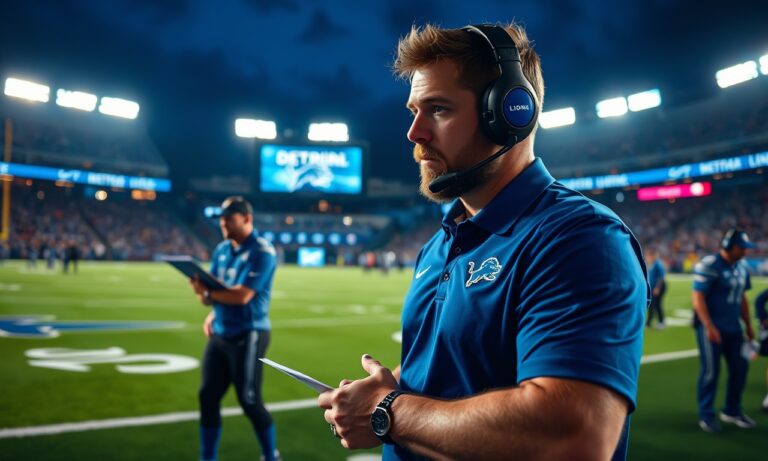
DETROIT — A prominent voice in inside NFL analysis is pushing back on the Detroit Lions’ reported interest in extending linebacker Jack Campbell, arguing that the timing and structure of a linebacker contract could affect Detroit defense flexibility as the team manages multiple salary-cap priorities.
While the Lions have built stability around key contributors on both lines, the question now is whether Campbell—an every-down run-and-pass option—should be locked into a long-term deal immediately, or whether Detroit should wait to reduce risk tied to production projections and positional market pricing.
The discussion comes as the Lions continue evaluating how to balance player development with the realities of the current NFL labor market. For Detroit fans, the implications reach beyond roster headlines: an extension can reshape cap space, alter the timing of negotiations for other defenders, and influence how the team approaches free agency and in-season adjustments.
Main Section
In recent commentary, inside NFL analysis writers highlighted that extending a starting linebacker often involves premium valuation because the position touches multiple phases of the defense—gap integrity in the run game and reads in coverage responsibilities. However, critics say the projected value can diverge quickly when coaches’ usage, opponent tendencies, and scheme matchups change.
“When you extend a linebacker early, you’re not just paying for the label,” one NFL personnel analyst told Pro Football Focus in an analysis of contract timing trends, pointing to how performance metrics must be interpreted within play design and role stability. (The outlet’s discussion framed the issue broadly across the league rather than naming a specific Detroit deal.)
Separately, Sports Illustrated has previously discussed how NFL front offices weigh positional scarcity against cap constraints, especially when multiple impact players are nearing contract windows. In those reports, the publication underscored that teams may prefer extensions that align with roster planning cycles and reduce the likelihood of being forced into expensive in-season adjustments.
Campbell’s case is being watched closely because he has emerged as a core component of the Lions’ defensive identity. Detroit’s defense has often leaned on a quarterback-of-the-defense style of linebacker play—staying disciplined in run fits, attacking gaps, and communicating coverage checks. From a football standpoint, that kind of role can justify a contract. But from a business standpoint, analysts argue that the market can quickly outpace the team’s internal valuation if the extension is too front-loaded or if future performance is harder to sustain.
Why the contract debate matters
The Lions’ decision will likely be judged not only on whether Campbell remains productive, but on what an extension does to the rest of Detroit defense planning. The NFL salary cap environment encourages teams to manage decisions across seasons, rather than single-player moves in isolation.
As the NFL continues moving toward more complex defensive packages and a heavier emphasis on speed and matchups, some analysts suggest that teams should consider how they might deploy linebacker roles in the future—especially if scheme shifts lead to different snap counts or coverage assignments. Even when a player stays healthy, snap distribution changes can affect the statistical output that typically drives market value.
Impact on Detroit Residents
For Detroit residents, an NFL extension might sound like a distant sports story, but it fits into a wider local pattern: sports spending and civic pride are tightly interwoven with the city’s identity and media economy. When the Lions make major roster moves, local sports coverage accelerates and local fan engagement often spikes—impacting everything from game-day consumption to community events organized around the team.
On an economic level, the sports sector can ripple into Detroit’s hospitality and retail activity during the season. According to data reported by the U.S. Bureau of Labor Statistics, employment in leisure and hospitality industries can fluctuate with demand patterns that include events and seasonal visitor activity. While the agency does not measure NFL contracts specifically, it provides context for how event-driven demand can influence local work hours across industries tied to sports and entertainment.
For fans, the more immediate impact is emotional and practical: extensions can stabilize the core of the roster, but a less flexible cap picture can affect how the Lions fill needs later—whether through trades, late-summer signings, or extensions for other defensive contributors. Detroit defense supporters may see the move as a signal of long-term commitment, while critics may view it as a potential tradeoff against future depth.
Background & Data
Detroit has treated its defensive identity as a long-term project—drafting and developing players while matching coaching philosophy with talent distribution. That approach means contract windows are rarely isolated; they tend to overlap with other key decisions.
In the broader market, the NFL’s contract structure has evolved toward more guaranteed money in many positions, but front offices still try to preserve flexibility through year-to-year cap management. The league’s financial structure is detailed in the Collective Bargaining Agreement and is monitored annually through resources such as the NFL’s official communications and regular cap reporting from recognized industry outlets. Those frameworks drive why extension timing is such a focal point in sports news Detroit coverage.
From a football perspective, Campbell’s value is rooted in role execution. But for teams, linebacker contracts also need to reflect uncertainty: injuries, changes in scheme fit, and the shifting economics of passing-rate football all influence what an “accurate” extension number looks like before a deal is signed. Critics argue that defenders at certain positions can face volatility in market valuation when their production depends on system alignment.
Detroit’s personnel leadership must also anticipate what happens when other players hit their own negotiation windows. Extensions, restructures, and incentives are all ways front offices manage cap math. When one deal expands a commitment, it can make subsequent deals more constrained—particularly if multiple defenders are close to contract or performance escalators.
What Happens Next
Nothing in these critiques changes the underlying reality that Campbell is integral to the Lions’ defensive plans as currently constructed. Still, the debate signals that negotiations—if and when they occur—will likely involve careful attention to contract structure, including guaranteed money, annual cap hit, and how incentives could be tied to performance.
Here are the next steps fans in Detroit should watch:
1) Signals from the team’s decision-makers: Detroit may clarify priorities through offseason moves, position group extensions, and how quickly it addresses other defenders’ contract timelines.
2) Usage and performance trends: How Campbell is deployed—run fits, coverage responsibilities, and snap count—can influence market valuation and how analysts frame the extension debate.
3) Market comparisons: Analysts typically reference recent linebacker contract benchmarks across the league when judging whether an extension price is high, fair, or risky.
4) Cap flexibility planning: Ultimately, the Lions’ ability to add depth, protect starters, and adjust midseason depends on cap space management, which extensions can either strengthen or complicate.
For now, the conversation around the Detroit Lions’ potential NFL extension for Jack Campbell is serving as a reminder that sports decisions are also financial decisions. As the Lions progress through contract planning, Detroit fans will be watching closely to see whether the team values Campbell’s role enough to pay now—or whether critics are right that waiting and structuring the deal differently could better protect Detroit defense momentum in the seasons ahead.