Detroit-area baseball fans received an update on Wednesday after San Diego Padres right-hander Randy Vasquez was reported as OK after fainting Thursday during a team incident that has since prompted the latest MLB injury update and status monitoring. The news, first circulated through reporting tied to the club’s schedule and personnel moves in Detroit’s region of fan coverage, comes as the Padres continue to manage health and availability across their pitching staff.
According to a game-day update referenced in coverage of the Padres’ preparations, RHP Vasquez OK following the fainting episode and was described as responsive after the incident. The club has not indicated any immediate long-term timeline, and the next steps are expected to include medical evaluation and return-to-play testing consistent with league protocols.
The situation has resonated locally because Detroit’s sports community closely follows MLB storylines—particularly any update involving pitchers who could influence matchups that Detroit audiences watch through regional and national broadcasts. For fans in Metro Detroit, the most immediate question remains whether Vasquez’s episode affects his pitching workload and upcoming starts.
Randy Vasquez OK after fainting Thursday: What the Padres reported
While the Padres’ internal medical process typically begins immediately after any on-field fainting or similar health event, this latest Randy Vasquez update has been framed as reassuring. In reported team notes relayed by baseball outlets, RHP Vasquez OK and is undergoing monitoring after the fainting episode that occurred during Thursday activity.
MLB’s standard handling of player health incidents often includes observation, symptom checks, and assessments tailored to the situation. In this case, the club’s framing—Randy Vasquez OK—suggests the evaluation did not reveal an immediate emergency concern that would force a longer, unconfirmed absence, though the precise diagnosis has not been widely detailed in publicly available reporting.
According to a statement style common in MLB communications, teams generally avoid over-specifying medical details without clearance, particularly when additional testing is needed. That dynamic can leave fans waiting for follow-up information as the pitcher moves through stepwise recovery.
Impact on Detroit residents: why a Padres pitcher update matters locally
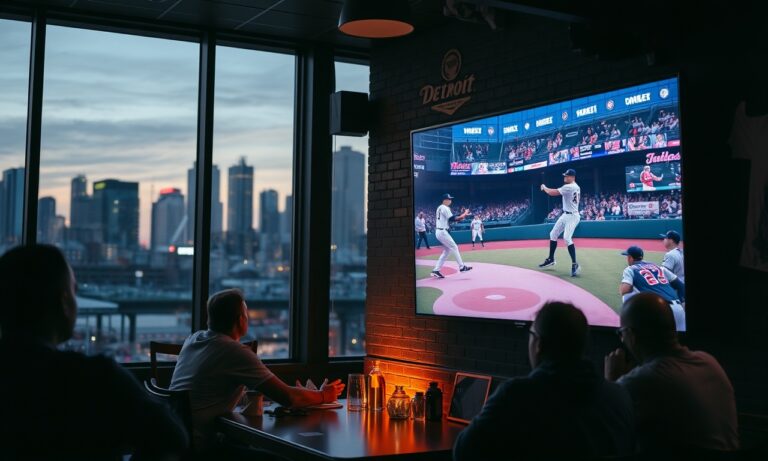
Metro Detroit is home to a large base of MLB followers, including fans who watch multiple teams beyond the Tigers. Pitching news can affect broadcast lineups, national coverage, and even how betting markets and daily fantasy platforms price future performance—factors that can ripple through local sports talk, bars hosting game watch parties, and readers seeking timely updates.
From a practical standpoint, the Padres pitcher monitoring story also connects to the broader sports-health conversation that Detroit residents have engaged with following high-profile athletic health incidents across major leagues. Local sports media and health advocates frequently emphasize that “getting checked” is part of modern athlete care—not only for stars, but for any player with concerning symptoms.
And while the incident itself did not occur in Detroit, the way the story travels matters. News consumers in the region often rely on updates tied to the team schedule, injuries, and rotation changes that can appear on the same platforms that carry Tigers and Detroit-native sports content. When a status update emerges—such as RHP Vasquez OK—it quickly becomes part of the wider MLB information ecosystem Detroit readers check.
Background & data: how MLB handles fainting and health events
Major League Baseball’s approach to health concerns generally emphasizes immediate evaluation and careful staging of return. In broad terms, MLB and affiliated athletic trainers follow established sports-medicine practices used across professional athletics, including monitoring for red-flag symptoms and ensuring players can safely perform at game intensity.
Medical guidance from public health organizations underscores that fainting can involve multiple underlying causes, ranging from dehydration and heat stress to cardiac or neurologic factors. The U.S. National Library of Medicine (MedlinePlus) notes that fainting—also called syncope—can have varied causes and advises that evaluation is important when episodes are unexplained or recur. Similarly, the American College of Sports Medicine has published guidance emphasizing that athletes should not return to play until medical professionals clear them, particularly after episodes that could indicate underlying medical risk.
For fans, that matters because a “player is OK” update may still leave room for cautious timing. Even when a fainting event resolves quickly, return-to-play decisions often depend on test results, hydration status, and whether symptoms point to something that could reoccur under physical stress.
In Wednesday’s circulating coverage, the framing around Randy Vasquez OK appears designed to offer reassurance while leaving the door open to further evaluation—an approach that aligns with how professional leagues communicate health information responsibly.
What happens next: medical clearance, rotation planning, and watch-party ripple effects
The next steps for the Padres pitcher are likely to follow a familiar sequence: medical follow-up, symptom monitoring, and a determination of whether he can resume throwing on the expected timetable. If Vasquez’s episode is followed by additional testing, updates may arrive in stages—first confirming he is stable, then describing whether he has resumed bullpen sessions, and finally whether he can appear in games.
Rotation and bullpen planning could also be affected, especially if the Padres treat the situation as something that requires conservative handling. In MLB, even a short delay can change pitching matchups, alters leverage bullpen usage, and can influence which starters are available for later series—down to how the team structures its weekend plans.
For Detroit residents and visiting fans who track MLB schedules, a key practical marker will be the team’s next transaction and status notes: whether Vasquez is listed as available, limited, or placed on a temporary restriction. Game-day availability reports, beat reporting, and official team communications will typically provide the most reliable answers.
Looking at the Detroit angle: sports coverage, health awareness, and how fans respond
Detroit’s sports culture is defined by active fandom and real-time conversation—whether in online communities, local radio segments, or packed neighborhood bars during national games. Updates like the Randy Vasquez update can quickly shape the conversation, particularly when they involve a health incident that raised concern on Thursday.
At the same time, there is a growing expectation among fans for responsible reporting. Instead of speculation about medical causes, the most constructive coverage focuses on what’s known: that RHP Vasquez OK, that he is being evaluated, and that clearance will guide the timing of a return.
For readers in Metro Detroit, the broader lesson is similar to what the medical community emphasizes: when athletes experience concerning symptoms, professional evaluation matters—and return to competition should come only after appropriate assessment.
Bottom line
As of the latest reporting, Randy Vasquez OK after fainting Thursday and the Padres continue to monitor the situation as part of their medical and performance decision-making. The next publicly available MLB injury update is expected to clarify whether he can resume a normal throwing schedule and, ultimately, whether the Padres will adjust their pitching plans. Detroit fans who follow MLB closely will be watching for those updates as the story moves from immediate incident response to the step-by-step return-to-play process.