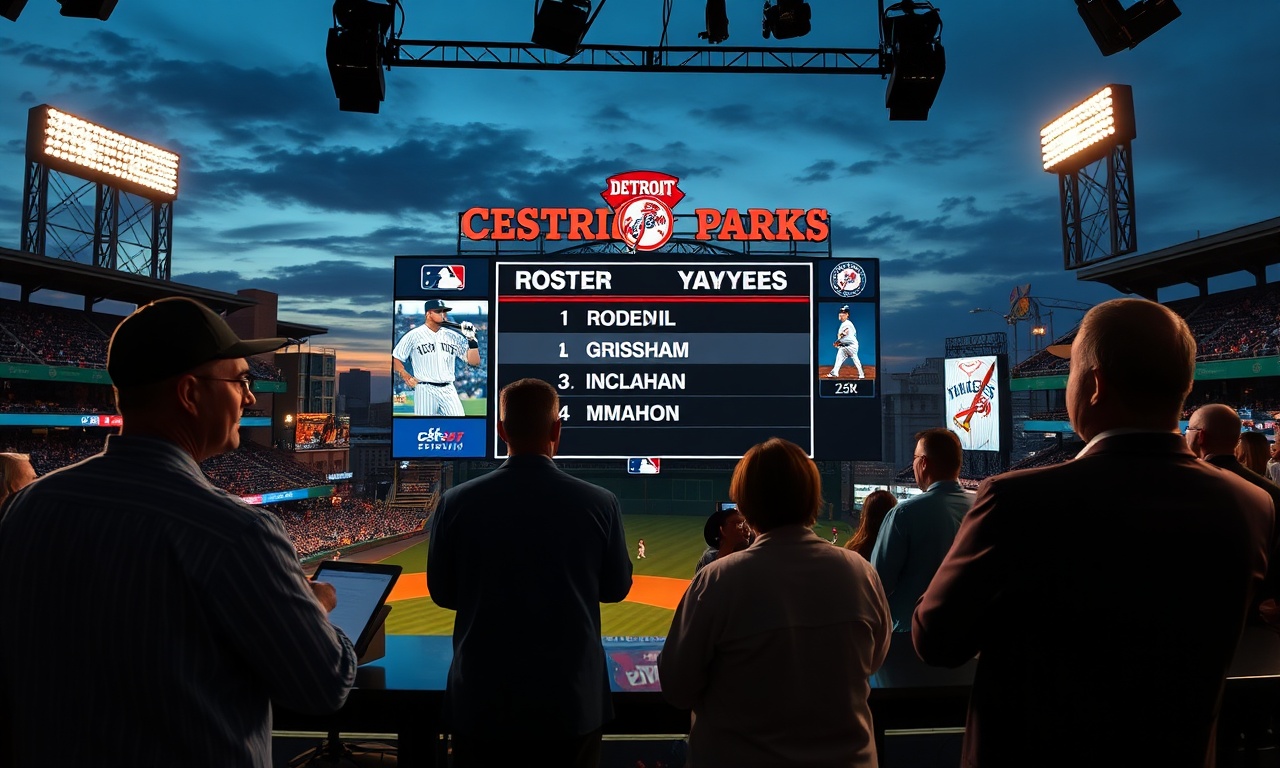
A pair of roster moves out of the New York Yankees’ dugout has a ripple effect for Detroit fans tracking American League matchups, with detroit tigers news turning on the latest Yankees transactions: Carlos Rodon has been placed on the injured list, while Trent Grisham has been reinstated and Ryan McMahon has received a roster move after coming off a back-and-forth period of availability.
While the moves are centered on New York’s roster, Detroit’s baseball community is watching closely because these kinds of IL and reinstatement decisions shape upcoming pitching matchups, lineup regularity and bullpen workload—factors that often decide outcomes in close division races and late-season scheduling.
Yankees transactions: Rodon to IL, Grisham reinstated
According to the MLB Transactions log maintained by MLB.com, Carlos Rodon has been placed on the injured list as part of the club’s continuing management of pitching availability. MLB.com’s transaction tracker reflects the official status changes teams submit to the league.
Alongside Rodon’s move, Trent Grisham has been reinstated to the active roster, giving New York another option for outfield coverage and depth. Reinstatements typically correspond to a player finishing a rehab assignment or meeting a health threshold, which can shift game-by-game roster usage—particularly against teams that value platoon matchups.
New York’s roster has also included a Ryan McMahon roster move, with the club adjusting active roster and depth options. In practice, moves like McMahon’s can affect how often a team starts a preferred lineup configuration—especially on days when manager strategies hinge on left-right matchups or late-inning defensive substitutions.
Impact on Detroit residents: why a Yankees IL update matters in Detroit
For Detroit residents following the sport beyond the Tigers clubhouse, MLB news travels quickly, and these transactions often change what fans can expect from the next wave of interleague and divisional games on regional broadcasts and ticketed schedules.
From a fan perspective, the immediate impact is straightforward: MLB injury update decisions influence who takes the mound and how consistent lineups are week to week. Rodon’s absence can alter New York’s rotation rhythm, potentially changing the quality of pitching opponents face during a stretch when Detroit expects to string together results.
From a local economy standpoint, game-day planning is increasingly tied to predictable schedules. Data from the U.S. Census Bureau shows that a meaningful share of household discretionary spending is sensitive to entertainment categories like sports and live events, and that sensitivity is amplified when matchups draw larger audiences. While these Yankees roster decisions don’t directly change Comerica Park scheduling, they can influence regional interest in future matchups that include Detroit and can affect viewership for Detroit-based media partners.
Main Tigers angle: lineup and pitching domino effects
Detroit fans often focus on their own roster, but the Tigers’ opponents’ health status frequently determines what the Tigers are able to capitalize on. When a high-profile starter is placed on the injured list, teams typically respond by reshuffling rotation spots and bullpen usage. That can lead to more innings for setup relievers or more frequent usage of swingman arms—both of which can be relevant when Detroit is preparing for a series where managers may be looking to exploit fatigue or bullpen preferences.
Likewise, a reinstated player such as Grisham can return to a lineup role that affects batting order construction. Even when a return doesn’t mean an everyday starting spot, it can shift how managers manage pinch-hitting and late-inning defensive strategies—especially if a player’s presence provides a trusted option for specific matchups.
Finally, a Ryan McMahon roster move is the kind of transaction that can quietly influence game flow. Depending on how the Yankees configure their infield and bench roles, Detroit’s scouting and in-game adjustments may need to account for whether New York is prioritizing a certain left-right profile or defensive alignment. Those granular differences are the type of edge that shows up in analytics-driven at-bats later in the season.
Background & data: how injury list decisions get made
Injured list moves are handled through league policy and team medical evaluation, with clubs expected to provide updates about the status of players. The practical details vary by injury type—ranging from timing and rehab progress to whether a player can resume baseball activities. Even so, the public-facing mechanism is consistent: a team designates a player as out for a set period and updates the roster accordingly.
According to the MLB glossary and transaction guidance referenced by MLB.com, reinstatements generally occur once the team confirms the player is ready to return to active status. That confirmation can be based on internal medical evaluation and rehab progress, and it often lines up with roster needs and matchup considerations.
For Detroit audiences, this means the Tigers’ “next opponent” landscape can change quickly. A Rodon IL timeline can re-shape how New York manages pitching workload against American League opponents, while Grisham’s return may affect outfield usage and late-game defensive planning.
What happens next for the Yankees—and what to watch as the Tigers plan
With Rodon now on the injured list, Detroit-based fans can expect the Yankees to continue filling the pitching gap, whether by stretching a current starter, promoting a rotation option from depth, or adjusting bullpen assignments. Those choices can be reflected in who pitches on short rest and which relievers see repeated high-leverage innings.
With Trent Grisham reinstated, the Yankees will likely evaluate how quickly they can restore his role in the batting order and defense. Reinstated players sometimes start with limited usage or matchup-specific starts, particularly if there is a need to protect them from overexertion after a layoff.
And with a Ryan McMahon roster move in play, Detroit observers should watch for whether New York stabilizes its bench and infield depth—or continues to rotate roles based on day-to-day readiness and the opponents on the schedule.
For Tigers fans, the key is to track both official transaction reporting and subsequent lineup announcements. Even when the initial transaction is clear, the manager’s day-to-day decisions determine the real on-field impact. As the schedule moves forward, these Yankees roster changes should be treated as part of the broader MLB injury update landscape that influences upcoming matchups Detroit will face in the American League.