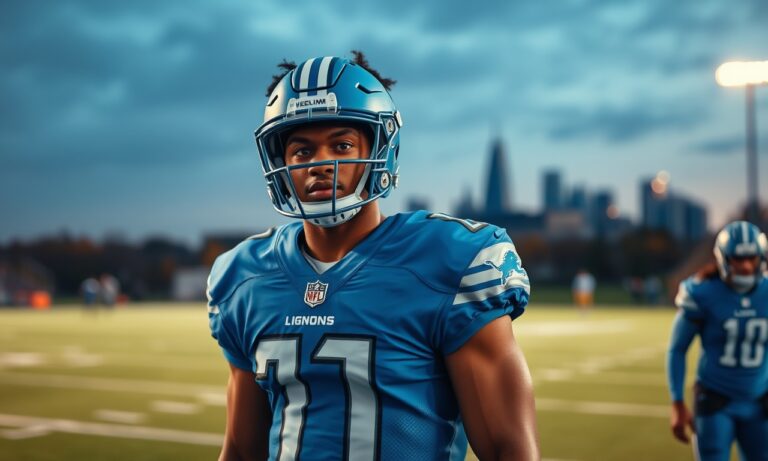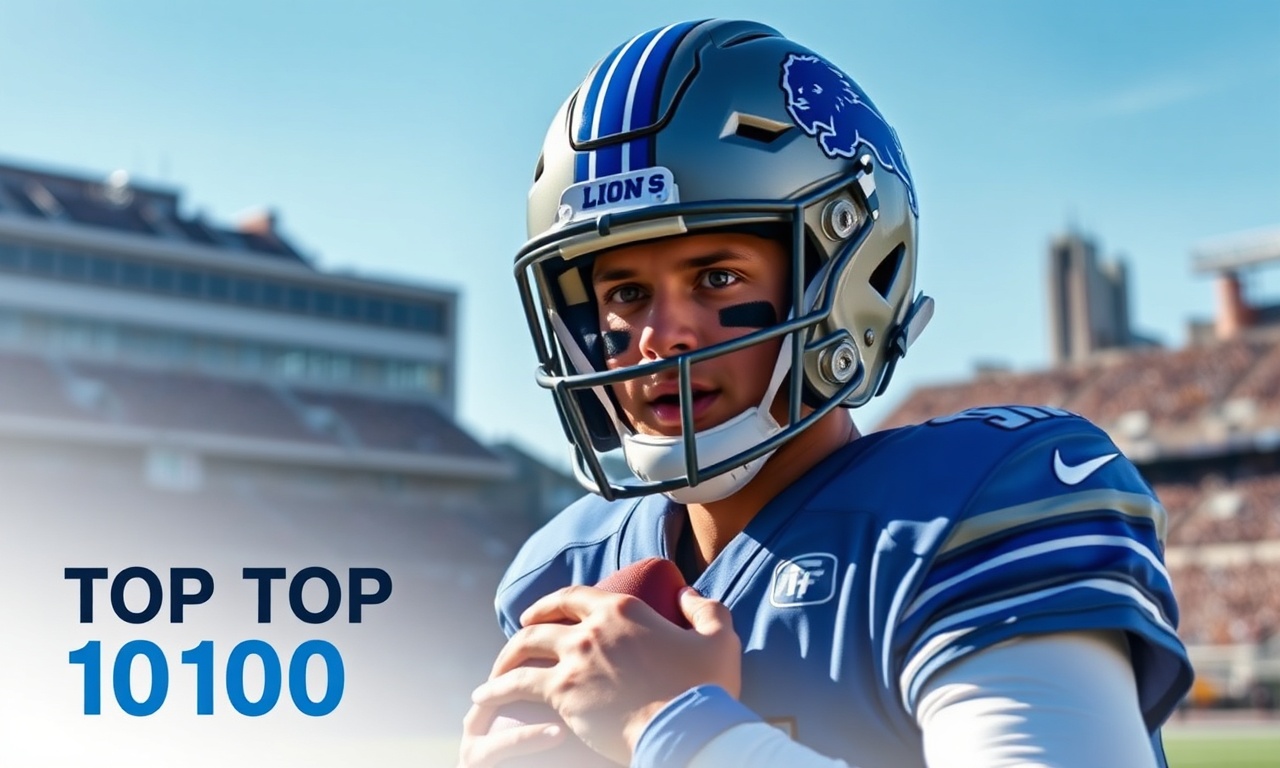
An NFL expert ranking released this week has placed Detroit Lions quarterback Jared Goff among the league’s Top 100 players, adding renewed attention to the Detroit QB as the Lions prepare for the next stretch of the season. The ranking, published by a national football outlet, slots Goff in a tier of starters and playmakers that the publication says remain among the NFL’s most impactful performers regardless of scheme or opponent.
The news arrives as Lions fans look for continued evidence of stability at the quarterback position—especially after a campaign shaped by evolving offensive looks, changing opponent game plans, and the pressure that comes with playing for a division title in the NFC North. For Detroit, the quarterback spot has become more than just a roster storyline; it is a recurring theme in how the city talks sports, media coverage, and game-day culture.
NFL expert ranking: Where Jared Goff lands among Top 100 players
According to the publication’s methodology for its NFL expert ranking, players were evaluated based on recent performance, play-to-play impact, and overall value to a team’s offense—then sorted into a broad list representing the league’s top performers.
While the specific ranking number is part of what makes the list shareable, the larger point for Lions supporters is that Jared Goff continues to be viewed nationally as a high-leverage quarterback—one who can operate an offense reliably and influence outcomes through decision-making, timing, and accuracy.
Local interest in such lists is not new in Detroit. When national media names Lions players among the league’s best, it tends to show up in ticket demand conversations, sports-bar chatter, and coverage across regional outlets that track how the Lions fit into the broader NFL picture.
Impact on Detroit residents: from game-day culture to local sports economy
Sports rankings may seem like strictly entertainment, but in Detroit they can affect day-to-day behavior. When an NFL expert ranking elevates a player’s profile—especially a quarterback—the effect can ripple outward into local spending around Sundays.
According to data from the U.S. Bureau of Labor Statistics, consumer spending on entertainment and recreation is sensitive to major public events, including sports, particularly when games become must-watch matchups. While the agency does not track individual player rankings, its reporting on categories like entertainment spending provides context for why Detroit-area businesses often plan staffing and promotions around high-visibility games.
In practical terms, that can mean:
- Higher foot traffic at restaurants and bars that feature Lions games—especially when quarterback narratives trend nationally.
- Increased media coverage from local outlets and social channels, which can sustain attention during stretches when Detroit’s on-field performance is still being interpreted.
- More community conversation at watch parties, youth sports programming, and local events tied to the Lions brand.
Detroit residents also pay close attention to quarterback evaluations because they help shape offseason expectations. Even when a ranking is not a prediction of future performance, it influences how fans and analysts think about the team’s identity: whether Detroit’s offense is built to execute under pressure and manage game flow.
Why quarterback rankings matter in Detroit’s sports conversation
Quarterback play often becomes a proxy for how a team is doing overall. In Detroit, where the Lions have worked through multiple phases of roster and coaching adjustments in recent years, national quarterback rankings can become a shorthand for whether the current direction is considered stable or still in development.
Jared Goff’s inclusion among Top 100 players is also tied to the idea that quarterback evaluation goes beyond a stat line. Analysts tend to weigh completion % and passing efficiency, but also how a quarterback handles movement, coverage disguises, and third-down conversions. For Detroit fans, those are precisely the moments that determine whether the Lions keep drives alive or stall.
And for the Lions organization, the quarterback position is closely linked to continuity across the roster. According to the NFL Players Association’s published materials on player performance and roster structure, quarterbacks typically sit at the center of how offenses adapt to defenses. While those resources focus on player work and league structure broadly, they underscore how quarterback decisions affect the entire offensive unit’s rhythm.
Put simply: if an NFL expert ranking views Goff as a top-tier quarterback, it reinforces the notion that Detroit’s offensive plan is built around someone who can deliver execution when the game tightens.
Background & data: Detroit’s relationship with NFL visibility
Detroit’s sports culture is shaped by how the city connects major league teams to local identity. The Lions remain a weekly anchor for fans across metro Detroit, and national attention can amplify that connection. When players are highlighted as top performers, it increases their visibility in mainstream sports media—something that can influence how local media prioritize coverage.
In recent years, Detroit’s broader economic reporting has emphasized the role of entertainment and spectator events in supporting local businesses. Data from the U.S. Census Bureau’s economic indicators show that service industries tied to recreation and food service depend heavily on consumer demand. For Detroit residents, that means big league moments often translate into tangible local impact: crowded dining rooms, higher demand for parking and ride services, and more business for staff who work game days.
That local context is one reason Detroit-specific Lions news frequently goes beyond the play itself. The city reads quarterback updates as part of a larger narrative about momentum, competitiveness, and pride—how Detroit is perceived nationally as a sports destination.
What happens next for the Lions and Jared Goff
An NFL expert ranking is not a guarantee of results, and it won’t change game planning overnight. But it can affect how players are talked about as Detroit moves through future matchups and evaluates performance over time.
For Goff and the Lions, the key question remains the same: can they translate national recognition into consistent execution? As opponents adjust, Detroit will need to keep building an offense that can sustain drives, protect the football, and produce points against different defensive looks.
Fans in Detroit will also be watching whether the ranking shifts local conversation in real time—more commentary on quarterback decision-making, more emphasis on passing efficiency and third-down production, and more comparisons to other elite signal-callers in the league.
Whatever the list’s exact ranking number, the takeaway is clear: Jared Goff continues to be treated as one of the NFL’s most valuable quarterbacks, and that perception is now part of the ongoing storyline for Detroit Lions football.
Note: This article is based on a published NFL expert ranking and general context from public economic and league-related sources. For the exact ranking position, readers should consult the outlet’s full Top 100 player list.