Detroit sports fans are watching the latest on Folarin Balogun as the USMNT vs Belgium World Cup matchup approaches. With questions around his availability, the conversation has spread beyond soccer circles into Detroit living rooms, local bars and youth programs—reflecting how closely Michigan’s sports community tracks global tournaments.
While tournament rosters and match-day decisions ultimately come from team staff, the World Cup match status around Balogun has become a key talking point for those following the U.S. team’s progress. For Detroiters, it’s another example of how international sports narratives can quickly land in local Detroit USMNT conversations—especially among fans who follow national team players alongside local athletic pathways.
What the USMNT vs Belgium lineup question means right now
As the U.S. prepares to face Belgium, Balogun’s situation is being treated as a dynamic factor: whether he will start, be used as a substitute, or be held out entirely. The Balogun injury update has drawn attention because coach decisions often pivot on day-of fitness, training minutes, and whether a player can contribute effectively without aggravating an issue.
In the World Cup context, even small changes in a forward’s availability can affect how the U.S. balances pressing, transitions, and finishing chances. For fans trying to understand the USMNT vs Belgium matchup in Detroit, the practical question is less about theory and more about whether the U.S. can maintain its attacking rhythm if Balogun is limited.
According to a match preview published by FIFA, match-day information is frequently shaped by training sessions and official team communications, with squads and lineup decisions finalized close to kickoff. FIFA’s tournament coverage has also emphasized the importance of player readiness in short turnaround schedules—an issue that becomes especially visible during the knockout stage or tightly packed group matches.
Detroit’s angle: why Balogun status feels local
Detroit has its own soccer ecosystem—youth clubs, community leagues, and a growing number of supporters who treat international events as part of the city’s sports calendar. That’s why the Detroit USMNT conversation often accelerates quickly when a player with ties to the community is in the spotlight.
For many in the area, Balogun’s status represents more than a single roster decision. It’s also a signal of how Detroit-based supporters connect to global identity through sport—particularly for families and communities that value soccer’s role in youth development and cultural exchange.
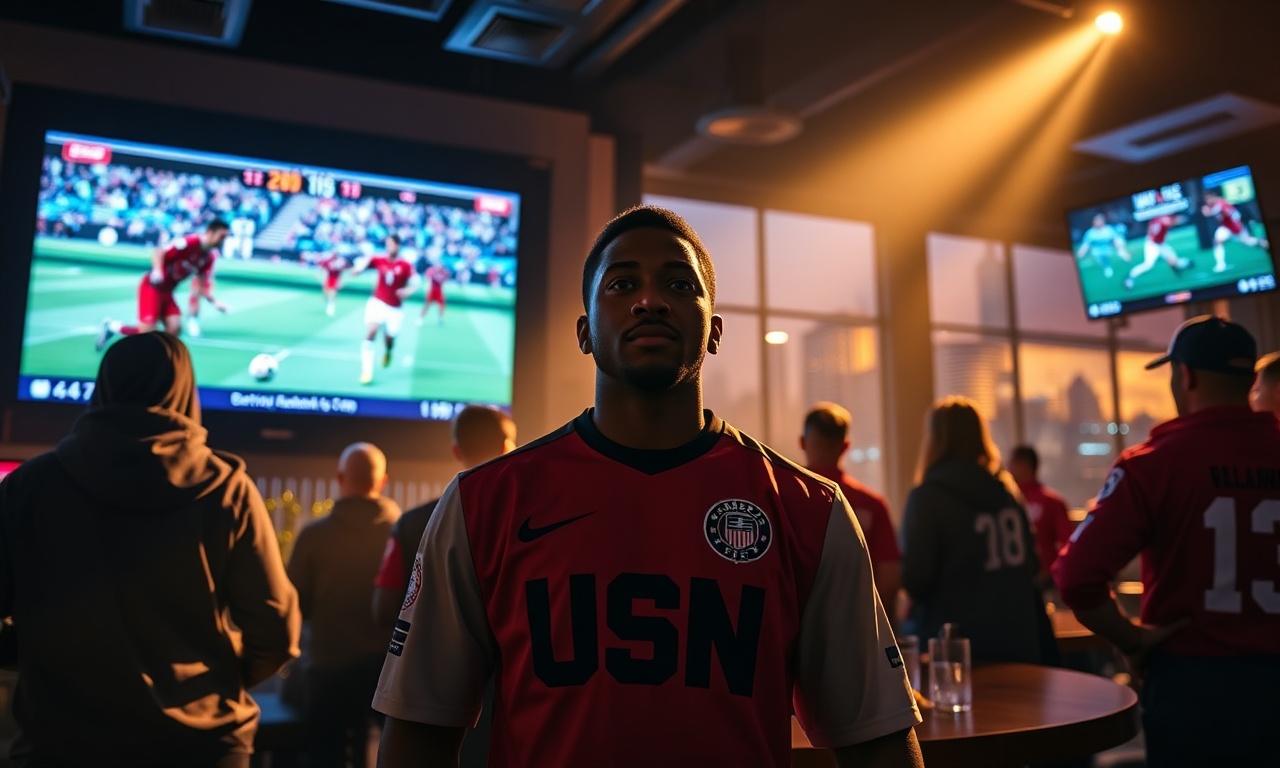
Local interest can show up in predictable ways: packed screens at neighborhood sports bars, group viewing at community centers, and increased engagement on social media among Michigan fans discussing tactics. Even the language changes—people in Detroit may not say “pressing triggers” every day, but they know what a key forward does: drawing defenders, creating space, and finishing chances.
Balogun injury update: what fans can verify
In a tournament setting, the most reliable Balogun injury update comes from official channels and reputable beat reporting tied directly to the national team. Fans are often tempted to rely on indirect signals—social media posts, rumors, or speculative lineup predictions—but teams typically confirm fitness information through press conferences, medical availability reports, and final squad notes.
According to the U.S. Soccer Federation, the national team follows standard protocols for communicating player availability around major competitions, including updates surrounding training participation and match-day readiness. Those official statements may not always provide detailed medical specifics, but they generally clarify whether a player is available or limited.
For Detroiters trying to keep up, the best approach is to check official pre-match communications and reputable sports outlets that report from the team environment. In practice, that means looking for confirmed references to whether a player is “available,” “doubtful,” “out,” or “limited,” rather than relying on vague descriptions.
Impact on Detroit residents: from viewing culture to youth soccer
Even when a match happens thousands of miles away, Detroit’s sports community experiences the ripple effects. When USMNT vs Belgium becomes a pre-match headline, local businesses often see increased foot traffic around kickoff times. Detroit sports bars—especially those with diverse patron bases—tend to attract fans looking for a shared viewing experience when the U.S. is playing on the biggest stage.
For youth soccer programs, player availability can also influence morale and participation. When fans see a forward like Balogun mentioned in match discussions, it reinforces the idea that a path from training, discipline and development can lead to the World Cup—whether through academy systems, collegiate soccer, or other competitive routes.
There’s also an educational component to how the city processes sports news. Detroit’s media audience has become more accustomed to interpreting injury management as part of professional athletics rather than treating every absence as a mystery. Understanding that coaches manage minutes and workloads helps fans place headlines into context rather than reacting emotionally to every update.
Background & data: how international lineups shift outcomes
At World Cup tournaments, coaches have limited time to adjust once a player’s status changes. That’s why World Cup match status questions carry such weight: a forward’s role is often tied to specific game plans, such as pressing in certain zones, working the half-spaces, and exploiting transition moments.
Data from the FIFA technical reporting and match analysis frameworks highlights that effective attacking patterns depend on player positioning and movement. While these frameworks don’t “predict” single games, they do show that consistency in forward roles matters—especially when opponents like Belgium can shift their defensive shape to compress space.
For Detroit fans, the takeaway is simple: if Balogun is fully available, the U.S. can stick more closely to its preferred attacking structure. If he’s limited or out, the U.S. may lean more heavily on alternative forward profiles or adjust how it enters the final third.
What happens next for Detroit fans tracking Balogun
As kickoff approaches, the likely next developments involve final availability announcements and the U.S. team’s lineup confirmation. Watch for:
• Training participation indications (whether Balogun is seen taking part in full sessions)
• Match-day roster confirmations that clarify whether he is in the squad
• Pre-match press briefings from U.S. team staff, which often address availability in plain terms
Detroit supporters can also plan around the media cycle. World Cup match information tends to move quickly in the hours before kickoff, and late changes can happen when a player’s fitness is reassessed.
Ultimately, the Detroit USMNT focus on the USMNT vs Belgium matchup will come down to one thing: the U.S. team’s ability to adapt if Balogun’s status differs from what fans hope. Whether he starts, comes on as a substitute, or is held out, the U.S. will need coordinated attacking support across the forward line and midfield.
For now, Detroit fans are left with a familiar tournament rhythm—refreshing updates, debating potential lineups, and counting down to kickoff—holding onto the most important information that can be confirmed: where Balogun stands and what the U.S. is prepared to do next.