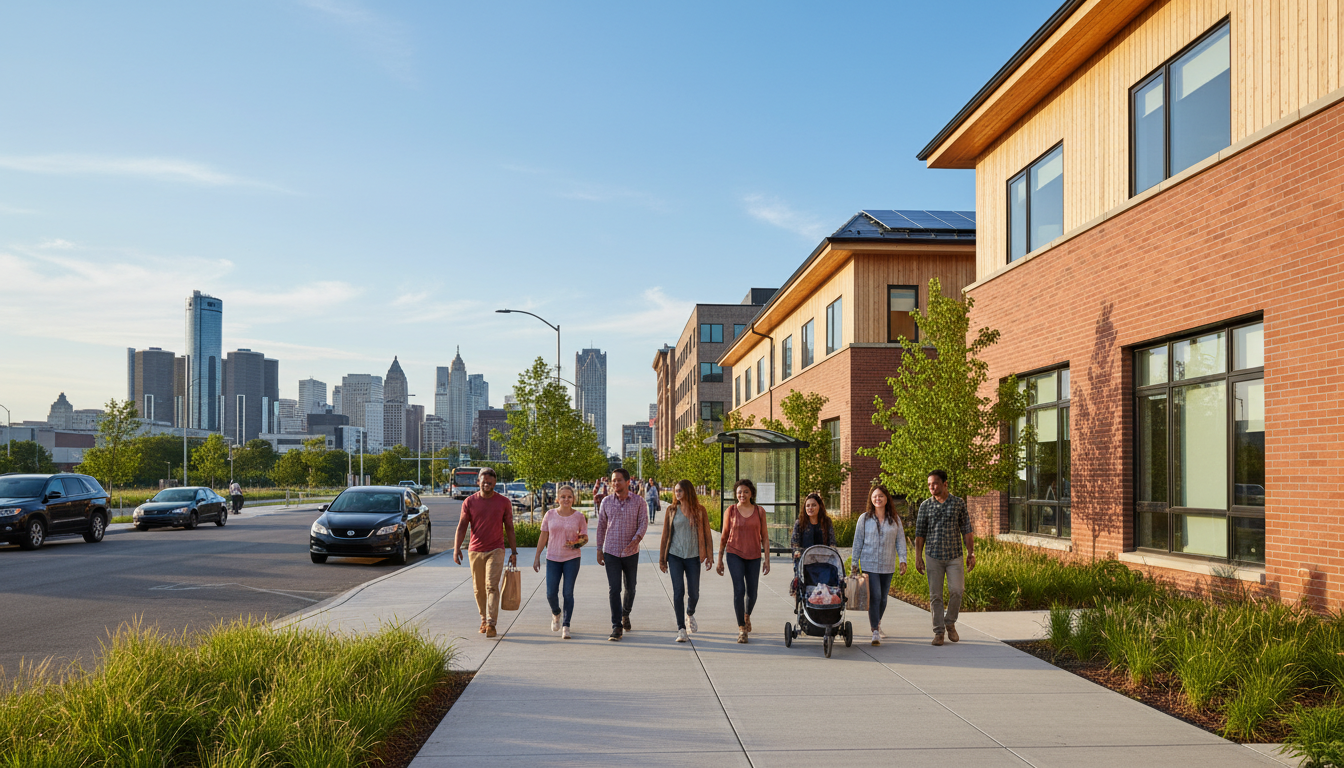
As Detroit moves through 2026, the city’s skyline continues to reflect a dual narrative: a burgeoning downtown core and a neighborhood-level struggle for residential stability. While large-scale commercial developments often dominate the headlines, the most pressing issue for tens of thousands of residents remains the availability and quality of affordable housing in Detroit. The city’s housing landscape has reached a critical juncture where federal subsidies, local policy shifts, and market pressures are colliding.
According to recent reports from the City of Detroit Housing & Revitalization Department, the demand for units priced for those earning 30% to 60% of the Area Median Income (AMI) has outpaced new construction. Despite significant investment over the last five years, many Detroiters continue to spend more than 35% of their gross income on housing costs, a threshold that federal guidelines define as being “rent-burdened.”
The Current State of Rent in Detroit
Data from the U.S. Census Bureau and local market analysts indicates that average rent in Detroit has seen a steady increase of 4.2% annually over the last three years. While Detroit remains one of the more affordable major metropolitan areas in the Midwest compared to Chicago or Minneapolis, the local wage growth has not kept pace with the rising costs of property maintenance, taxes, and insurance. For many long-term residents, finding low cost housing in Detroit that meets safety standards has become increasingly difficult.
“The challenge in 2026 isn’t just about building new units; it’s about preserving the affordability of the units we already have,” a spokesperson for the Michigan State Housing Development Authority (MSHDA) noted in a recent policy briefing. The expiration of long-term affordability covenants on older apartment complexes has forced the city to negotiate extensions with private landlords to prevent mass displacement in neighborhoods like the North End and Hubbard Richard.
Housing Programs Detroit: A Multilayered Approach
To combat these pressures, the city has expanded several housing programs in Detroit designed to incentivize developers to include affordable units in market-rate projects. The Strategic Neighborhood Fund and the Detroit Housing for the Future Fund have been instrumental in pooling private and philanthropic capital to bridge the financing gap that often prevents affordable projects from breaking ground.
These initiatives frequently utilize the Low-Income Housing Tax Credit (LIHTC), which remains the primary tool for creating affordable housing Detroit residents can access. In 2026, the city has prioritized “Deeply Affordable” units—those set aside for individuals making less than $20,000 a year. Recent approvals for developments in the Warrendale and Morningside neighborhoods suggest a strategic shift toward spreading density outside of the Greater Downtown area, as previously discussed in our coverage of Detroit neighborhood development trends.
Impact on Detroit Residents
The impact of the current housing climate is felt most acutely by Detroit’s “missing middle”—the workforce including teachers, healthcare workers, and city employees who earn too much to qualify for traditional subsidies but too little to afford new luxury developments. For these residents, the lack of inventory has led to longer commutes and a reliance on older housing stock that may require significant repairs.
Local community organizers argue that while the numbers look good on paper, the lived experience of residents involves navigating complex waiting lists for Section 8 vouchers and municipal housing assistance. The City of Detroit has responded by launching a centralized housing locator portal, aimed at streamlining the application process for those seeking rent-controlled options. This move follows a broader trend in Detroit’s local economy to digitize essential services for better accessibility.
Economic Hurdles and Construction Costs
Developers operating in Detroit face a unique set of challenges in 2026. While the desire to build is high, the cost of labor and materials remains volatile. According to industry data, the cost of residential construction in Southeast Michigan has risen 15% since 2024, driven by a shortage of skilled trades and global supply chain recalibrations. This makes the development of low cost housing in Detroit a financial puzzle that requires multiple layers of government subsidy to solve.
“Without state and federal intervention, the math simply doesn’t work for affordable housing,” says a representative from the Detroit Housing Commission. “We are seeing a greater reliance on the federal HOME Investment Partnerships Program to cover the rising costs of sustainable building materials and energy-efficient systems which, while more expensive upfront, lower the long-term utility costs for the tenants.”
Future Outlook: What Happens Next?
As we look toward the remainder of 2026 and into 2027, the focus is expected to shift toward permanent supportive housing and the conversion of vacant city-owned land into small-scale multi-family units. The Detroit Land Bank Authority continues to play a pivotal role, transitioning from selling off blighted structures to facilitating the sale of lots for infill housing projects.
The success of these efforts will likely depend on the continuation of federal programs and the city’s ability to maintain a business-friendly environment that also protects tenant rights. For more information on city-led initiatives, residents are encouraged to visit the official City of Detroit Housing and Revitalization website.
While the road to universal housing stability in Detroit is long, the current coordination between the public and private sectors offers a blueprint for resilience. The coming years will determine if Detroit can grow its population without losing the diversity and accessibility that define its character.