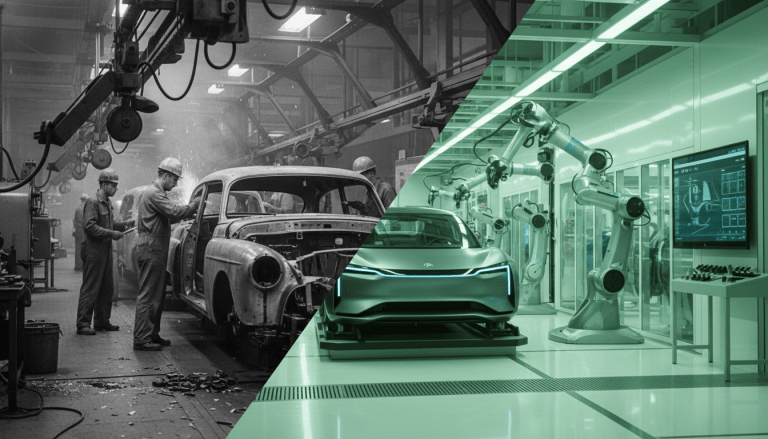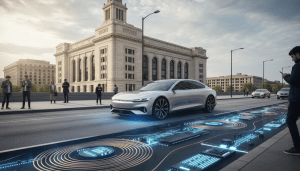


For decades, the biggest threats to Detroit’s automotive dominance were oil crises, foreign competition, and economic recessions. Today, however, the industry faces an invisible adversary that could be just as damaging: cyberattacks. As the “Motor City” transitions into a hub for software-defined vehicles, automotive cybersecurity has emerged as a critical pillar of the local economy and public safety strategy.
Modern vehicles are effectively rolling computers, containing over 100 million lines of code—more than a fighter jet or a modern operating system. With the integration of Bluetooth, Wi-Fi, and 5G connectivity, cars are now part of the Internet of Things (IoT). While this connectivity offers drivers unprecedented convenience, it also opens the door to hackers, ransomware, and data theft. For Detroit’s Big Three—General Motors, Ford, and Stellantis—securing these networks is no longer optional; it is a fundamental requirement for the future of mobility.
The Rising Threat Landscape
The urgency around automotive cybersecurity is driven by real-world risks. According to a 2024 report by Upstream Security, a leading provider of automotive cyber threat intelligence, cyber incidents involving vehicles have risen significantly over the past three years. These threats range from key fob cloning—a common method for stealing high-end vehicles in Metro Detroit—to potentially catastrophic remote hacks that could disable brakes or steering.
“The car is no longer just mechanical; it is a digital node,” said analysts from the National Highway Traffic Safety Administration (NHTSA). The federal agency emphasizes that as vehicle automation increases, the potential attack surface for malicious actors expands.
In response to these vulnerabilities, international regulators have stepped in. The United Nations Regulation No. 155 (UN R155) now mandates that automakers prove they have a certified cybersecurity management system in place before selling vehicles in major markets like Europe and Japan. This regulatory pressure is forcing rapid changes within Detroit’s engineering centers.
How Detroit is Leading the Defense
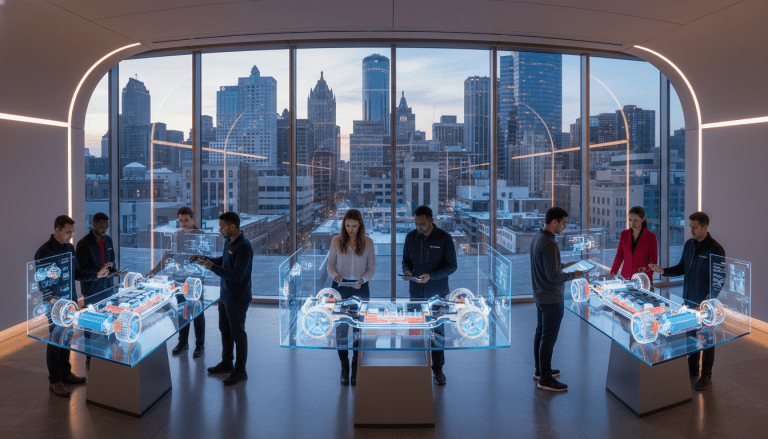
Detroit is rapidly adapting to become a global leader in vehicle security. The region is seeing a convergence of traditional automotive engineering and advanced information security. General Motors, for instance, has significantly expanded its cybersecurity team, employing hackers-for-hire (often called “white hat” hackers) to test their systems for vulnerabilities before criminals can exploit them.
Similarly, Ford Motor Company has integrated strict security-by-design principles into its manufacturing process. This approach ensures that cybersecurity is not an afterthought but is woven into the vehicle’s architecture from the initial blueprint phase. The Detroit auto industry is shifting its hiring practices to reflect this priority, actively recruiting talent that specializes in cryptography, penetration testing, and secure coding.
Local partnerships are also strengthening the defense grid. The Automotive Information Sharing and Analysis Center (Auto-ISAC), which facilitates the sharing of cyber threat information among automakers, operates with a strong presence in the region. This collaborative approach suggests that while companies compete on sales, they are united on security.
Impact on Detroit Residents and Workforce
For the people of Detroit, the boom in automotive cybersecurity brings both opportunities and challenges. On the economic front, it is a significant driver of high-tech employment. As automakers and Tier 1 suppliers establish dedicated security operations centers (SOCs) in Southeast Michigan, the demand for skilled tech workers is skyrocketing.
“We are seeing a migration of tech talent into Detroit specifically for this niche,” note local recruiters. This shift helps diversify the city’s economy beyond traditional manufacturing, potentially insulating the region from future manufacturing downturns. Educational institutions, including Wayne State University and the University of Michigan, are aligning their curricula to feed this growing pipeline of specialized talent, offering degrees and certificates focused on embedded systems security.
However, for residents who own modern vehicles, the issue hits closer to home. The prevalence of high-tech auto theft in Detroit neighborhoods is a direct consequence of security lapses. Thieves using “relay attacks” to amplify key fob signals have made headlines across the city. Strengthening automotive cybersecurity is not just a corporate compliance issue; it is a matter of protecting the personal property of Detroiters.
The Role of Electric Vehicle Infrastructure
The transition to electric vehicles (EVs) adds another layer of complexity. EV charging stations serve as a physical connection point between the vehicle and the power grid. Security experts warn that vulnerabilities in charging infrastructure could theoretically allow hackers to bridge into a vehicle’s system or, conversely, use a fleet of connected vehicles to destabilize the local power grid.
Local utility providers and infrastructure planners in Detroit are working closely with automakers to ensure that the rollout of public charging stations includes robust encryption standards. Securing the “handshake”—the data exchange that happens when a car plugs into a charger—is a top priority for the next phase of infrastructure development.
What Happens Next?
The battle for secure vehicles is ongoing. As artificial intelligence becomes more sophisticated, so too do the methods of cyberattackers. Detroit’s automakers are exploring the use of AI to detect anomalies in vehicle behavior in real-time, effectively giving cars an “immune system” that can fight off infections as they happen.
For consumers, the advice remains vigilant: keep vehicle software updated. Just as one updates a smartphone to patch security holes, over-the-air (OTA) updates for modern cars are essential for maintaining safety. As the industry evolves, Detroit’s ability to master automotive cybersecurity will likely determine whether it retains its title as the automotive capital of the world in the digital age.
For more updates on how technology is reshaping our local economy, visit our section on Jobs, Business, & Startups.