Detroit’s skyline is often the primary focus of national headlines, but a more profound transformation is taking root within the residential blocks of its historic neighborhoods. In a concerted effort to stabilize the local economy and address long-standing inventory shortages, a series of ambitious Detroit housing projects are now underway, aiming to reshape the city’s real estate landscape through comprehensive redevelopment and community-led initiatives.
According to the City of Detroit’s Housing and Revitalization Department, the current strategy focuses on a dual-track approach: preserving existing affordable units while incentivizing new construction in areas that have seen decades of disinvestment. This movement is part of a broader urban renewal strategy intended to ensure that as the city grows, long-term residents are not priced out of their own communities.
Strategic Investment in Community Redevelopment
The backbone of these efforts is the city’s “Housing for Everyone” initiative, a multi-year plan that has already channeled hundreds of millions of dollars into residential development. Data from the City of Detroit indicates that the administration has surpassed its initial goals of preserving 10,000 units of affordable housing, now setting its sights on expanding inventory in high-demand corridors like the North End and Jefferson-Chalmers.
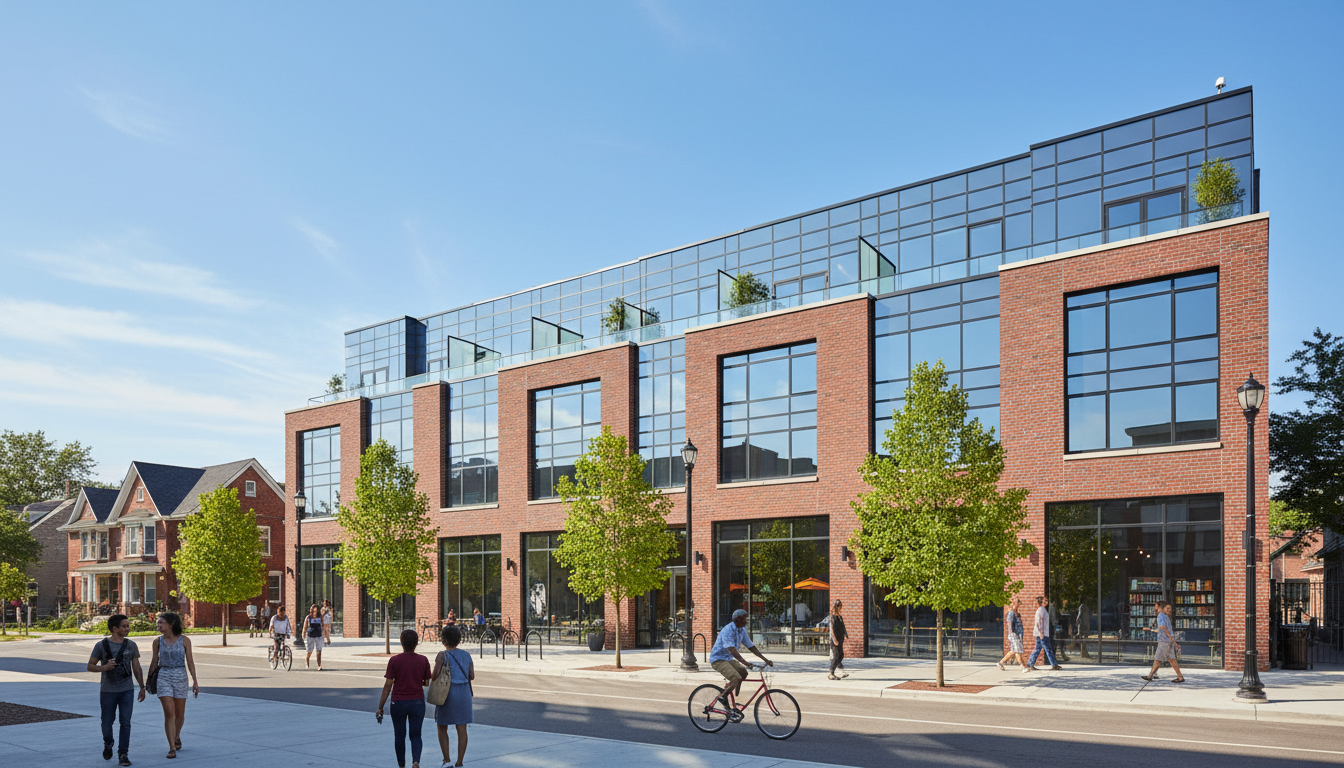
One of the flagship examples of this Detroit economy driver is the expansion of mixed-use developments that combine residential units with ground-floor retail space. These projects are designed to create “walkable” neighborhoods, a key component of modern urban planning that city officials believe will attract a diverse demographic of young professionals and families alike.
In Corktown, the “Left Field” development serves as a prime example of this trend. Located near the former Tiger Stadium site, the project includes nearly 50 affordable units out of a total of 92, ensuring that the neighborhood remains accessible even as property values in the area climb. Developers and city planners note that such projects are essential for maintaining the socio-economic diversity that defines Detroit’s cultural identity.
Impact on Detroit Residents and Local Real Estate
For many Detroiters, the surge in housing projects represents more than just new buildings; it signifies a stabilization of the local infrastructure and an increase in property security. By targeting “Naturally Occurring Affordable Housing” (NOAH), the city is working with private landlords to renovate older apartment complexes in exchange for tax abatements that keep rents capped at affordable rates.
Local community advocates emphasize that these projects must be paired with job creation and improved transit. “Housing is the foundation, but a community requires more than just four walls to thrive,” said a representative from a local neighborhood association. “The focus on these specific Detroit housing developments allows for a holistic approach where we see improvements in streetlighting, park maintenance, and small business support simultaneously.”
However, the rapid pace of real estate development has also raised concerns regarding property taxes and the potential for displacement. To mitigate these risks, the City of Detroit has implemented the “Homeowner Property Exemption” (HOPE) program and other foreclosure prevention resources, ensuring that the push for new residents does not come at the expense of those who stayed during the city’s most challenging years.
Background and Data: The Economic Shift
The Michigan State Housing Development Authority (MSHDA) has been a critical partner in these efforts, providing the Low-Income Housing Tax Credits (LIHTC) that make many of these projects financially viable. According to recent reports from the Michigan State Housing Development Authority, Detroit has consistently been one of the top recipients of these credits, reflecting the state’s recognition of the city’s pivotal role in Michigan’s overall economic health.
U.S. Census Bureau data shows a shifting trend in Detroit’s population density, with certain revitalized neighborhoods seeing their first significant growth in decades. While the city-wide population figures continue to stabilize, the internal migration toward redeveloped hubs suggests that the strategy of targeted neighborhood investment is yielding results. Real estate experts point out that the average days on market for homes in these “high-impact” zones have decreased by nearly 15% over the last two years, signaling high demand for quality Detroit housing.
The Role of the Joe Louis Greenway
Infrastructure projects like the Joe Louis Greenway are also playing a massive role in residential interest. The 27.5-mile loop of trails and green space is acting as a catalyst for developers who are now looking to build housing along the trail’s path. This integration of recreation and residency is a hallmark of the city’s urban renewal goals, aiming to make Detroit one of the most sustainable and livable cities in the Midwest.
What Happens Next for Detroit Neighborhoods
Looking ahead to 2025, the pipeline for Detroit housing projects remains robust. Several large-scale developments are slated for the Eastern Market district and the Milwaukee Junction area, which have become hotspots for creative industries and tech startups. The city’s Planning and Development Department is currently reviewing proposals that prioritize sustainable building materials and energy-efficient designs to lower utility costs for residents.
The long-term success of these initiatives will depend on continued cooperation between the public sector, private developers, and community stakeholders. As the city continues to navigate the complexities of urban growth, the priority remains clear: creating a Detroit where every resident has access to safe, affordable, and high-quality housing. Through careful planning and sustained investment, the current wave of redevelopment is setting the stage for a new era of prosperity across all of Detroit’s 139 square miles.