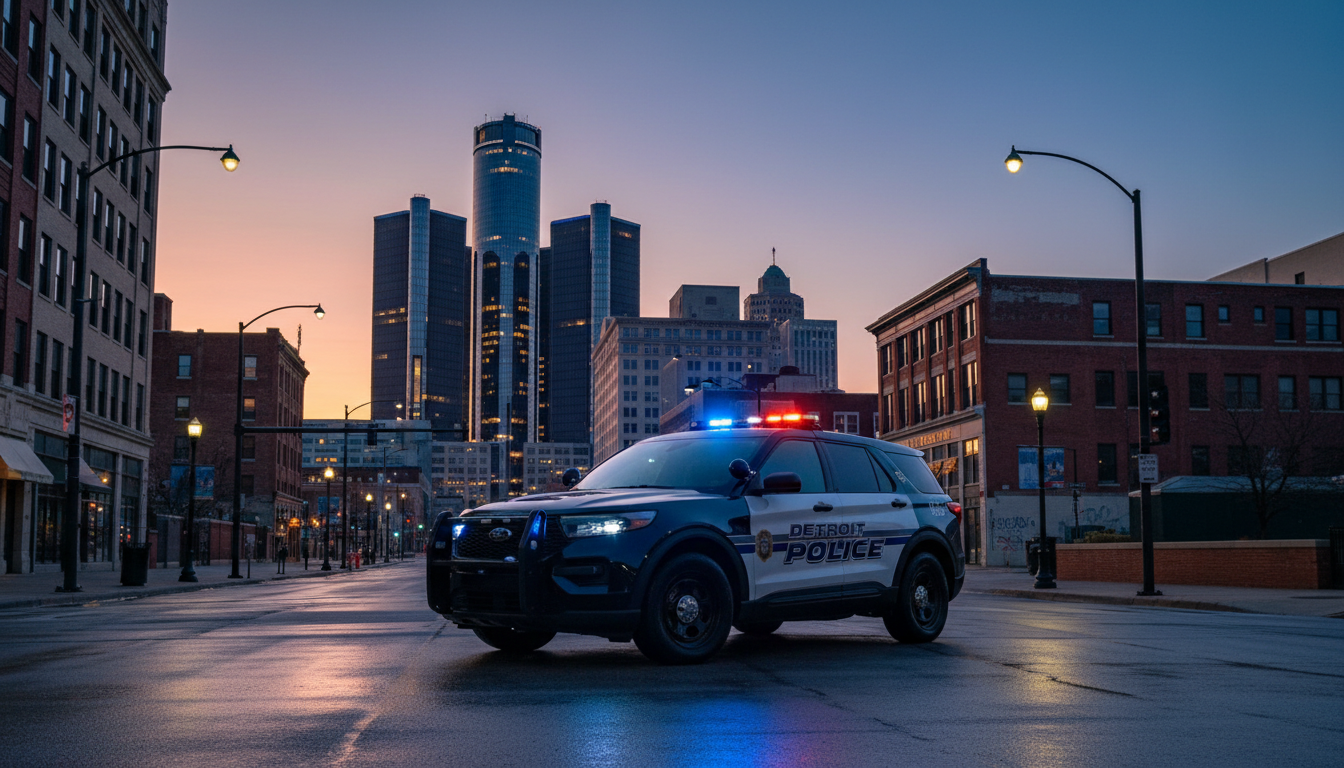
In response to a series of high-profile incidents over the past several weeks, the Detroit Police Department (DPD) is implementing a reinforced deployment strategy aimed at enhancing public safety across the city’s commercial and residential hubs. The shift comes as city leaders look to reassure residents and visitors that security remains a top priority during the busy seasonal transition. This surge in presence is not merely about numbers; it represents a tactical shift in how Detroit police manage crime response and preventative patrolling in the 139-square-mile city.
Strengthening the Crime Response Strategy
The Detroit Police Department has announced that it will be reallocating resources to ensure a more visible presence in areas identified as high-traffic corridors. According to official statements from the City of Detroit, this initiative involves both uniformed and plainclothes officers working in tandem to deter criminal activity before it occurs. Chief James E. White has emphasized that the department is adopting an “all hands on deck” approach, utilizing specialized units to support neighborhood precinct officers.
This increased security presence follows several isolated but concerning incidents that have captured local headlines. While the department maintains that overall violent crime trends have shown areas of improvement over the last year, the perception of safety is often dictated by recent events. To address this, the Detroit police are prioritizing rapid crime response and proactive engagement. This strategy includes the deployment of the department’s Special Response Teams and the use of the Real Time Crime Center to monitor activity in real-time, allowing for a more agile deployment of units to emerging situations.
Impact on Detroit Residents
For the people living in neighborhoods such as Midtown, Corktown, and the North End, the increase in patrols is designed to provide a tangible sense of security. Many community members have expressed a desire for more consistent interactions with law enforcement that go beyond emergency calls. The department’s Neighborhood Police Officers (NPOs) are playing a central role in this rollout, focusing on building relationships with block clubs and local business owners.
Local business owners in the downtown district have noted that the visible presence of Detroit police helps maintain foot traffic, which is vital for the city’s economic recovery. “When customers see a patrol car or an officer on a bike, they feel more comfortable staying out later or walking between venues,” noted a representative from a local business association. This sentiment underscores the connection between public safety and the health of Detroit’s growing small business ecosystem. Residents are encouraged to participate in community meetings where they can provide feedback directly to precinct commanders, ensuring that the surge in patrols is meeting the specific needs of each unique neighborhood.
Background & Data: Understanding the Trends
To understand the necessity of this increased presence, one must look at the data driving these decisions. Data from the Detroit Police Department’s Transparency Dashboard indicates a complex landscape of crime in the city. While certain categories of property crime have seen fluctuations, the department is particularly focused on reducing non-fatal shootings and carjackings—areas where they have seen success through targeted enforcement in previous quarters.
According to a report by the Detroit Free Press, the integration of technology has been a cornerstone of Detroit’s modern policing strategy. The “Project Green Light” program, which now includes thousands of participating locations, provides high-definition video feeds directly to DPD headquarters. This technology, combined with the current increase in physical patrols, creates a multi-layered approach to security. Critics and civil rights advocates, however, continue to monitor these developments closely, advocating for a balance between surveillance and the protection of privacy rights for Detroiters.
Furthermore, the city has seen a significant investment in mental health co-response teams. These units, which pair Detroit police officers with mental health professionals, are increasingly used to handle calls involving individuals in crisis. By diverting these calls from traditional criminal justice pathways, the department can free up more officers to focus on violent crime prevention and community-wide public safety initiatives.
The Role of Infrastructure and Urban Safety
The conversation around public safety in Detroit is also shifting to include urban design and infrastructure. City officials have noted that better street lighting and the revitalization of vacant lots contribute significantly to crime reduction. As part of the broader neighborhood development strategy, the city is working to ensure that the increased police presence is supported by environmental changes that make neighborhoods naturally safer. This holistic view of security acknowledges that law enforcement is only one piece of the puzzle in creating a thriving urban environment.
What Happens Next
As the department moves forward with these enhanced measures, the focus will remain on sustainability. Increased patrols require significant man-hours and budgetary considerations. The City Council has been briefed on the potential need for overtime funding to maintain these levels of service through the end of the fiscal year. Additionally, recruitment remains a top priority for the DPD, as the department seeks to fill vacancies to reduce the strain on current officers.
Looking ahead, the success of this increased presence will likely be measured not just by a decrease in crime statistics, but by the level of trust built between the Detroit police and the citizens they serve. Future reports are expected to detail the impact of these strategies on specific crime categories, providing a clearer picture of how effective the surge has been in stabilizing the city’s most vulnerable areas. For now, Detroiters can expect to see more blue lights on the streets as the city works to fortify its reputation as a safe and welcoming destination for all.