After a multi-year experiment with autumnal dates, the North American International Auto Show (NAIAS) has officially returned to its traditional time slot, marking the most significant entry in the calendar of Detroit events in January 2025. The shift back to winter represents a strategic pivot for organizers and a vital economic stimulus for Downtown Detroit, which has historically relied on the massive influx of industry executives and media personnel to sustain the hospitality sector during the coldest month of the year.
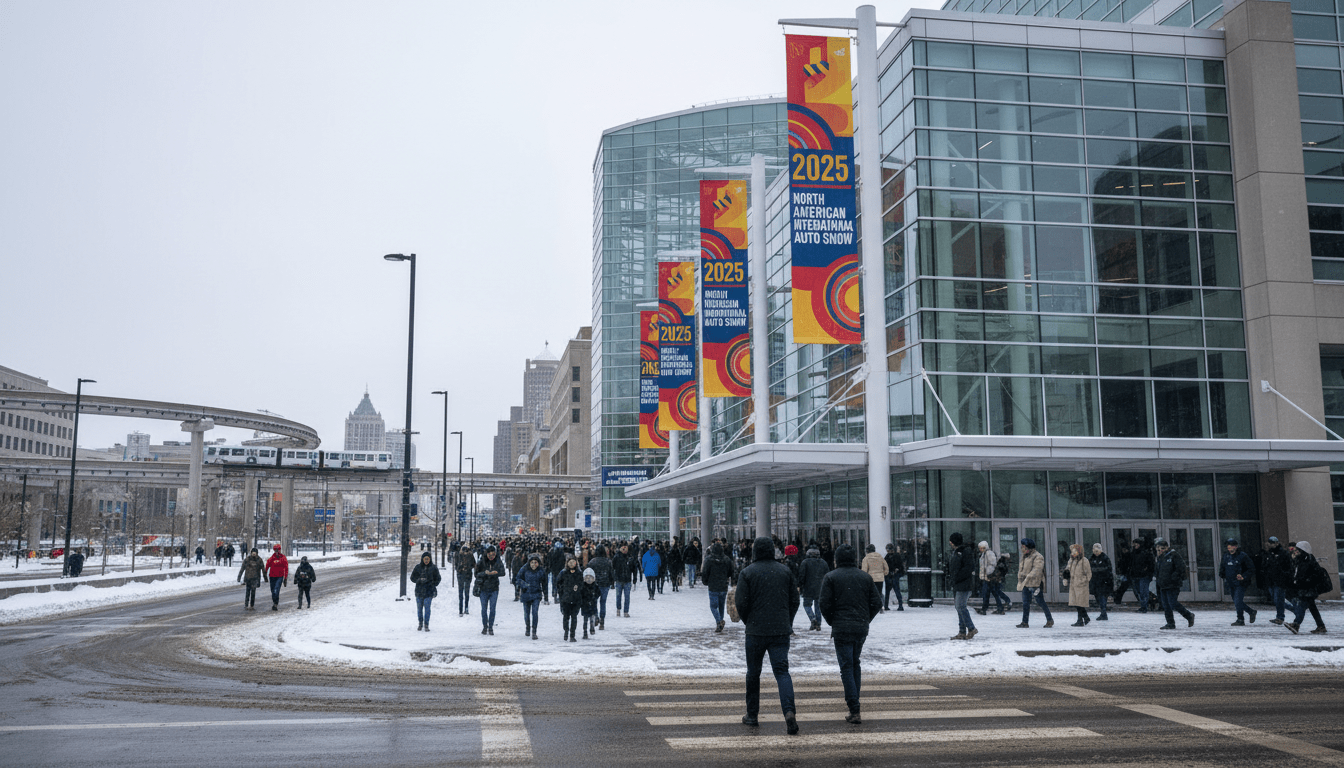
The doors at Huntington Place opened this week to reveal a floor plan that looks noticeably different from the September shows of recent years. While the outdoor activations and test tracks that characterized the summer iterations are gone, the concentrated energy of the indoor exhibition has returned. For the City of Detroit, this move is less about weather preferences and more about reclaiming the global spotlight at a time when no other major automotive events are competing for attention.
The Strategic Pivot Back to Winter
The decision to move the show back to January was announced by the Detroit Auto Dealers Association (DADA) following feedback from automakers and key stakeholders. The September experiment, intended to transform the auto show into an indoor-outdoor festival, struggled to gain the same global traction as the traditional winter dates. Furthermore, it conflicted with the start of the new model year production cycles and other global events.
According to statements from DADA, the January timeframe aligns better with global vehicle reveals and allows Detroit to set the narrative for the automotive industry for the year ahead. With the industry undergoing a volatile transition to electric vehicles (EVs) and hybrid technologies, manufacturers expressed a need for a centralized, focused venue to communicate their strategies to the media and the public.
“The return to January restores the show’s identity as a trade-focused, serious industry event,” noted analysts observing the opening day. “While the festival atmosphere of September was unique, the industry relies on Detroit in January to do business.”
Impact on Detroit Residents and Local Economy
For Detroit residents and business owners, the impact of the Detroit Auto Show January 2025 return is immediate and tangible. January is traditionally a slow month for the downtown service industry. The return of the show serves as a critical bridge between the holiday season and the spring thaw.
Local restaurateurs and hoteliers have reported a surge in bookings that was absent during the January months of the last few years. Visit Detroit, the city’s convention and visitors bureau, has long highlighted the Auto Show as a primary driver of convention center revenue. The influx of international visitors fills hotel rooms that would otherwise sit empty, generating tax revenue that supports city services.
However, the return also brings familiar logistical challenges for locals. Road closures around Huntington Place and increased traffic on the Lodge Freeway and Jefferson Avenue have resumed. The Detroit People Mover and the QLINE are seeing peak ridership numbers, testing the capacity of the city’s public transit infrastructure during freezing temperatures.
Residents are also seeing a trickle-down effect in neighborhood vibrancy. With thousands of visitors in town, secondary events, private parties, and corporate dinners are activating venues in Midtown, Corktown, and the Eastern Market, spreading the economic benefit beyond the immediate riverfront district.
Background: The Failed Summer Experiment
To understand the significance of this return, one must look at the data from the previous scheduling changes. The show moved to September starting in 2022 (after a hiatus due to the COVID-19 pandemic) with the hope of utilizing Detroit’s beautiful late-summer weather. Organizers envisioned outdoor concerts, test drives on city streets, and a festival-like atmosphere.
While the outdoor elements were popular with some locals, attendance figures and international media presence did not meet the historic highs of the pre-pandemic January shows. Data suggests that the global automotive press was less willing to travel in September, a month crowded with other obligations, compared to January, where Detroit historically owned the calendar.
Furthermore, the summer dates failed to provide the “captive audience” effect. In January, the cold weather forces attendees to stay inside the convention center and downtown restaurants, creating a dense, energetic networking environment. In September, the crowd was more dispersed, diluting the business impact that defines the show’s legacy.
For more on how local businesses are adapting to these shifts, read our coverage on downtown business resilience strategies.
Beyond the Auto Show: Other January Anchors
While the Auto Show dominates the headlines, it is not the sole driver of activity. Its presence often catalyzes other Detroit events in January. The renewed vibrancy downtown has bolstered attendance for the Detroit Red Wings at Little Caesars Arena and theater productions in the District Detroit, creating a compound economic effect.
Additionally, the city continues to observe Martin Luther King Jr. Day with significant programming. The juxtaposition of the glitzy Auto Show and the solemn, community-focused MLK Day events highlights the dual nature of Detroit—a city of global commerce and deep-rooted civil rights history. Community leaders have emphasized ensuring that the economic windfall from the auto show reaches the neighborhoods, a topic frequently discussed in our Detroit neighborhood economic equity reports.
What Happens Next?
The success of the 2025 show will likely dictate the calendar for the next decade. Organizers are closely monitoring attendance numbers, media impressions, and exhibitor satisfaction. Early indicators suggest that the industry is relieved to be back on a familiar schedule.
For the City of Detroit, the challenge remains maintaining this momentum. City officials are working to ensure that the infrastructure upgrades and cleanliness initiatives rolled out for the Auto Show are maintained throughout the winter. If this January proves successful, it reaffirms Detroit’s status not just as the Motor City, but as a premier host for large-scale winter conventions.