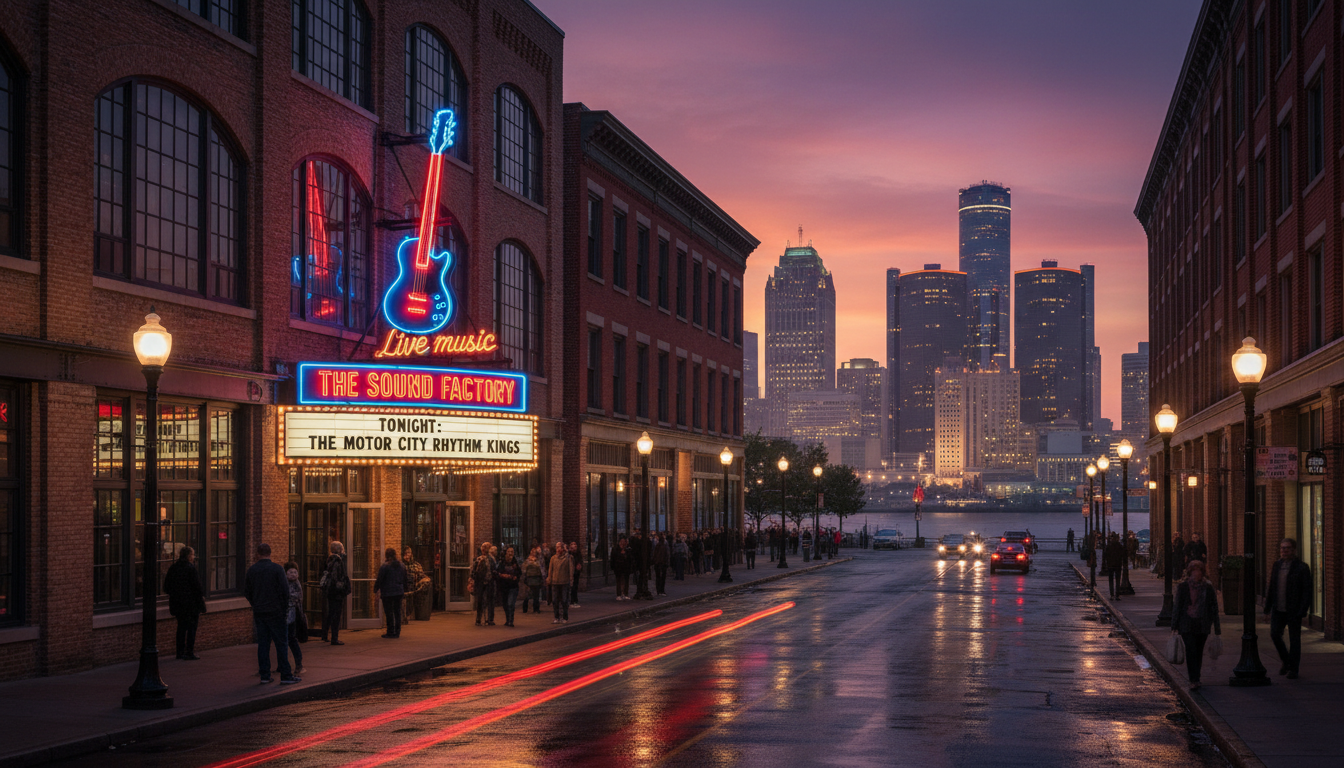
In the quiet corners of Detroit’s industrial districts, a rhythmic pulse that began in the early 1980s continues to serve as a catalyst for urban renewal. Once regarded as a niche subculture, the Detroit techno scene has evolved into a formidable economic engine, attracting global tourism and driving investment into previously neglected neighborhoods. As the city navigates a period of rapid development, city officials and cultural preservationists are increasingly looking toward the nightlife economy as a sustainable model for community growth.
The Economic Weight of the Beat
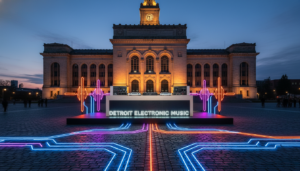
According to the Detroit Economic Growth Corporation (DEGC), the creative industries in the city play a pivotal role in the local GDP. While the automotive industry remains the city’s bedrock, the cultural export of Detroit techno has created a unique brand identity that translates into millions of dollars in annual revenue. The annual Movement Electronic Music Festival alone brings an estimated 30,000 visitors per day to Hart Plaza, filling hotels and boosting revenue for small businesses throughout the downtown core and beyond.
Data from the U.S. Census Bureau regarding service industry growth suggests that areas surrounding traditional nightlife hubs, such as the North End and Eastern Market, have seen a marked increase in commercial permit applications. This trend suggests that the presence of established music venues and underground spaces acts as an anchor for secondary developments, including cafes, record shops, and residential lofts. You can read more about Detroit’s real estate trends in our previous coverage.
Impact on Detroit Residents
For many residents, the growth of the Detroit techno scene is more than just a matter of music; it is a matter of jobs and neighborhood identity. Local business owners in the North End reported that foot traffic during music-related events provides a significant portion of their annual earnings. The city’s Office of Arts, Culture, and Entrepreneurship (ACE) has noted that the creative economy provides accessible entry points for young Detroiters entering the workforce, particularly in technical production, hospitality, and event management.
However, the impact also brings challenges. As property values rise near these cultural hubs, some residents express concern over gentrification and the potential displacement of the very artists who built the scene. To mitigate this, the City of Detroit has begun exploring “legacy venue” status for historic nightlife locations, ensuring that these spaces remain protected even as the surrounding neighborhoods modernize. This approach aims to balance economic expansion with the preservation of the city’s sonic heritage.
Cultural Preservation and Policy
The Detroit Historical Society has long documented the emergence of techno as a response to the city’s post-industrial landscape. Today, that history is being leveraged as a tool for urban planning. The appointment of a nightlife ambassador—often colloquially referred to as a “Night Mayor”—has been a topic of discussion among city council members seeking to streamline the relationship between venue owners and municipal regulators.
According to the City of Detroit’s official website, recent zoning updates have been designed to allow for mixed-use developments that can coexist with entertainment districts. This policy shift acknowledges that the Detroit techno scene is not a relic of the past but a living, breathing part of the city’s future infrastructure. By formalizing support for these spaces, the city is signaling to international investors that Detroit’s cultural output is a priority.
Connecting the Past to the Future
Techno’s influence extends into the revitalization of historic architecture. Many of the warehouses that once housed the city’s manufacturing giants have been repurposed into recording studios and performance spaces. This adaptive reuse strategy preserves the aesthetic of the city while providing modern utility. For those interested in how industrial shifts affect the city, see our report on Detroit industrial development.
The deep-rooted connection between the music and the machinery of the city remains a primary draw for international tourists. The Detroit Metro Convention & Visitors Bureau indicates that “music tourism” is one of the fastest-growing sectors in the region, with visitors often citing the authenticity of the local scene as their primary reason for travel. This interest provides a steady stream of capital that supports local infrastructure projects and public transit improvements.
What Happens Next
Looking ahead, the sustainability of the Detroit techno scene will depend on the continued collaboration between the city government and the independent creators who drive the movement. Proposed initiatives include tax incentives for venues that host local talent and grants for minority-owned businesses within the entertainment sector. As Detroit continues to redefine itself in the 21st century, its soundtrack remains a vital component of its resilience.
With major developments like the Michigan Central Innovation District taking shape nearby, the synergy between technology, art, and commerce is expected to intensify. The Detroit techno scene, once an underground secret, is now at the forefront of the city’s conversation about what it means to be a global city in the modern era. As long as the beat continues, Detroit’s evolution will remain inextricably linked to the sound that the world continues to follow.