As the city continues its decade-long trajectory of economic revitalization, the Detroit Economic Growth Corporation (DEGC) and city officials have unveiled the schedule for Detroit small business grants 2026. With a renewed focus on neighborhood corridors and tech-forward startups, the Spring 2026 funding cycle promises to inject millions of dollars into the local ecosystem, providing critical capital for entrepreneurs looking to open brick-and-mortar locations or scale their operations.
The announcement comes at a pivotal moment for Detroit’s economy. Data from the U.S. Census Bureau indicates a steady rise in small business applications across Wayne County over the last three years. To sustain this momentum, city leaders are prioritizing financial products that bridge the gap between concept and grand opening. The latest round of funding is designed not just for downtown staples, but for the diverse array of service-based and retail businesses emerging in neighborhoods from Bagley to Jefferson Chalmers.
Spring 2026 Funding Landscape
The landscape for Detroit small business grants 2026 is dominated by the continued success of the Motor City Match program, which has entered its 34th round. According to the Detroit Economic Growth Corporation (DEGC), this year’s spring allocation includes specific provisions for sustainability upgrades and digital infrastructure, responding to the changing needs of modern commerce.
In addition to the flagship Motor City Match, the Detroit Development Fund continues to offer targeted capital access. While traditional loans remain common, the grant portion of the 2026 package is specifically aimed at lowering the barrier to entry for minority-owned enterprises. Reports from the City of Detroit suggest that over 60% of the grant funds in this cycle are earmarked for businesses located outside the central business district, ensuring that economic recovery is felt across all seven districts.
Key funding tracks for Spring 2026 include:
- Business Plan Grants: Seed funding for early-stage concepts needing technical assistance.
- Space Activation Awards: Cash grants for build-out and renovation of vacant commercial properties.
- Design & Architecture: Specialized funds to help business owners visualize their space before construction begins.
Impact on Detroit Residents
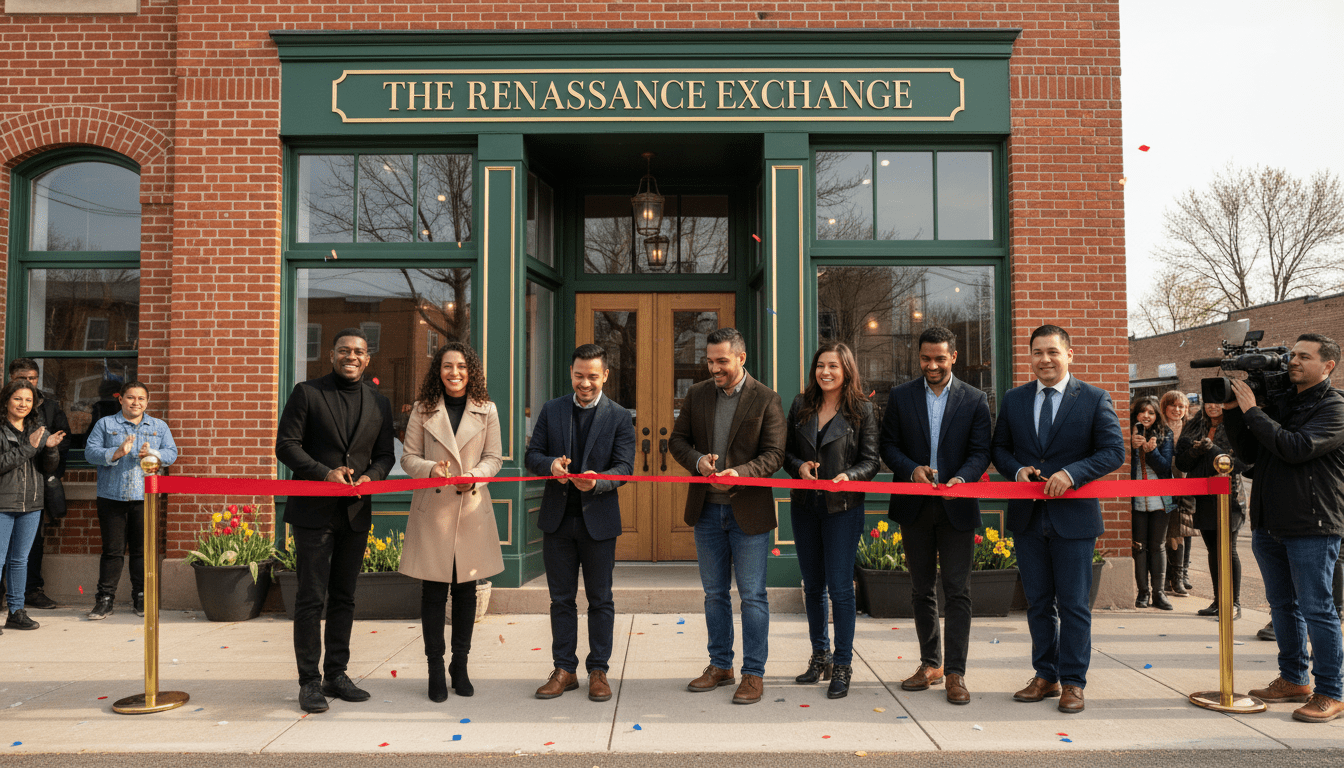
The influx of grant money does more than just help individual business owners; it has a tangible ripple effect on the community. When a new storefront opens on a previously quiet block, it increases foot traffic, improves public safety through visibility, and raises property values for nearby homeowners. For residents, this means access to goods and services within walking distance, reducing the need to travel to suburbs for basic amenities.
Local business advocates have long argued that small businesses are the primary drivers of employment in Detroit. By supporting commercial corridor growth, the 2026 grant programs aim to create jobs that are accessible to local residents. Hiring locally is often a stipulation or a highly encouraged metric for grant recipients, fostering a cycle where money stays within the community.
"The goal isn’t just to open businesses, but to keep them open," stated a representative from the DEGC during a recent press briefing. The focus for 2026 has shifted slightly from pure quantity to sustainability, ensuring that grant recipients have the operational runway to survive their first two years, statistically the most difficult period for any startup.
Eligibility and Requirements
Securing Detroit small business grants 2026 requires rigorous preparation. Competition is expected to be high, with hundreds of applications anticipated for the Spring cycle. The application process places a heavy emphasis on viability and community impact. Entrepreneurs are required to demonstrate a clear path to profitability and a commitment to the neighborhood they intend to serve.
According to the updated guidelines, applicants must provide:
- A comprehensive business plan with 3-year financial projections.
- Proof of site control (lease or deed) for those applying for renovation funds.
- Evidence of good standing with the City of Detroit (taxes and licensing).
Furthermore, technical assistance workshops are mandatory for certain grant tracks. These workshops connect entrepreneurs with legal, accounting, and marketing experts to refine their proposals. This educational component ensures that even those who do not receive funding walk away with resources for minority entrepreneurs that can help them secure alternative financing or improve their business models.
Broader Economic Context
The push for 2026 funding aligns with broader state-level initiatives led by the Michigan Economic Development Corporation (MEDC). Michigan has been aggressively positioning itself as a hub for small business innovation. By aligning city-level grants with state resources, Detroit ensures its entrepreneurs can leverage multiple funding streams. For instance, a business receiving a Motor City Match grant for construction might also qualify for state-level workforce development funds to train new employees.
However, challenges remain. Inflationary pressures on construction materials mean that grant dollars do not stretch as far as they did in previous years. To combat this, some 2026 grant awards have been adjusted upwards to reflect current market rates for labor and materials. This adjustment is crucial for ensuring that projects are not stalled halfway through completion due to rising costs.
What Happens Next
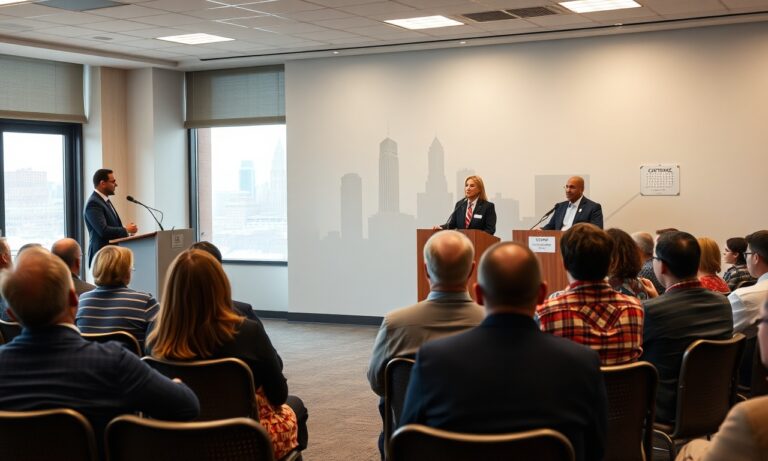
The application window for the Spring 2026 cycle opens in early January, with awards expected to be announced by late April. Prospective applicants are encouraged to attend informational sessions hosted at various district neighborhood halls. These sessions provide a platform for business owners to ask questions directly to program administrators and network with past awardees.
As Detroit looks toward the future, the success of these grant programs serves as a barometer for the city’s overall health. With robust support systems in place, 2026 shapes up to be another year where Detroit’s entrepreneurial spirit takes center stage, turning vacant storefronts into vibrant pillars of the community.