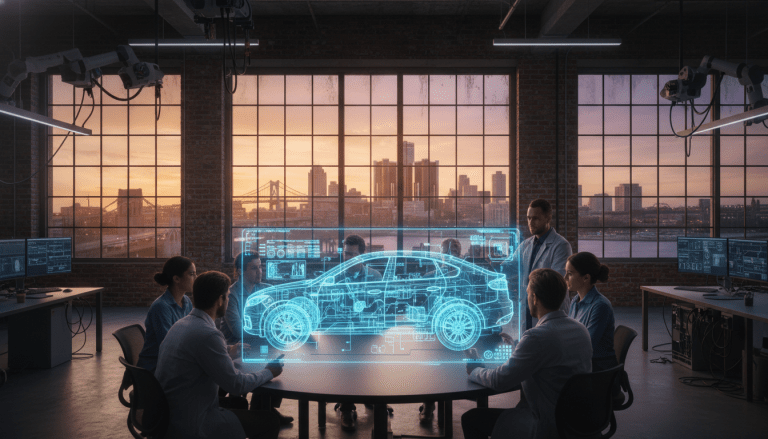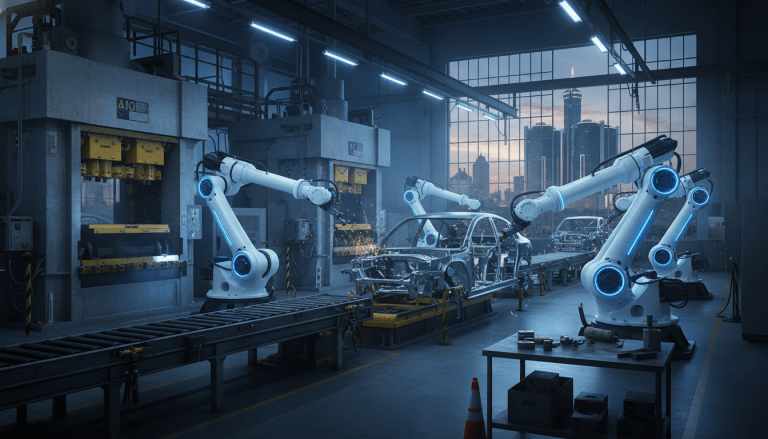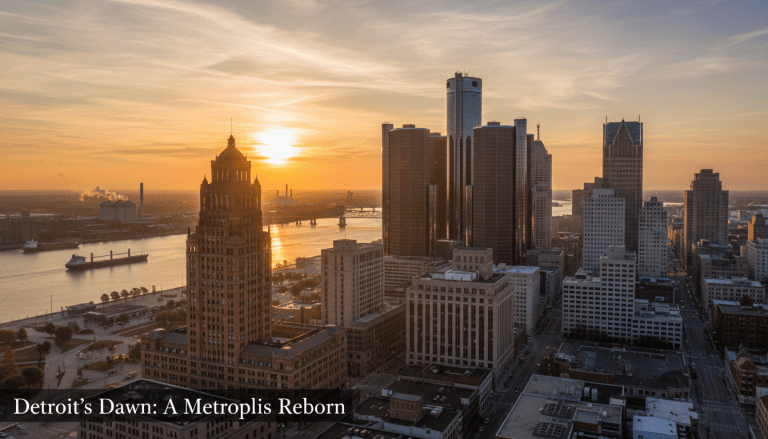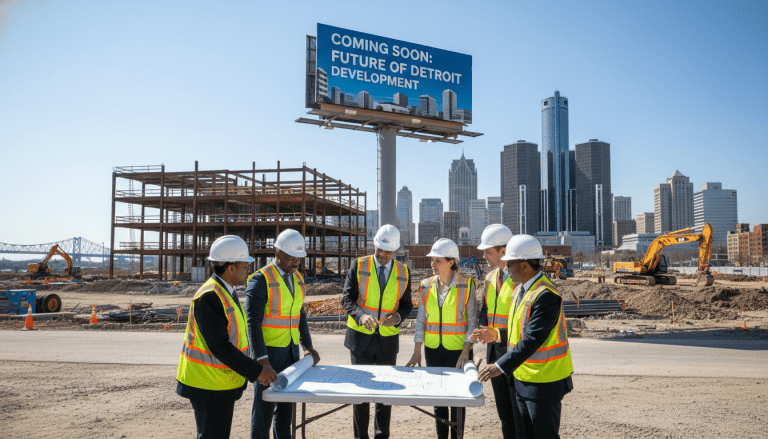

Detroit, long recognized globally as the Motor City, is currently undergoing one of the most significant economic transformations in its history. While the automotive assembly lines defined the 20th century, a new wave of technology, mobility startups, and collaborative workspaces is defining the 21st. The Detroit innovation ecosystem is rapidly maturing, shifting the region’s focus from purely manufacturing hardware to developing the software and systems that will drive the future of transportation.
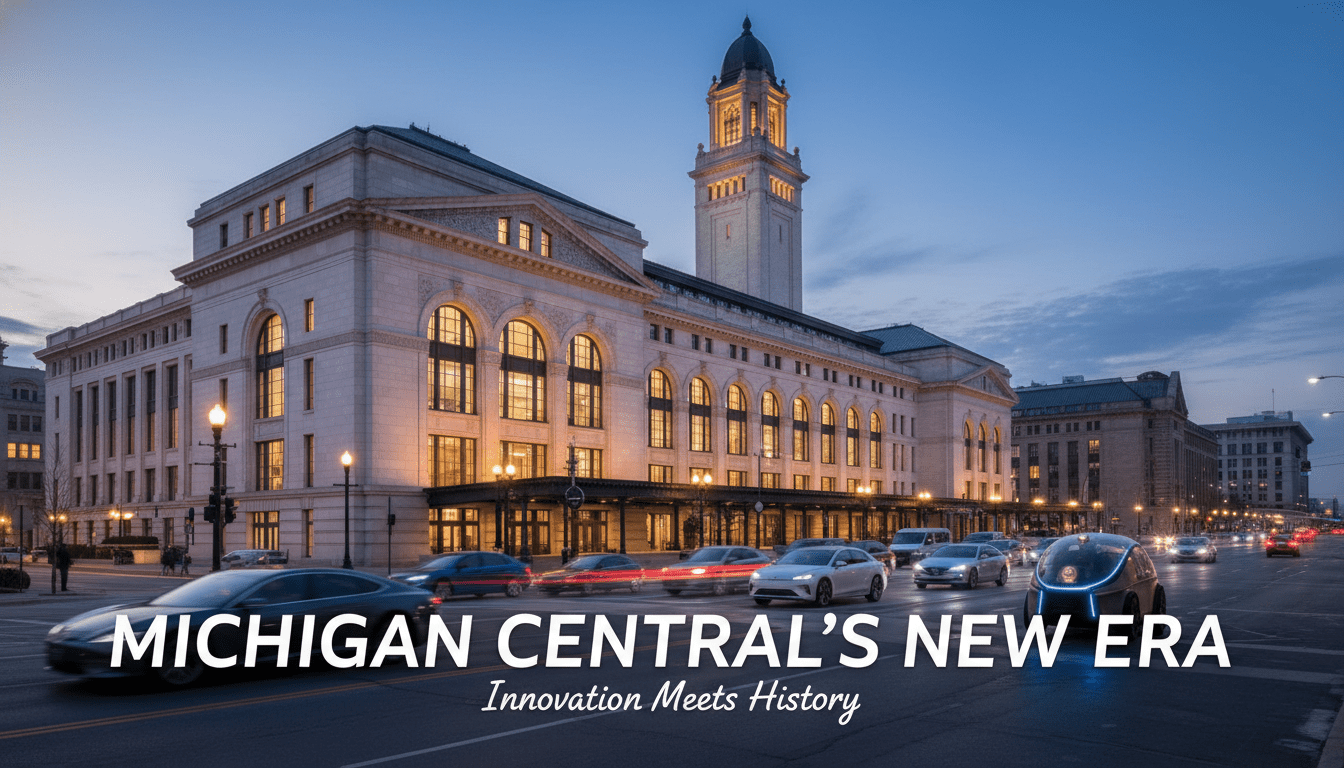
At the heart of this shift is the revitalization of the Michigan Central Station in Corktown. Once a symbol of Detroit’s decline, the campus has been reimagined by Ford Motor Company as a mobility innovation district. However, the scope of innovation occurring in the city extends far beyond a single campus, permeating neighborhoods and attracting venture capital interest that was virtually nonexistent a decade ago.
The New Mechanics of the Motor City
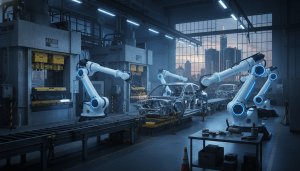
The convergence of traditional automotive manufacturing with high-tech software development has created a unique niche for Detroit. According to a recent report by Startup Genome, Detroit is ranking higher globally as an emerging ecosystem, particularly in the sub-sectors of advanced manufacturing and robotics.
“We are seeing a fundamental change in how the world views Detroit,” says a representative from the Detroit Regional Partnership. “Companies are not just coming here for the assembly lines anymore; they are coming for the engineering talent that understands how to integrate complex hardware with cutting-edge AI.”
The tangible evidence of this shift is found inside Michigan Central. The innovation hub, particularly the Newlab facility adjacent to the station, is now home to nearly 100 startups. These companies are working on everything from electrification infrastructure to aerial drones. Unlike Silicon Valley, where digital products often reign supreme, the Detroit innovation ecosystem focuses on the physical world—moving people and goods more efficiently.
Impact on Detroit Residents and Local Jobs
For decades, the narrative of “tech innovation” has often been synonymous with gentrification and displacement in major U.S. cities. In Detroit, local leaders and developers are attempting to rewrite that script, though challenges remain. The critical question for many Detroiters is: How does this innovation boom put food on the table for long-time residents?
The city has launched several initiatives aimed at bridging the digital divide and preparing the workforce for these new roles. Programs like the Detroit at Work initiative are increasingly partnering with tech firms to offer apprenticeships that do not strictly require four-year university degrees.
“It is not enough to have cool startups in Corktown if the people living in the neighborhood can’t get hired there,” said a local workforce development organizer during a recent town hall meeting. “The success of the Detroit innovation ecosystem will be measured by how many legacy Detroiters are participating in this new economy, not just by how many transplants move in.”
For local small business owners, the influx of workers and tech tourism offers a potential revenue boost. Restaurants and retail shops in Corktown and Southwest Detroit have reported increased foot traffic since the soft opening of the innovation district facilities. However, rising commercial rents remain a pressing concern for established local vendors.
Background & Data: The Mobility Capital
Data from the U.S. Bureau of Labor Statistics and local economic forums highlights the changing landscape. While traditional manufacturing jobs have seen fluctuations, engineering and technical roles in Southeast Michigan have remained robust. Michigan boasts the highest concentration of electrical and mechanical engineers in the country, a statistic that serves as the backbone for the region’s pivot to electric and autonomous vehicles (EV/AV).
According to the 2024 Michigan Venture Capital Association annual report, venture capital investment in Michigan startups has shown resilience despite a national slowdown. A significant portion of this capital is directed toward mobility and climate-tech companies based in Detroit and Ann Arbor.
The state government has also stepped in to support this transition. The “Make It in Michigan” strategy prioritizes retaining talent and offering incentives for R&D centers. This public-private partnership model is designed to de-risk the environment for startups that require heavy capital expenditure for prototyping—something software-only companies rarely face.
Challenges in the Ecosystem
Despite the optimism, the road ahead is not without potholes. Detroit still struggles with regional transit issues, which can make accessing these new innovation hubs difficult for residents in outer neighborhoods. Furthermore, the competition for tech talent is fierce. While Detroit offers a lower cost of living compared to coastal hubs, attracting senior-level software engineers remains a hurdle for growing companies.
Additionally, the transition to electric vehicles (EVs), which anchors much of this innovation, faces market volatility. As major automakers adjust their EV timelines, the ripple effects are felt throughout the supply chain and the startup ecosystem that relies on OEM contracts.
What Happens Next?
Looking ahead to late 2025 and beyond, the Detroit innovation ecosystem is poised for a stress test. The full opening of the Michigan Central Station building itself will serve as a monumental litmus test for the city’s ability to sustain a high-density tech environment. Planners envision a corridor connecting the riverfront, through the Central Business District, up to the New Center area, creating a continuous spine of economic activity.
Industry experts predict that the next phase of innovation in Detroit will focus heavily on “infrastructure tech”—smart roads, connected traffic signals, and grid resilience to support the electrification of the automotive sector.
As the lines between Detroit’s gritty industrial past and its high-tech future blur, the city is proving that innovation isn’t just about writing code; it’s about building things. For a city that put the world on wheels, the next chapter involves teaching those wheels to drive themselves.