As Detroit moves through the second quarter of 2026, new data released by the Detroit Police Department (DPD) and independent oversight committees offers a complex but cautiously optimistic picture of neighborhood safety. For years, the narrative surrounding the city’s safety has been dominated by downtown revitalization. However, the focus in 2026 has decisively shifted toward the neighborhoods, where residents, community violence intervention (CVI) groups, and law enforcement are navigating a changing landscape of public safety.
According to the mid-year public safety report released this week, violent crime rates in specific residential precincts have continued the downward trajectory first observed in late 2023, decreasing by an additional 4% compared to the same period in 2025. Yet, while headline numbers are improving, community leaders argue that the data tells only half the story. Residents in areas ranging from Bagley to Cody Rouge represent a diverse set of experiences, grappling with the lingering challenges of property crime and the push for greater police transparency.
Shifting Trends: Beyond the Headlines
The 2026 data indicates a significant stabilization in violent crime figures, a trend that city officials attribute to the mature implementation of community-based policing and the expansion of the ShotSpotter technology, alongside the controversial but widely utilized Project Green Light partners. However, the data reveals a disparity between violent crime reduction and property crime rates.
"We are seeing a sustained reduction in gun violence across the 8th and 9th precincts, which is a direct result of collaboration between officers and community interrupters," a DPD spokesperson stated during Monday’s press briefing. "However, we acknowledge that auto theft and property damage remain stubborn issues that affect the daily quality of life for Detroiters."
Data from the City of Detroit’s Open Data Portal confirms this dichotomy. While homicides and non-fatal shootings have reached another historic low, reports of vehicle break-ins and catalytic converter thefts have leveled off rather than declined. For residents, this nuance is critical. Safety is not just the absence of violence; it is the security of property and the ability to walk the streets without fear.
The Role of Community Violence Intervention
A major driver of the 2026 improvements—and a focal point of this year’s city budget—is the reliance on Community Violence Intervention (CVI) groups. Organizations like Force Detroit and Detroit Friends and Family have moved from pilot programs to essential pillars of the city’s safety infrastructure.
In 2026, these groups are operating with increased funding and better integration with social services. Their work focuses on conflict mediation before police involvement becomes necessary. Local business owners in the Livernois corridor have reported a shift in atmosphere, crediting increased foot patrols by community ambassadors with creating a more welcoming environment for commerce.
"The difference between 2023 and 2026 is that we are no longer working in silos," said a program director for a local CVI non-profit, speaking on condition of anonymity to discuss sensitive operational details. "The city realizes that an officer cannot solve a dispute between neighbors that stems from economic hardship. That requires resources, mediation, and time—things our teams are better equipped to handle."
Impact on Detroit Residents and Housing
The evolving landscape of Detroit neighborhood safety has direct implications for the housing market and resident retention. As perception lags behind reality, long-term residents are the first to feel the changes—both good and bad.
Real estate analysts suggest that safety metrics are heavily influencing the 2026 spring housing market. Neighborhoods that have shown two consecutive years of stability are seeing an uptick in appraisal values, reducing the gap between listing prices and actual sales. For prospective homebuyers, the granular safety data available now allows for more informed decisions, moving beyond the broad generalizations of the past.
However, insurance rates remain a sore point. Despite the dip in violent crime, Detroiters continue to pay some of the highest auto and home insurance premiums in the nation. Read more about how safety stats are affecting 2026 property values here.
Residents in the outer neighborhoods expressed mixed feelings in recent town halls. While many appreciate the reduced response times for high-priority calls—a metric DPD has improved by 12% year-over-year—there remains frustration regarding low-priority calls, such as noise complaints or minor vandalism.
Background & Data: The 2026 Landscape
To understand the current state of Detroit neighborhood safety, it is necessary to look at the technological and structural changes implemented over the last three years. The city’s investment in license plate readers (LPRs) on major thoroughfares has been credited with higher recovery rates for stolen vehicles, though privacy advocates continue to raise concerns regarding data retention.
Key statistics from the Q2 2026 report include:
- Violent Crime: Down 4% year-over-year citywide.
- Carjackings: Down 15% following a targeted task force operation involving state police.
- Property Crime: Flat (0% change), with specific spikes in developing neighborhoods.
- Emergency Response Time: Average response to Priority 1 calls is now under 11 minutes.
This data suggests that while the “crisis” mode of previous decades has receded, the city has entered a maintenance and prevention phase that comes with its own set of logistical hurdles.
What Happens Next?
Looking ahead to the remainder of 2026, the City Council is expected to debate a new public safety allocation that would further shift funds toward mental health crisis response units—a program that has seen success in pilot precincts. The goal is to remove armed officers from non-violent mental health calls entirely by 2027.
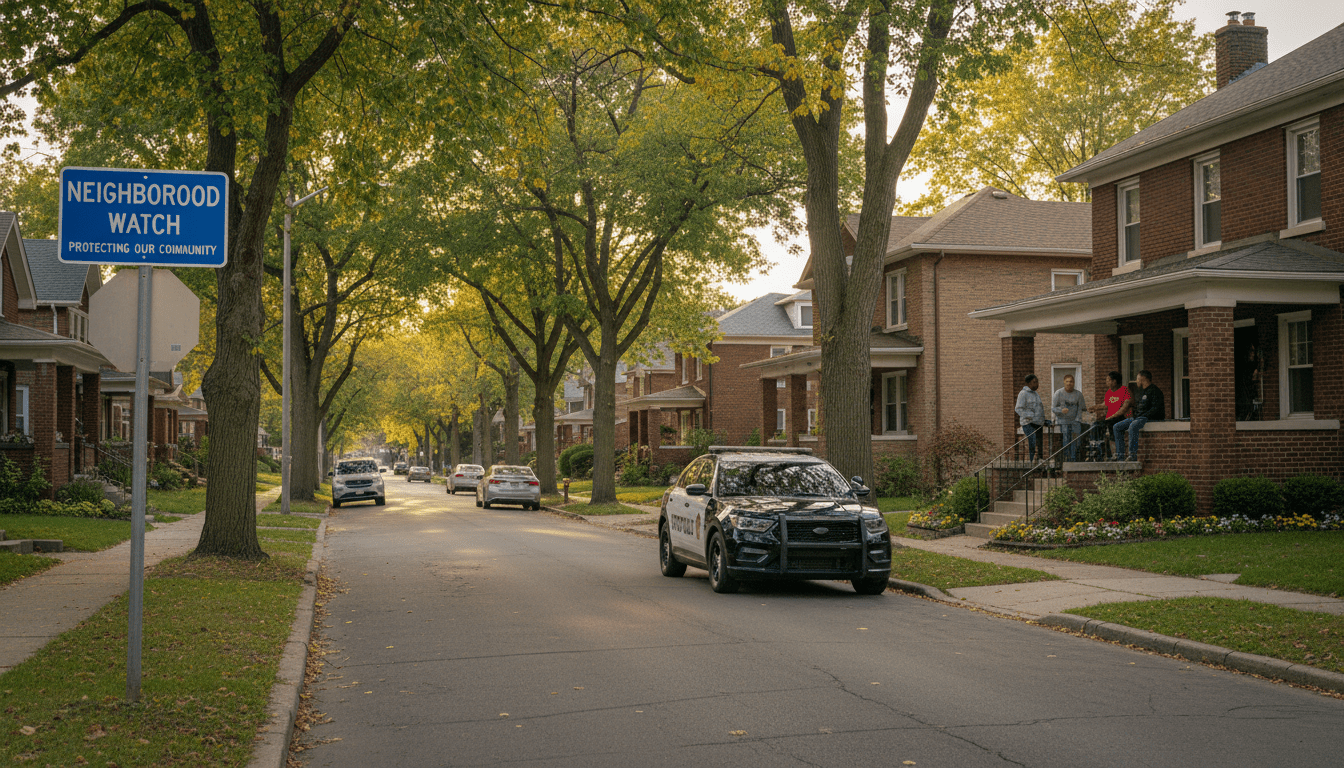
Furthermore, neighborhood block clubs are being incentivized to install improved lighting and participate in safety audits. The emphasis is moving from purely reactive policing to environmental design—changing the physical layout of streets and parks to discourage crime naturally.
As Detroit continues its economic recovery, the safety of its neighborhoods remains the linchpin. Without safe streets, the developments in Downtown and Midtown infrastructure cannot fully benefit the wider population. The 2026 trends offer hope, but they also highlight the work that remains to be done to ensure that safety is equitable across every zip code.