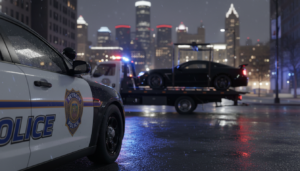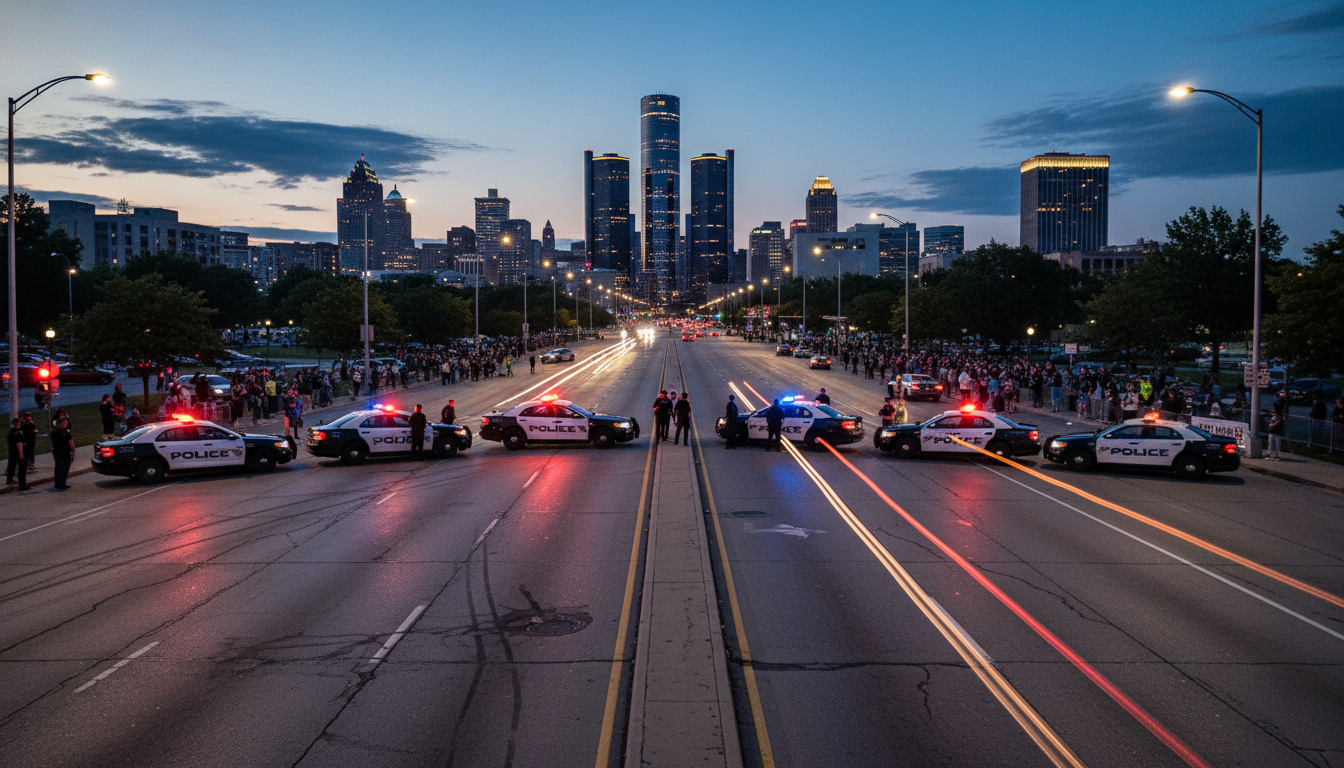
In a coordinated effort to reclaim public spaces and ensure resident safety, the Detroit Police Department (DPD) successfully intervened in and dispersed several unauthorized gatherings and illegal street racing events across the city this past weekend. The surge in enforcement comes as Detroit officials face mounting pressure from neighborhood associations to address the growing trend of ‘sideshows’ and unpermitted pop-up parties that have increasingly disrupted local life.
According to the Detroit Police Department, officers responded to multiple high-traffic areas, including corridors along West Jefferson Avenue and industrial pockets in the city’s outskirts. These operations resulted in dozens of citations, several vehicle impoundments, and multiple arrests related to reckless driving and weapons possession. The crackdown is part of a broader public safety initiative aimed at curbing activities that endanger both participants and bystanders.
The Scope of Recent Enforcement Operations
The weekend operations were not isolated incidents but part of a strategic deployment by the DPD’s specialized units. Police Chief James E. White has consistently emphasized that while the city supports vibrant social gatherings, the transition into illegal activity—specifically street racing and ‘drifting’—cannot be tolerated. ‘Our priority is the safety of our residents and the integrity of our neighborhoods,’ Chief White stated during a recent press briefing regarding citywide safety measures.
Data from the City of Detroit indicates that calls for service regarding ‘nuisance gatherings’ and loud noise complaints have risen by nearly 15% in certain precincts over the last six months. In response, the DPD has utilized a combination of undercover surveillance and high-visibility patrols. The use of the city’s Real Time Crime Center has allowed dispatchers to guide officers to gathering spots before they escalate into larger, more dangerous crowds.
Impact on Detroit Residents
For many living in the affected areas, the Detroit police illegal gatherings crackdown is a long-awaited relief. Residents in the Rivertown and Southwest Detroit neighborhoods have reported sleepless nights due to the roar of engines and the screeching of tires. These events often block major intersections, preventing emergency vehicles from passing and creating significant traffic hazards for essential workers and late-night commuters.
‘It isn’t just about the noise,’ said one community leader from a Detroit neighborhood safety group. ‘It’s about the safety of our kids and the damage to our streets. We want our city to be active and fun, but there has to be a level of respect for those of us who live here.’ The economic impact is also a concern, as local business owners have reported that these gatherings often deter customers from visiting late-night establishments, fearing for their safety or being caught in traffic gridlock.
Technological and Tactical Responses
One of the key tools in the recent crackdown is the integration of Project Green Light. This high-definition camera system, which monitors hundreds of locations across the city, provides real-time evidence used to identify repeat offenders. By tracking the license plates of vehicles involved in illegal drifting, the DPD has been able to issue ‘nudge’ letters to vehicle owners and, in many cases, obtain warrants for vehicle seizures days after an event has concluded.
Furthermore, the Detroit City Council has been working on legislative updates to strengthen the penalties for those participating in or organizing these dangerous gatherings. According to recent Detroit City Council updates, proposed ordinances could increase fines for spectators of illegal street racing, not just the drivers. The goal is to discourage the large audiences that fuel the performative nature of these dangerous events.
Background and Data on Public Safety Trends
This is not a challenge unique to Detroit, but the city’s wide avenues and long stretches of vacant industrial property make it a particularly attractive location for those seeking to host unpermitted events. National data from the National Highway Traffic Safety Administration (NHTSA) suggests that reckless driving incidents increased nationwide during the pandemic, and many urban centers are still struggling to return to pre-2020 safety metrics.
In Detroit, the DPD has noted that many participants in these illegal gatherings travel from outside the city limits. This influx of non-residents has complicated enforcement efforts, as participants often disperse into neighboring jurisdictions when police arrive. To combat this, the DPD has begun collaborating more closely with the Michigan State Police and county sheriff departments to establish a unified front against interstate reckless driving rings.
What Happens Next
Looking ahead, the city plans to continue its zero-tolerance policy toward dangerous gatherings throughout the summer months. Residents can expect to see more frequent checkpoints and a sustained police presence in known ‘hot spots.’ The DPD is also encouraging the public to use the ‘Detroit Rewards’ program to provide anonymous tips about upcoming unpermitted events.
While enforcement is a major component, city officials are also exploring more constructive outlets for the city’s youth and car enthusiasts. Discussions regarding the creation of sanctioned, safe spaces for automotive events are in the early stages, though no formal plans have been approved. For now, the focus remains on ensuring that Detroit’s streets remain safe for all who use them, free from the risks posed by illegal and dangerous gatherings.