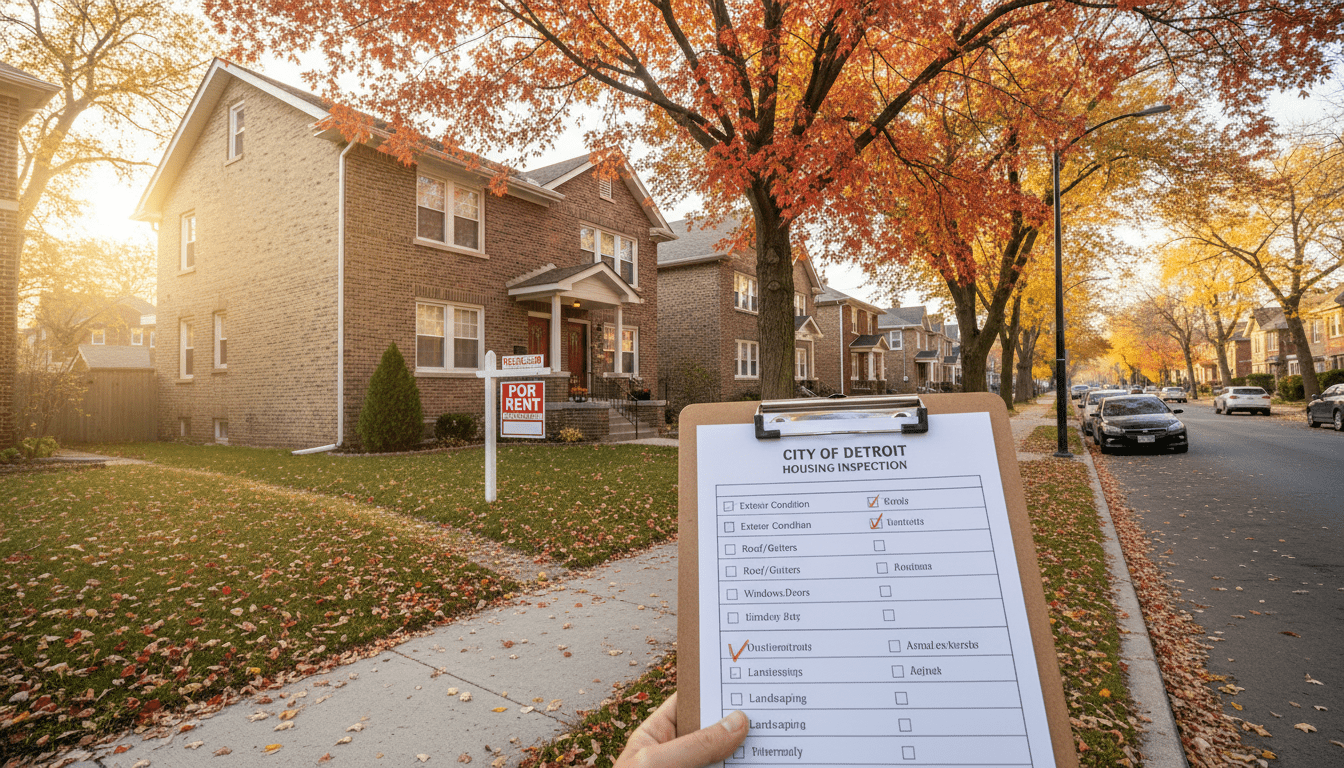
As the City of Detroit intensifies its efforts to improve housing quality and reduce blight, local landlords are facing a rapidly evolving regulatory environment. The renewed push for rental compliance from the Building, Safety Engineering, and Environmental Department (BSEED) is reshaping the sector, making professional Detroit property management more critical than ever for investors and property owners.
For years, Detroit struggled with a low rate of rental registration, leading to safety hazards for tenants and revenue losses for the city. However, recent initiatives aimed at cracking down on non-compliant landlords are changing the calculus for property ownership in the city. With stricter inspections and the threat of withholding rent in escrow for non-compliant properties, the “wild west” days of renting in Detroit appear to be coming to a close.
The Compliance Crunch: What Landlords Are Facing
The core of the issue lies in the Certificate of Compliance requirement. According to the City of Detroit, all rental properties must be registered, inspected, and certified to be lead-safe and structurally sound. While the ordinance has been on the books for years, enforcement has ramped up significantly in the last 18 months.
“The city is no longer looking the other way,” says Mark Robinson, a local real estate investor who owns six single-family homes in the Fitzgerald neighborhood. “If you don’t have your paperwork in order, the fines accumulate fast, and tenants are legally allowed to pay rent into an escrow account rather than to the landlord. It’s forcing a lot of self-managing owners to seek professional help.”
This regulatory pressure has led to a surge in demand for Detroit housing market services that specialize in navigating municipal codes. Professional property management firms are increasingly tasked not just with collecting rent, but with acting as liaisons between frustrated owners and city inspectors.
Impact on Detroit Residents and Tenants
For the thousands of Detroiters who rent their homes, the implications of these changes are significant. The crackdown is primarily designed to protect tenants from lead poisoning and unsafe living conditions. Data from the City of Detroit’s rental property dashboard indicates a steady increase in properties achieving compliance, which translates to safer housing stock across neighborhoods.
However, there is a complex economic ripple effect. As compliance costs rise—often costing thousands of dollars for lead remediation—some smaller landlords are exiting the market or raising rents to cover expenses. This dynamic puts additional pressure on housing affordability.
“We want safe homes, absolutely,” says Sarah Jenkins, a community organizer in District 3. “But we also need to ensure that the cost of Detroit property management and compliance doesn’t get passed down entirely to tenants who are already stretched thin. It’s a delicate balance between safety and affordability.”
The Role of Professional Management
In response to these challenges, the role of the property manager in Detroit has evolved from a simple gatekeeper to a compliance expert. Effective management now requires a deep understanding of lead abatement grants, rental registration timelines, and tenant rights ordinances.
Local firms are reporting that their value proposition has shifted. Where they once sold their services based on tenant screening and maintenance, they now sell peace of mind regarding legal exposure. By streamlining the inspection process, professional managers help keep housing stock on the market rather than letting it fall into disrepair or abandonment due to overwhelmed owners.
Furthermore, regarding neighborhood development updates, compliant rentals stabilize property values. When a block consists of registered, inspected homes, it attracts more investment and reduces the prevalence of blight, creating a positive feedback loop for the community.
Background & Data: The Rental Landscape
The shift is backed by hard numbers. According to U.S. Census Bureau data, Detroit remains a majority-renter city. This demographic reality makes the stability of the rental market vital for the city’s overall economic health. Historically, many of these rentals were single-family homes owned by small-scale investors rather than large apartment complexes.
However, the lack of centralized management for these scattered sites made enforcement difficult. The city’s “Make It Home” program and other initiatives have attempted to bridge the gap, but the administrative burden remains high. Industry analysts suggest that as regulations tighten, the market will likely consolidate, with fewer “mom-and-pop” landlords and more properties under the umbrella of consolidated Detroit property management structures.
What Happens Next
Looking ahead into 2024 and beyond, the expectation is that the City of Detroit will continue to leverage technology to identify unregistered rentals. Cross-referencing tax records with water usage and postal data allows the city to pinpoint potential rental properties that lack a Certificate of Compliance.
For landlords, the message is clear: professionalize or exit. For tenants, the hope is that this transition leads to a baseline of quality that has been missing in parts of the city for decades. As the ecosystem matures, the partnership between the city, community advocates, and property managers will define the next chapter of Detroit’s housing recovery.