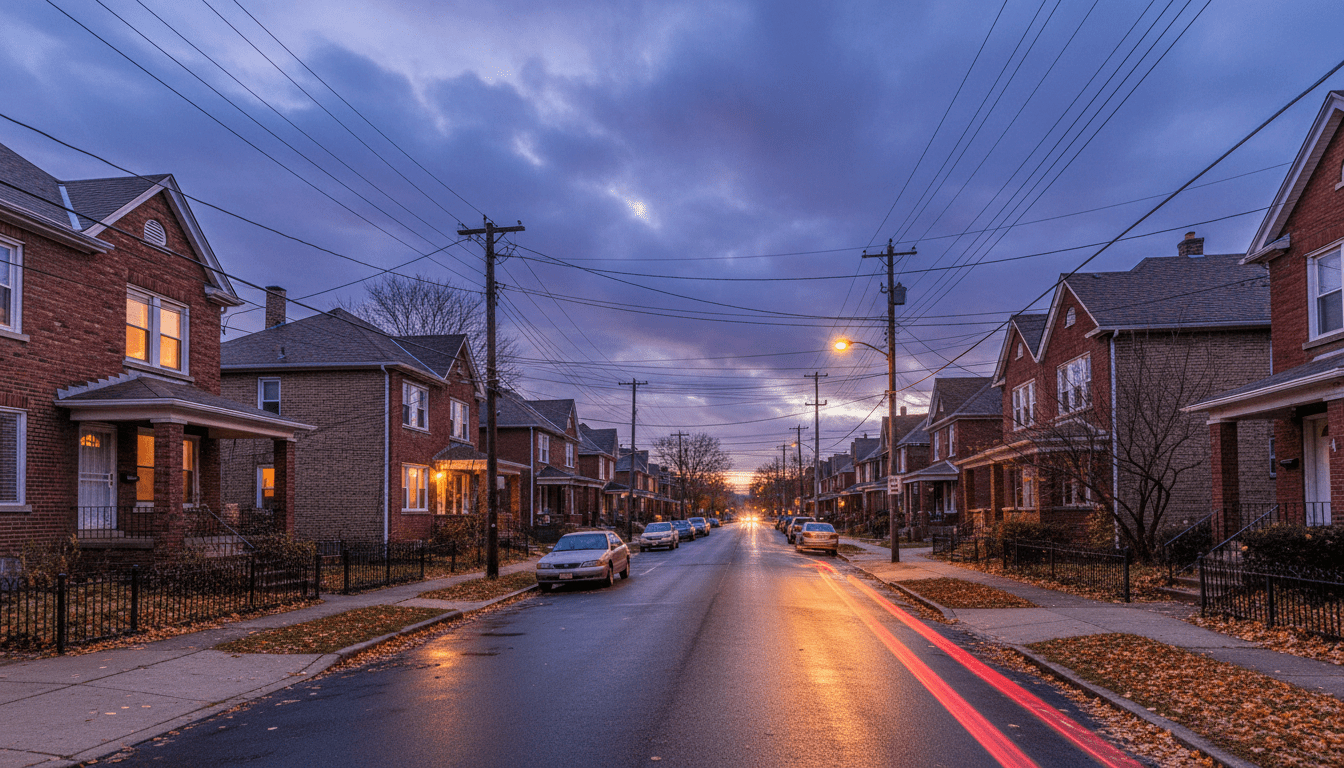
Detroit residents are facing an increasingly complex financial landscape as monthly bills for essential services continue to climb. While inflation has touched nearly every sector of the economy, Detroit utility costs have become a specific focal point of concern for households, advocacy groups, and city officials. From electricity and natural gas to water and drainage fees, the cumulative burden of maintaining a home in the city is rising, prompting new debates over affordability and infrastructure investment.
As 2024 progresses, many Detroiters are grappling with the effects of recent rate adjustments approved by state regulators, alongside new billing structures aimed at modernizing the grid and water systems. While utility providers argue that these increases are necessary to improve reliability and update aging infrastructure, critics maintain that the costs are disproportionately affecting low-to-moderate-income families who are already stretched thin.
The State of Energy Rates in Detroit
Much of the current conversation surrounds the rates charged by DTE Energy, the primary provider of electricity and natural gas for Southeast Michigan. In recent years, the Michigan Public Service Commission (MPSC) has adjudicated multiple rate case filings from the utility giant.
According to filings with the MPSC, DTE Energy has consistently cited the need for capital to fund its "grid of the future." This includes hardening the grid against increasingly severe weather events, trimming trees, and transitioning toward cleaner energy sources. However, the frequency of these requests has drawn scrutiny. In late 2023, the MPSC approved a $368 million rate increase for DTE Electric, significantly less than the $622 million the company originally requested, yet still a substantial hike for ratepayers.
"The cost of infrastructure improvements is real, but so is the struggle of the average Detroiter," noted a representative from a local housing advocacy coalition during public hearings. "When rates go up, rent often follows, or families have to cut back on other essentials."
Furthermore, the implementation of "Time of Day" rates has shifted how residents must manage their usage. Under this structure, electricity is more expensive during peak hours (typically 3 p.m. to 7 p.m. on weekdays). While intended to reduce strain on the grid, this model requires behavioral changes that can be difficult for large families or those with inflexible work schedules to adopt.
Impact on Detroit Residents
The rising tide of Detroit utility costs has a tangible impact on the daily lives of locals. Data suggests that Detroit has one of the highest "energy burdens" in the United States. The energy burden is defined as the percentage of gross household income spent on energy costs.
According to research from the University of Michigan Poverty Solutions initiative, many Detroit households spend well above the national average on utilities. For low-income households, this figure can exceed 10% to 15% of their total income, forcing difficult trade-offs between heating, eating, and healthcare.
Local resident Marcus Thorne, a homeowner in the Bagley neighborhood, expressed frustration with the volatility of his bills. "It feels like every winter the gas bill jumps, and every summer the electric bill sets a new record," Thorne said. "We try to conserve. We got the smart thermostat and new windows, but the base rates and fees keep the total high regardless of how much we save."
This financial pressure ripples through the local economy. When residents spend a larger portion of their income on utility bills, they have less disposable income to spend at local businesses, dampening broader economic growth within the city neighborhoods.
Water Affordability and the Lifeline Plan
While energy costs dominate the headlines, water affordability remains a critical pillar of the utility conversation. The Detroit Water and Sewerage Department (DWSD) has taken a different approach compared to traditional rate hikes. Recognizing the historical struggle with water shutoffs, the city launched the Detroit Lifeline Plan.
The Lifeline Plan is an income-based water affordability program that caps water bills for qualifying residents at a fixed monthly rate—sometimes as low as $18 a month—and erases past debt. According to the City of Detroit, this program is designed to ensure that no resident loses access to water due to an inability to pay.
However, for residents who do not qualify for the Lifeline Plan, drainage fees remain a point of contention. Detroit charges for drainage based on the amount of impervious surface (like roofs and driveways) on a property. For residents with large lots or commercial property owners, these fees can sometimes exceed the cost of water usage itself. The DWSD states that these fees are essential for managing stormwater and preventing sewage overflows into the Detroit River, a crucial environmental mandate.
Navigating Assistance Programs
In response to the escalating Detroit utility costs, a patchwork of state and local resources has been mobilized to assist vulnerable residents. The Michigan Department of Health and Human Services (MDHHS) offers State Emergency Relief (SER) for those facing immediate shutoff.
Additionally, non-profit organizations like The Heat and Warmth Fund (THAW) provide energy assistance to Michigan residents. Local officials are urging residents to apply for these programs before they fall into critical arrears.
"The key is early intervention," said a case worker at a local community action agency. "Many people wait until the shutoff notice arrives. We want people to know that utility affordability plans exist, but the enrollment process takes time."
For homeowners, there is also a push toward weatherization. Improving insulation and sealing windows can significantly lower consumption. The city and various non-profits are working to connect residents with grants for home repairs, directly tying into efforts to improve the Detroit housing market stock.
What Happens Next?
Looking ahead, the trajectory of utility costs in Detroit will likely depend on regulatory decisions in Lansing and infrastructure projects in the city. The MPSC is currently overseeing DTE’s Integrated Resource Plan (IRP), which outlines the utility’s long-term strategy for power generation. This includes the retirement of coal plants and massive investments in solar and wind energy.
While the transition to green energy is widely supported for environmental reasons, the transitional costs are passed down to consumers. Consumer advocacy groups, including the Citizens Utility Board of Michigan, continue to lobby for stronger protections to ensure that the cost of this transition does not fall unfairly on those least able to afford it.
As winter approaches, the focus will once again shift to natural gas prices and heating affordability. For Detroiters, the balance between keeping the lights on, keeping the house warm, and balancing the checkbook remains a monthly challenge that requires navigating a complex web of rates, fees, and assistance programs.