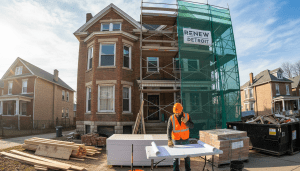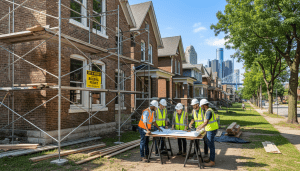
Detroit is currently undertaking one of the most significant overhauls of its municipal code in decades, targeting a complete modernization of Detroit zoning laws. As the city continues its trajectory of economic recovery and development, officials and urban planners are working to replace the outdated 1984 zoning ordinance with a new framework designed to encourage density, streamline development, and foster mixed-use neighborhoods.
The initiative, widely referred to as “ZoneDetroit,” represents a fundamental shift in how the city manages land use. For nearly forty years, Detroit operated under a code written when the city’s population and economic landscape were vastly different. The current push aims to align regulations with the modern reality of the city, focusing on walkability and filling in the gaps left by years of demolition and disinvestment.
According to the City of Detroit’s Planning and Development Department, the primary goal is to simplify a complex web of regulations that has often hindered small business owners and developers alike. By reducing bureaucratic hurdles, the city hopes to accelerate the revitalization of commercial corridors outside of the immediate downtown area.
The Shift to Mixed-Use and Density
At the heart of the changes to Detroit zoning laws is a move away from strictly separating residential and commercial areas—a hallmark of mid-20th-century urban planning that prioritized automobile travel. The new proposals emphasize mixed-use developments, allowing residential units to sit atop ground-floor retail spaces in areas where they were previously prohibited or required special variances.
This approach aligns with national trends in urban planning but is specifically tailored to Detroit’s unique geography. With vast amounts of vacant land, the city is looking to cluster development to create dense, walkable nodes rather than continuing urban sprawl. Data from the City of Detroit Planning & Development Department indicates that increasing density along key transit corridors is essential for supporting public transportation and local businesses.
Furthermore, the updated ordinances are expected to address the issue of “parking minimums.” Historically, developers were required to provide a specific number of off-street parking spots for new buildings, a rule that often made small-scale developments financially unviable. By reducing or eliminating these mandates in certain districts, the city aims to lower construction costs and encourage the adaptive reuse of historic structures that lack space for large parking lots.
Impact on Detroit Residents and Homeowners
For the average resident, the overhaul of Detroit zoning laws could mean significant changes to the look and feel of their neighborhoods. One of the most discussed aspects of the new code is the potential allowance for Accessory Dwelling Units (ADUs), often called “granny flats” or carriage houses. These small, secondary housing units located on the same lot as a single-family home were largely restricted under the old code.
Legalizing ADUs offers a dual benefit: it provides homeowners with a potential source of rental income and creates more affordable housing options in a market where rents are rising. However, community engagement sessions have shown a mix of support and caution. While many residents welcome the potential for extra income, others have expressed concerns regarding density and neighborhood character.
Local community organizations have emphasized the need for these changes to benefit long-term Detroiters. As reported in our recent coverage on neighborhood stability, residents are keen to ensure that new zoning rules do not accelerate gentrification or displace existing communities. City officials have stated that the new code will include provisions to protect the scale of historic neighborhoods while still allowing for necessary growth.
Addressing Blight Through Regulation
The modernization effort is not just about new construction; it is also a tool for combatting blight. The archaic 1984 code often made it difficult to repurpose abandoned commercial buildings for new uses. For example, a vacant warehouse in a residential zone might have been legally prevented from becoming a community center or a loft apartment complex without a lengthy and expensive variance process.
By pre-approving certain adaptive reuses, the new zoning framework aims to reactivate vacant structures faster. This is particularly relevant for Detroit’s industrial legacy. Detroit real estate development news frequently highlights the difficulties developers face when trying to convert old factories. Simplification of these laws is expected to attract more investment into these difficult-to-develop sites.
Economic Implications for Local Business
Small business owners stand to gain from the streamlined regulations. Under the old system, opening a simple café or a pop-up shop often required navigating a zoning map that did not reflect the current reality of the street. The new code aims to expand “by-right” uses, meaning that if a business fits the zoning category, it does not need a special public hearing to open.
Local business advocates have long argued that the time and cost associated with zoning hearings disproportionately affect minority-owned small businesses that may not have the capital to wait months for approval. By making the rules clearer and more predictable, the city hopes to foster a more inclusive local economy.
What Happens Next?
The process of finalizing the new Detroit zoning laws is iterative. The City Planning Commission continues to hold public hearings and review technical drafts of the ZoneDetroit ordinance. Once the draft is finalized, it will require approval from the Detroit City Council before becoming law.
Residents and stakeholders are encouraged to stay engaged with the process. The outcome of these decisions will shape the physical and economic landscape of Detroit for the next generation, determining everything from where grocery stores can open to how much housing can be built. As the city moves forward, the balance between modernization and the preservation of Detroit’s unique spirit remains the central challenge of this legislative overhaul.