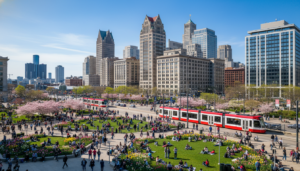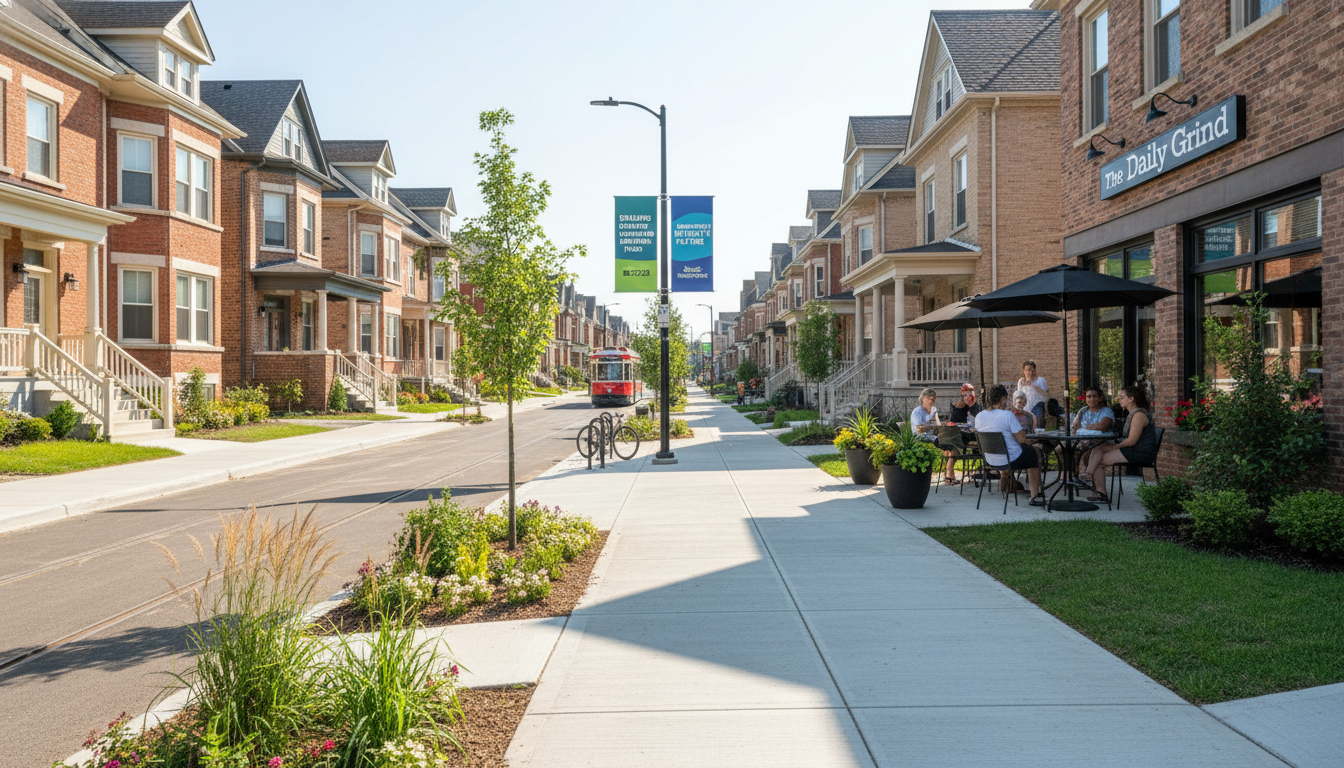
Across the city of Detroit, the narrative of urban renewal is shifting from the glass-and-steel towers of the downtown core to the residential blocks that define the city’s identity. Recent reports from the City of Detroit and various community development partners indicate that Detroit neighborhoods are experiencing a coordinated surge in investment, moving beyond sporadic renovations toward comprehensive revitalization. This momentum is driven by a combination of public funding, private investment, and grassroots community engagement aimed at stabilizing the local housing market and fostering sustainable urban growth.
For decades, the conversation surrounding Detroit’s comeback focused almost exclusively on the 7.2 square miles of the Greater Downtown area. However, according to the City of Detroit Planning and Development Department, the current strategy emphasizes a decentralized approach. By focusing on key corridors such as Livernois, McNichols, and Jefferson-Chalmers, the city aims to create a ripple effect that benefits long-term residents and new arrivals alike.
The Strategic Neighborhood Fund: A Catalyst for Change
Central to this momentum is the Strategic Neighborhood Fund (SNF), a public-private partnership that has become a cornerstone of Detroit’s revitalization strategy. Launched as a pilot in 2016 and expanded significantly since, the SNF has raised over $150 million to improve parks, commercial corridors, and streetscapes across 10 designated neighborhood areas. This fund, managed by the Invest Detroit organization in collaboration with the city, leverages corporate donations and philanthropic grants to jumpstart projects that traditional lenders might otherwise avoid.
The impact of the SNF is visible in the physical transformation of neighborhood hubs. In the Livernois-McNichols area, the fund supported the transformation of the “Avenue of Fashion,” widening sidewalks and adding landscaping to encourage foot traffic. According to data from the Detroit Economic Growth Corporation (DEGC), these improvements have directly contributed to a rise in small business occupancy, with dozens of new storefronts opening over the past three years. This shift suggests that Detroit neighborhoods are becoming increasingly attractive for local entrepreneurs who view community-centric development as a viable business model.
Impact on Detroit Residents and Housing Stability
For the people living in these areas, the momentum in urban development translates to more than just aesthetic improvements; it affects housing stability and quality of life. The city’s “Strategic Neighborhood Fund” focuses on maintaining affordability while increasing property values—a delicate balance in any major metropolitan area. To combat displacement, the city has implemented the Detroit Housing for the Future Fund, which provides low-interest loans for the preservation and production of affordable housing units.
Local community leaders emphasize that the success of these programs depends on resident input. “Revitalization is not just about bringing in new buildings; it’s about making sure the people who stayed here during the tough times can afford to stay here during the good times,” noted a representative from a neighborhood block club during a recent planning meeting. The integration of community voices into the development process is a key pillar of current Detroit real estate market trends, ensuring that projects align with the needs of those who use the spaces daily.
Moreover, the focus on “walkable” neighborhoods has improved access to essential services. Many revitalization plans include the development of “20-minute neighborhoods,” where residents can reach a grocery store, park, or transit hub within a 20-minute walk or bike ride. This urban planning philosophy is particularly vital in Detroit, where car ownership rates can vary significantly by ZIP code.
Background & Data: Understanding the Shift
Data from the U.S. Census Bureau and local housing reports provide a clearer picture of why this momentum is occurring now. After years of population decline, certain Detroit neighborhoods are seeing a stabilization in occupancy rates. The Detroit Land Bank Authority has also played a role, transitioning thousands of blighted properties back into the hands of private owners through programs like the Side Lot program and auction sales. By reducing the number of abandoned structures, the city has cleared the path for new urban development projects that were previously hindered by land assembly issues.
According to a report by the University of Michigan’s Poverty Solutions initiative, while challenges remain, the increase in home repair grants and foreclosure prevention programs has helped stabilize the middle-class base in neighborhoods like Bagley, Grandmont Rosedale, and East English Village. These areas have seen a steady increase in home sales prices, signaling growing confidence in the long-term viability of the city’s residential sectors. You can also explore our previous coverage on local business grants in Detroit to see how micro-funding is supporting this neighborhood growth.
The Role of Infrastructure and Connectivity
Beyond housing, infrastructure projects are linking these neighborhoods more effectively. The Joe Louis Greenway, a planned 27.5-mile loop of hiking and biking trails, is designed to connect 23 Detroit neighborhoods to the riverfront and to each other. This project is viewed by city planners as a critical piece of the community puzzle, providing a safe and accessible way for residents to navigate the city without relying on a vehicle. The greenway is expected to attract additional private investment along its route, much like the Dequindre Cut did for the Eastern Market area.
What Happens Next for Detroit Neighborhoods
The road ahead for Detroit’s revitalization is not without hurdles. Inflationary pressures on construction costs and rising interest rates have slowed some private development projects. Furthermore, ensuring that the benefits of growth reach the city’s most vulnerable populations remains a primary concern for advocacy groups. The City of Detroit has indicated that the next phase of the Strategic Neighborhood Fund will focus on deeper investments in infrastructure and the expansion of the “Motor City Match” program to provide even more support for neighborhood-based businesses.
As these efforts continue to gain traction, the definition of success for Detroit is evolving. It is no longer just about the revitalization of the downtown core, but about the health, safety, and prosperity of the diverse Detroit neighborhoods that form the city’s backbone. With hundreds of millions of dollars still slated for neighborhood-level projects over the next five years, the momentum of urban development in Detroit appears poised to continue, reshaping the city’s landscape for the next generation.