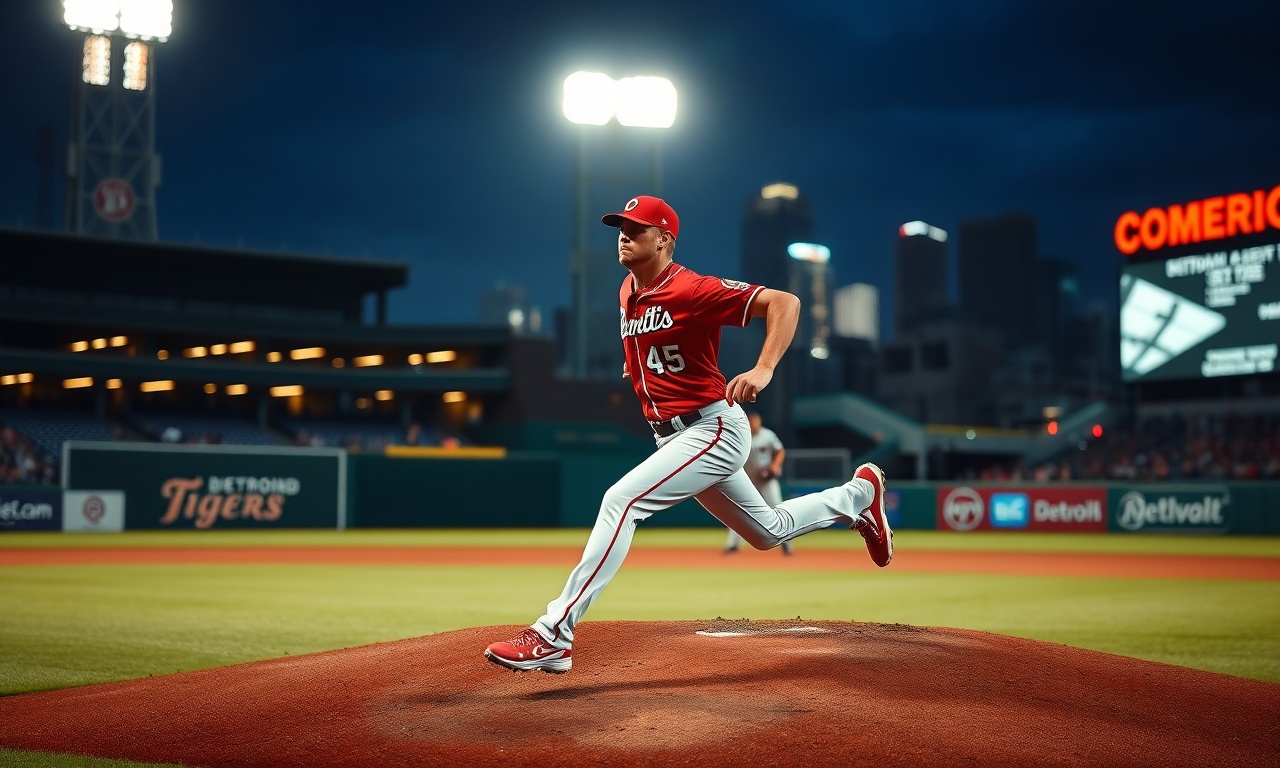
As spring roster moves translate into regular-season stakes, the Cincinnati Reds are set to activate Hunter Greene for their season debut against the Detroit Tigers, a matchup that will draw attention across the Detroit metro area—not just for baseball, but for what it signals about team readiness and how early-season pitching plans can shape the schedule ahead.
Greene’s activation gives the Reds a marquee starting pitcher for the opening stretch, and the Tigers will counter with their own rotation planning after a winter of evaluation. For Detroit fans, the game carries an extra layer of local interest: Greene’s arrival as an on-field impact arm comes during a period when Detroit’s sports calendar, regional tourism, and downtown foot traffic can all swing with marquee matchups at Comerica Park.
While individual game outcomes remain uncertain, the operational decision—RHP activation and confirmation of Greene’s availability—offers a clear checkpoint for both organizations. The move typically follows a series of health and performance assessments, including pitch-count and workload monitoring conducted during spring training and the lead-up to Opening Day.
Main Section: Reds Set for Hunter Greene’s Season Debut
According to the Reds’ publicly available spring and season-prep communications, the organization has tracked Greene’s status with a standard approach used across MLB: monitor throwing intensity, ensure recovery between outings, and confirm the ability to start without compromising longer-term availability. Greene’s activation for a season debut indicates those evaluations are complete enough for Cincinnati to proceed with him as a starter.
For the Tigers, the early-season matchup against a top-tier Reds pitcher will test Detroit’s preparation and discipline at the plate. Starting pitchers can influence not only daily matchups but also weekend series pacing, since managers often adjust bullpen roles based on how long a starter works in the first turn of the rotation.
“Opening-week pitching planning is about reliability,” one Detroit-area baseball analyst said in an interview, describing how teams build their early-week bullpen usage around expected starter workloads. The analyst emphasized that even when starters are cleared, managers still weigh how a pitch mix looks under game conditions—especially if hitters face unusual sequencing early in the season.
Greene’s return also matters for Cincinnati’s broader rhythm. Starting staff stability can reduce volatility in late-inning innings management, helping teams avoid overusing relief pitchers early. In a division where outcomes can turn quickly, a healthy, effective top-of-the-rotation arm often shifts the ceiling of a club’s first month.
What a season-opening RHP activation can mean
When teams activate a pitcher for a season debut, it typically reflects that the athlete has cleared internal performance thresholds. MLB teams generally manage pitchers with workload guidelines intended to reduce injury risk. The approach aligns with broader sports medicine best practices that stress progressive ramping and adequate recovery time.
Data and guidance on arm health and injury prevention have been widely discussed in sports science literature. For example, research and reporting summarized by the American Journal of Sports Medicine and other peer-reviewed outlets have examined relationships between pitch volume, velocity, and injury risk, reinforcing why workload management matters as much as mechanics. While each organization has its own protocols, the logic behind activation decisions is consistent across MLB.
Impact on Detroit Residents: From Comerica Park to Downtown Activity
Detroit’s connection to this matchup isn’t limited to ticket holders. On game days, Comerica Park is a focal point for citywide movement—shaping demand for parking, rideshare, hospitality, and restaurants within walking distance of downtown. When a high-profile starting pitcher is involved, attendance expectations and visitor interest can increase, and that can ripple outward through the local economy.
According to the U.S. Census Bureau, metropolitan economies are sensitive to variations in consumer spending related to events and seasonal activity, with leisure and hospitality often reflecting those changes. For Detroit businesses—especially independent restaurants, bars, and nearby venues—the early-season schedule can help set tone for cash flow patterns across the month.
For fans who travel from across southeast Michigan, Greene’s season debut may also affect planning around transportation and timing. Detroit’s downtown accessibility includes multiple transit and traffic options, and large events tend to influence travel times and parking availability. Local operators that coordinate event-day staffing—such as parking management and hospitality services—often adjust schedules when marquee starters are on the docket.
Just as important, high-profile pitching can shape the tone of the fan experience. Detroit residents who attend for the atmosphere may see how hitters perform against a dynamic arm—an outcome that can influence engagement and media coverage across the city over the next few days.
Background & Data: Why Starting Pitchers Matter Early
The Detroit Tigers and Cincinnati Reds enter the season with long-range objectives, but the opening stretch often reveals immediate tactical priorities. Starting pitchers set tempo, define defensive positioning, and influence how managers sequence pinch-hitting, bullpen matchups, and late-inning strategy.
Baseball’s structure makes the first turn through a rotation especially visible. A starter who works deep into games allows managers to keep leverage relievers fresh for later series, while shorter outings can force earlier bullpen action. For Detroit, the early decision-making around innings limits and relief roles can be affected by how the Reds deploy Greene and what Detroit hitters do against his pitch plan.
At the league level, teams increasingly use detailed performance tracking to evaluate readiness. According to reporting from MLB and major baseball analytics outlets, clubs monitor metrics such as pitch velocity, movement, and command quality—along with catcher-to-pitcher synchronization and situational hitting outcomes—when deciding whether a pitcher is ready to start.
For Detroit fans, that data-driven approach connects to the home-field experience: when hitters adjust quickly or struggle with pitch sequencing, the results often show up fast against top starters.
What Happens Next: Tigers’ Rotation Test and Early-Season Ripple Effects
With Greene activated, Detroit’s next step is clear: prepare for a high-leverage first impression. Tigers players will face a starting pitcher returning in an activation window that typically implies controlled workload and game-ready form. Detroit’s coaching staff will likely focus on recognizing pitch patterns early and managing at-bats to avoid surrendering early-count advantage.
On the Tigers’ side, the club’s own starting pitcher will carry a similar burden. If Detroit can keep pace on the mound—especially in the middle innings—it can soften pressure on the bullpen and preserve strategic flexibility across the series.
Beyond a single game, the Reds’ decision can affect how both teams approach the rest of the week. A strong debut can shift the Reds’ confidence in a rotation plan and tighten bullpen roles. Conversely, if Greene’s outing differs from expectations, Cincinnati could adjust subsequent starts and relief usage.
For Detroit residents, the broader takeaway is that season-opening matchups with significant pitching arrivals can influence city momentum—both in sports conversations and in local economic activity around downtown events. Whether you follow the Tigers from your living room or plan a night out, the game is one more reminder that MLB’s daily decisions have real-world local impact.
Local Impact Snapshot
Comerica Park foot traffic: High-profile starters often increase demand for nearby dining, bars, and event-day transportation planning.
Downtown scheduling: Early-season games can affect staffing and traffic patterns around major routes entering downtown.
Fan engagement: Matchups featuring Hunter Greene can amplify regional media attention and drive next-day discussion at Detroit sports bars and online communities.