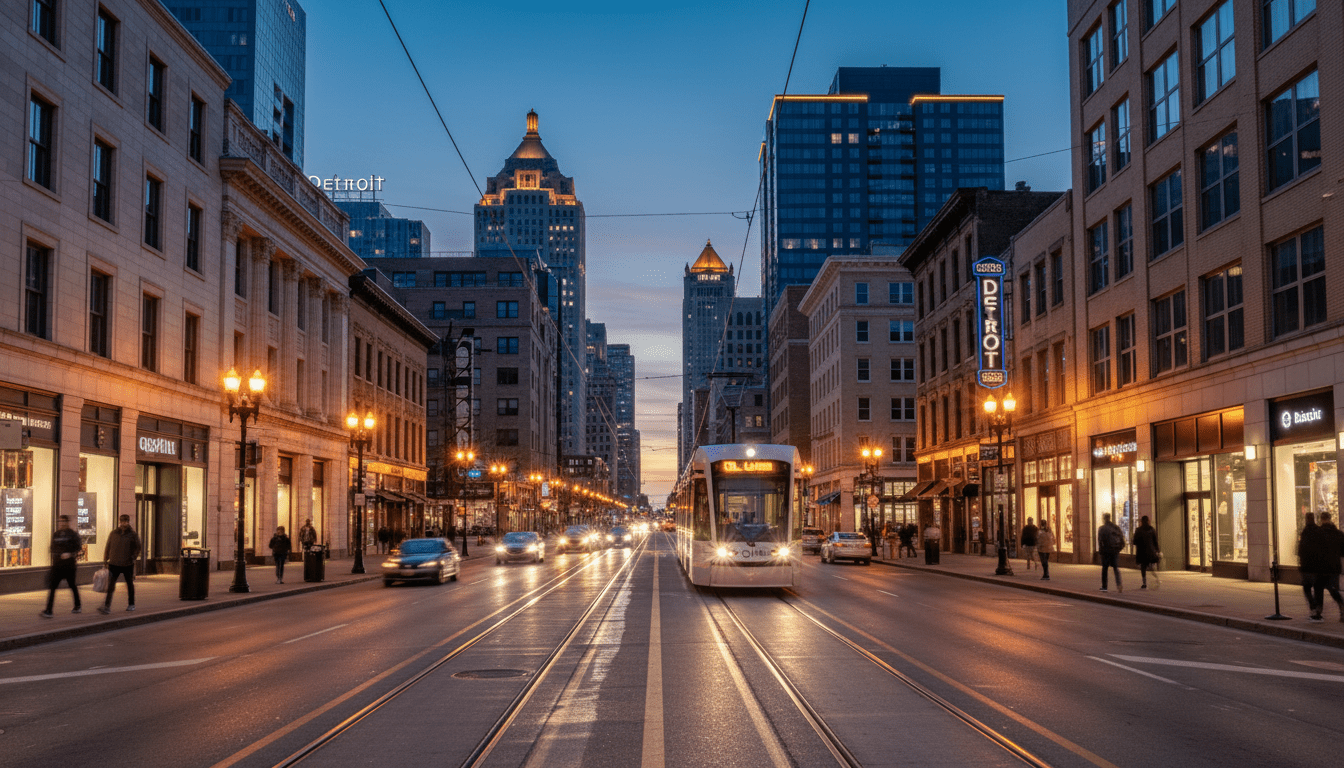
For decades, the rhythm of downtown Detroit was dictated by the business clock: a bustle of activity from 9 a.m. to 5 p.m., followed by a distinct quiet after rush hour. However, recent data and ongoing development suggest that the long-promised transformation into a 24/7 residential neighborhood has firmly taken root, reshaping the economic and social fabric of the city’s core.
As cranes continue to dot the skyline, the demand for downtown Detroit living has surged, bringing with it a complex mix of economic vitality and affordability concerns. According to recent reports from the Downtown Detroit Partnership (DDP), residential occupancy rates in the Central Business District have consistently hovered above 90%, signaling a stabilization of the market that was virtually nonexistent fifteen years ago.
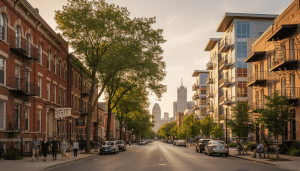
The shift is visible not just in occupancy numbers, but on the sidewalks. The influx of residents has spurred the arrival of essential services, including urban-format grocery stores like Rivertown Market and a density of retail options that cater to locals rather than just office workers or visiting sports fans.
The Shift to a 24/7 Neighborhood
The narrative of downtown Detroit living is no longer solely about revitalization; it is about maturation. The upcoming completion of major projects, including the Hudson’s Detroit development on the historic department store site, is expected to add hundreds of new residential units and hotel rooms to the market. This marks a pivotal moment in the city’s architectural history and its residential capacity.
Urban planners note that the density is beginning to support a “15-minute city” concept, where residents can access most daily needs within a short walk or bike ride. “The infrastructure is catching up to the population,” said a representative from a local urban planning consultancy. “Five years ago, you had to drive to the suburbs for certain amenities. Today, the gaps in the downtown fabric are being filled.”
According to reports from the Downtown Detroit Partnership, the resident population in the greater downtown area has seen steady growth, driven by a demographic mix of young professionals, empty nesters relocating from the suburbs, and corporate transfers. This population density is critical for sustaining the local restaurant scene during non-peak tourist seasons.
Impact on Detroit Residents and Affordability
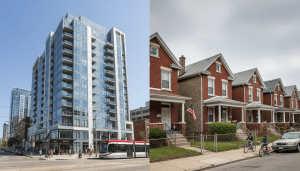
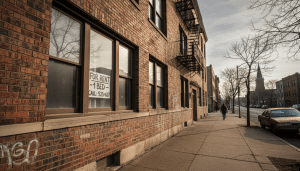
While the visual progress is undeniable, the rising popularity of downtown Detroit living has sparked intense debate regarding accessibility for long-time Detroiters. As demand outpaces supply in the luxury sector, rental rates have climbed significantly. Data from real estate aggregators indicates that the average rent in downtown Detroit now rivals secondary markets in larger coastal cities, a stark contrast to the affordability the city was known for a decade ago.
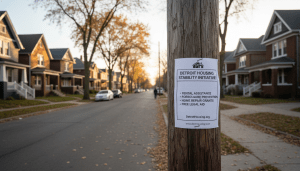
This upward pressure on pricing has made the city’s inclusionary housing ordinances a focal point of discussion. Under current regulations, developers receiving discounted land or tax subsidies are often required to set aside at least 20% of units for residents earning 80% or less of the Area Median Income (AMI).
For more context on how the city is managing these requirements, see our previous coverage on Detroit’s affordable housing initiatives. City officials maintain that these measures are preventing the total gentrification seen in other recovering industrial cities, though housing advocates argue that the definition of “affordable”—based on a regional AMI that includes wealthy suburbs—often remains out of reach for many existing Detroit residents.
Background & Data: The Inventory Boom
The transformation of the residential landscape is supported by hard numbers. Since 2010, thousands of units have been added to the market, with a significant portion coming from the adaptive reuse of historic structures. The Book Tower restoration, for example, brought 229 residential units online, blending high-end amenities with historic preservation.
However, the pipeline is shifting from renovation to new construction. The U.S. Census Bureau data reflects a broader trend of urbanization across the Midwest, but Detroit’s trajectory is unique due to the volume of public-private partnerships involved. The sheer scale of investment—billions of dollars concentrated in a few square miles—has created a micro-economy within the city.
Despite the boom, vacancy rates in Class B and C office spaces remain a concern, leading some developers to consider converting older office buildings into residential apartments. This trend, already visible in other major U.S. cities, could further increase the inventory for downtown Detroit living options in the coming years.
Transportation and Infrastructure Challenges
With an increased population comes the strain on infrastructure. While the QLINE and the People Mover offer circulation within the core, residents often cite the lack of comprehensive regional transit as a barrier to true car-free living. Parking costs in downtown structures have risen alongside rents, adding a hidden cost to the downtown lifestyle.
The city is currently exploring ways to improve connectivity between downtown and the surrounding neighborhoods. For details on upcoming infrastructure projects, read our report on Detroit’s transit development plans.
What Happens Next?
As 2024 progresses, all eyes are on the absorption rates of the new luxury units coming to market. Real estate analysts predict a slight plateau in rental price growth as supply temporarily catches up with demand. However, the long-term outlook remains bullish.
The next phase of downtown Detroit living will likely focus on “in-fill” development—developing surface parking lots into mixed-use structures to create a continuous street wall. For the residents of Detroit, the success of this era will be measured not just by the height of the skyscrapers, but by whether the economic benefits of this residential boom ripple outward to the rest of the city.