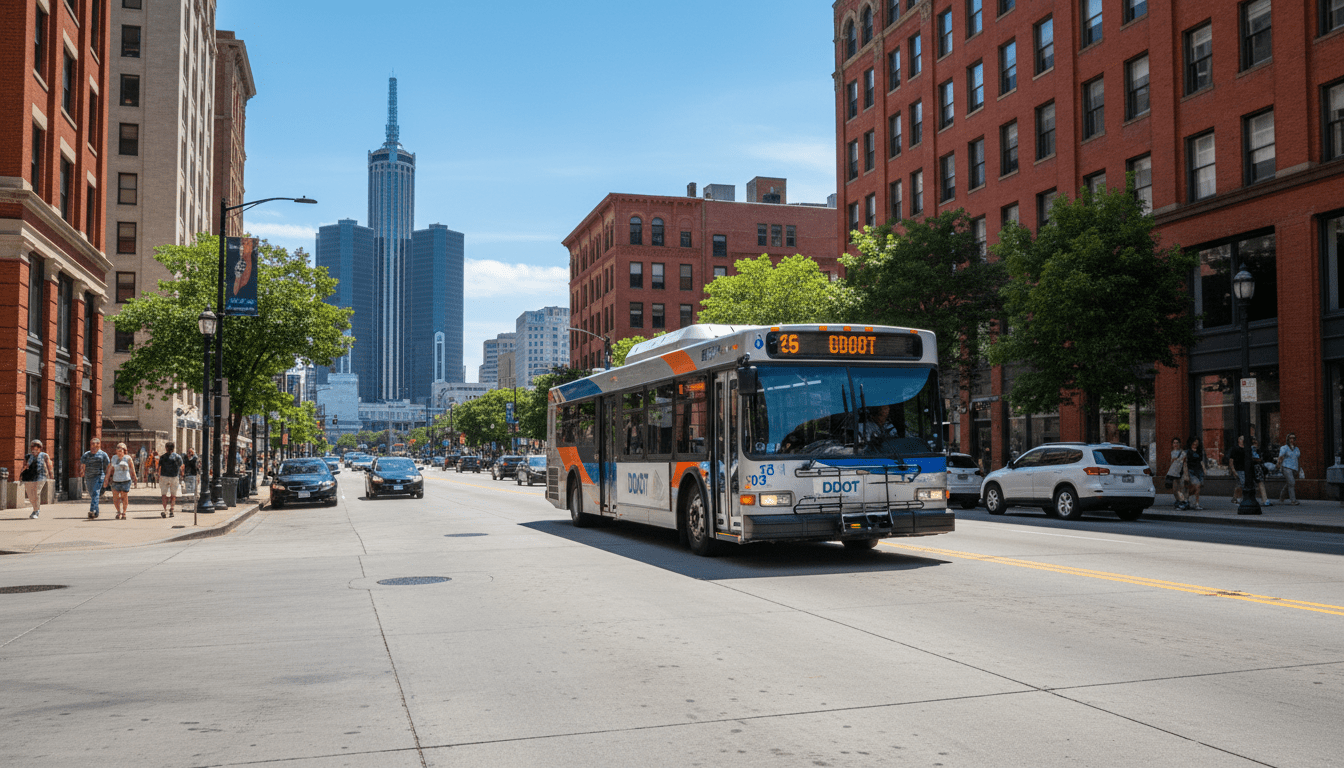
The landscape of public transportation in Southeast Michigan is undergoing a significant transformation as city officials announce a series of strategic updates to Detroit bus routes. Aimed at addressing long-standing concerns regarding reliability and wait times, the Detroit Department of Transportation (DDOT) has initiated a phased rollout of service expansions that represent the most substantial changes to the system in recent years. This latest wave of Detroit transit news comes at a critical time as the city seeks to bolster its workforce connectivity and support neighborhood revitalization efforts.
Increasing Frequency on High-Demand Corridors
According to the City of Detroit’s Department of Transportation, the primary focus of the 2024-2025 service plan is the enhancement of the ‘ConnectTen’ routes. These ten high-frequency lines serve as the backbone of the city’s transit network, linking residential neighborhoods with major employment hubs and essential services. Data from DDOT indicates that the goal is to ensure these routes maintain 15-minute frequencies during peak hours, a benchmark that has historically been difficult to meet due to driver shortages and maintenance backlogs.
To support these improvements, the city has aggressively recruited new transit operators. Earlier this year, Mayor Mike Duggan and DDOT leadership announced a revised pay structure for drivers, which has successfully led to a significant increase in the active workforce. This staffing surge is directly responsible for the reduction in ‘dropped trips,’ a metric that previously plagued the reliability of Detroit bus routes and caused frustration for daily commuters.
Impact on Detroit Residents and Commuters
For the thousands of residents who depend on public transit as their primary mode of transportation, these updates are more than just logistical adjustments. Improved reliability means better access to jobs, healthcare, and education. Local community advocates have noted that the stabilization of the transit system is a matter of equity, particularly in neighborhoods where car ownership rates remain lower than the national average.
“Reliable transportation is the link between opportunity and the people who need it most,” stated a representative from a local transit advocacy group during a recent public hearing. The impact is felt most acutely by third-shift workers and students attending evening classes, for whom late-night service gaps have traditionally been a barrier. By extending the hours of operation on several key Detroit bus routes, the city is effectively widening the window of economic participation for its citizens.
Regional Integration with SMART
A key component of current Detroit transit news is the increased cooperation between DDOT and the Suburban Mobility Authority for Regional Transportation (SMART). The two agencies are working to synchronize schedules at major transfer points, such as the State Fair Transit Center and the Rosa Parks Transit Center. This regional approach is intended to create a ‘seamless’ experience for riders moving across the city limits into the surrounding suburbs.
As part of this initiative, the implementation of the Dart payment system—a unified fare card for both DDOT and SMART—has seen increased adoption. By removing the need for multiple passes, the city is lowering the barrier for regional travel. You can find more information on how these transit hubs are anchoring new neighborhood developments in our previous coverage of Detroit’s urban planning.
Background and Federal Funding Support
The financial foundation for these upgrades rests heavily on federal support. The Federal Transit Administration (FTA) recently awarded Detroit a multi-million dollar grant designated for the purchase of low-and-no-emission buses. This funding is part of a broader effort to modernize the aging fleet and reduce the environmental impact of the city’s transit operations. Statistics from the U.S. Department of Transportation highlight that replacing diesel buses with electric and hybrid models can reduce maintenance costs by up to 30% over the vehicle’s lifespan, allowing funds to be redirected toward service frequency.
However, the transition is not without its challenges. Infrastructure for electric vehicle charging must be integrated into existing bus depots, a process that requires significant coordination with local utilities. As detailed in our report on the City Council’s latest transportation budget, these capital improvements are being prioritized alongside immediate operational needs.
What Happens Next: The 20-Year Vision
Looking ahead, the Regional Transit Authority of Southeast Michigan (RTA) continues to advocate for a more robust, permanent funding mechanism for regional transit. While the current improvements to Detroit bus routes provide immediate relief, long-term sustainability remains a topic of intense debate among lawmakers. The RTA’s regional master plan envisions a future that includes rapid transit corridors and expanded paratransit services to accommodate an aging population.
Residents can expect further adjustments as DDOT continues to monitor ridership data and collect feedback through community meetings. For the most up-to-date information on specific line changes, passengers are encouraged to visit the official Detroit Department of Transportation website or use the real-time tracking apps provided by the city. As Detroit continues its post-pandemic recovery, the success of its transit system will remain a central pillar of its growth strategy.