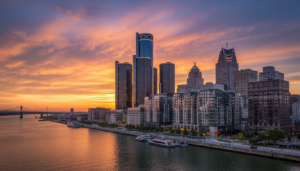
The skyline of Detroit is undergoing a rapid transformation, marked by a surge in construction and the restoration of historic landmarks. However, beneath the gleaming glass of new developments, a more complex story is unfolding within the local housing market. For many residents, the primary concern remains the rising cost of Detroit rent and the long-term availability of quality housing in both the urban core and outer neighborhoods.
The Current State of Detroit Rent and Market Growth
As of late 2024, the rental landscape in Detroit is a study in contrasts. According to recent data from the U.S. Census Bureau, while Detroit remains one of the more affordable major cities in the Midwest compared to Chicago or Minneapolis, the rate of rent increases has outpaced wage growth for many working-class families. In neighborhoods like Midtown and Corktown, new market-rate developments are fetching prices previously unseen in the city, frequently exceeding $1,500 for a one-bedroom apartment.
This shift is largely driven by a renewed interest in urban living and a influx of professional workers. Data compiled by various local housing trackers suggests that occupancy rates in high-density areas remain robust. However, this growth in high-end options has placed upward pressure on the broader market, leading to a ripple effect that touches virtually every corner of the city’s residential sectors. You can read more about how this aligns with the broader Detroit economy report published earlier this season.
Impact on Detroit Residents
The rising cost of living is not merely a statistical trend; it represents a significant shift in the daily lives of Detroiters. For many long-term residents, the increase in Detroit rent means a higher percentage of their monthly income is dedicated to housing. According to a report by University of Michigan’s Poverty Solutions, nearly half of Detroit renters are considered “rent-burdened,” meaning they spend more than 30% of their gross income on housing costs.
Local advocates note that while new buildings bring tax revenue and vibrancy, they do not always address the immediate needs of those living in traditional multi-family homes or older apartment complexes. “Stability in housing is the foundation of economic mobility,” noted a community developer focused on the North End. “When rent spikes unexpectedly, it doesn’t just affect a family’s bank account; it affects school stability for children and the social fabric of the neighborhood.”
Background & Data: City and Federal Policy Responses
To address these concerns, the City of Detroit Housing and Revitalization Department (HRD) has launched several initiatives aimed at preserving affordability. One of the most significant efforts is the $203 million affordable housing plan, which leverages federal and local funds to renovate existing affordable units and incentivize developers to include lower-income housing in new projects. According to the City of Detroit, these efforts are crucial to ensuring that the “comeback” of the city includes all its citizens.
Furthermore, the U.S. Department of Housing and Urban Development (HUD) has adjusted Fair Market Rents (FMRs) for the Detroit metropolitan area to better reflect the current economic reality. These adjustments help families using Housing Choice Vouchers (Section 8) compete in a more expensive market, though supply remains a significant hurdle. For more context on local infrastructure, see our latest update on neighborhood development updates.
The Role of Multi-Family Renovations
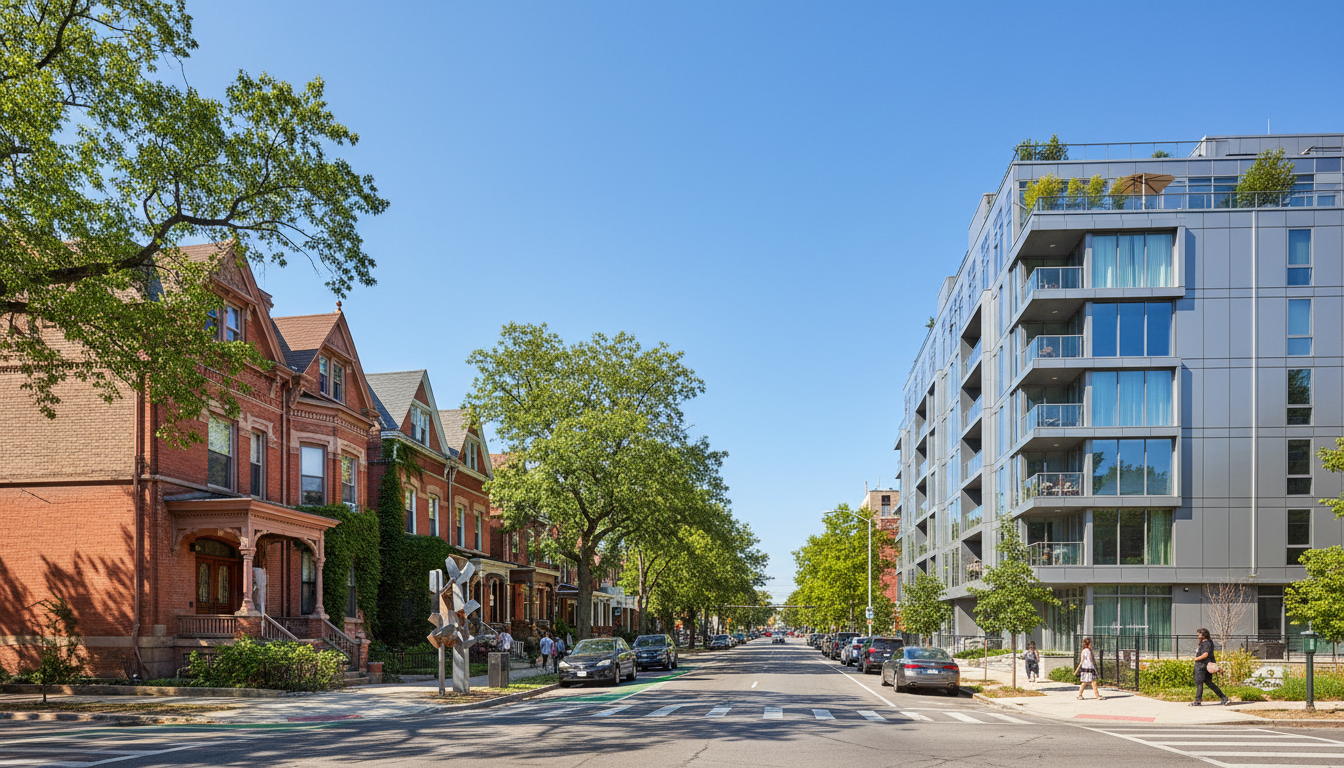
Beyond new construction, the renovation of older “missing middle” housing—duplexes and small apartment buildings—is seen as a vital component of the strategy to stabilize Detroit rent. Many of these structures, particularly in neighborhoods like Jefferson-Chalmers and the University District, require significant capital investment to meet modern safety and energy efficiency standards. By providing grants and low-interest loans to local landlords, the city aims to keep these units on the market at accessible price points.
What Happens Next
Looking ahead, the trajectory of Detroit rent will likely depend on the balance between inventory growth and economic stability. While several thousand new units are currently in the development pipeline, the focus is increasingly shifting toward “deep affordability”—units reserved for those earning significantly below the Area Median Income (AMI).
Experts from the Detroit Housing Commission suggest that the next 24 months will be critical. As interest rates fluctuate and construction costs remain high, the public-private partnerships that have defined Detroit’s redevelopment will need to innovate to keep housing within reach. Residents are encouraged to monitor the City of Detroit’s official housing portal for information on new lottery-based affordable housing openings and tenant protection resources.
As the city continues to evolve, the conversation around Detroit rent is no longer just about the price of an apartment; it is about the vision for the city’s future—one that seeks to welcome new investment while honoring the resilience and needs of its longtime inhabitants.