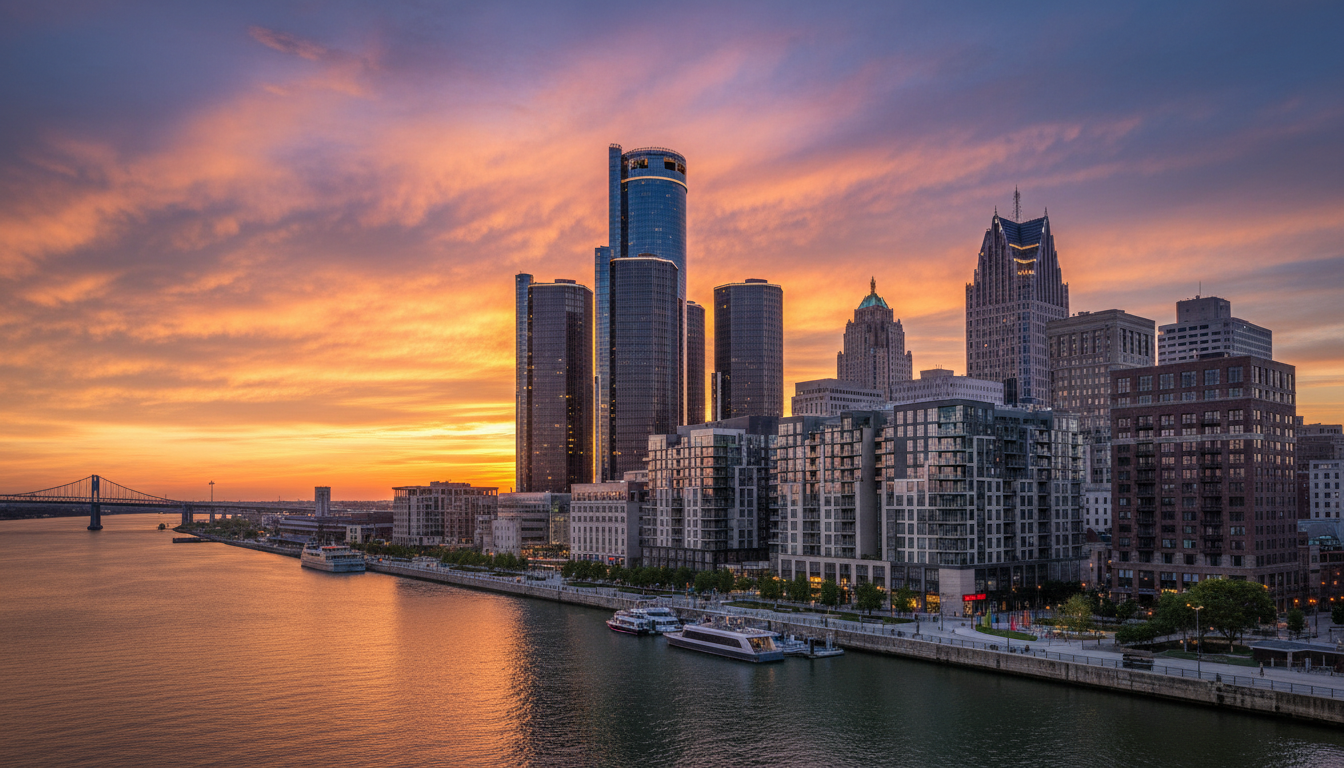
As the city of Detroit continues its most significant infrastructure and commercial evolution in decades, the residential rental market is approaching a critical juncture. By 2026, several flagship development projects—including the completion of the Hudson’s Site and the full integration of the Michigan Central innovation district—are expected to reshape the city’s economic geography. For residents and investors alike, the primary question remains: how will Detroit rent prices in 2026 reflect these shifts?
Market analysts and urban planners suggest that while the rapid post-pandemic spikes have leveled off, the city is entering a phase of sustained, incremental growth. According to data from the Southeast Michigan Council of Governments (SEMCOG), the region is seeing a steady shift in population density toward the urban core, a trend that is projected to continue through the middle of the decade. This migration is driven by a mix of corporate relocations and a growing preference for walkable urban environments among young professionals and retirees.
The Core-Periphery Rent Divide
As we look toward 2026, a distinct “two-speed” rental market is emerging in Detroit. In neighborhoods like Midtown, Corktown, and the Downtown core, occupancy rates remain near record highs. Real estate observers note that Detroit rent prices in 2026 in these high-demand zones are likely to be influenced by the premium amenities of new-build glass towers. However, the sheer volume of units currently under construction could provide a necessary supply shock to prevent the runaway inflation seen in peer cities like Nashville or Austin.
Outside of the immediate downtown area, the outlook is more varied. Neighborhoods bordering the Joe Louis Greenway—a planned 27.5-mile loop of hiking and biking trails—are seeing increased interest. Historical data from similar projects in other cities suggest that as these infrastructure improvements reach completion in late 2025 and early 2026, adjacent rental properties often see a boost in valuation. You can read more about how these infrastructure shifts are impacting the city in our recent report on Detroit neighborhood development updates.
Impact on Detroit Residents
For the average Detroiter, the forecast for Detroit rent prices in 2026 presents both challenges and opportunities. The City of Detroit’s Housing and Revitalization Department (HRD) has been proactive in implementing inclusionary housing ordinances, which require developers receiving city subsidies to set aside at least 20% of units for those earning 80% or less of the Area Median Income (AMI).
’Our goal is to ensure that as Detroit grows, it remains a city for everyone,’ officials from the City of Detroit Housing and Revitalization Department stated in a recent policy briefing. By 2026, hundreds of these regulated affordable units are scheduled to come online, potentially mitigating the displacement that often accompanies rapid urban revitalization. However, residents in non-regulated ‘naturally occurring affordable housing’ (NOAH) may face steeper challenges as older buildings are renovated and rebranded for higher-income brackets.
Economic Drivers and Data Trends
The economic underpinnings of the 2026 rental market are tied heavily to Detroit’s diversifying job market. While the automotive industry remains the city’s backbone, the growth of the tech and healthcare sectors is creating a new class of renters. Reports from the U.S. Bureau of Labor Statistics indicate that professional and business services in the Detroit-Warren-Dearborn area have seen consistent year-over-year growth, a trend that typically correlates with increased rental demand.
Furthermore, current construction pipelines suggest that by 2026, Detroit will have added approximately 3,500 to 5,000 new residential units across various price points. This influx of supply is critical. In many ways, the 2026 market will be a test of whether Detroit can match its supply to its rising reputation as a tech hub. For a broader look at how the local economy is shifting, see our analysis of the Detroit economic growth report.
Background: Comparing Detroit to Regional Peers
Historically, Detroit has maintained a lower cost of living compared to other Midwestern hubs like Chicago or Minneapolis. While that gap is narrowing, particularly in the luxury segment, Detroit remains an attractive option for those seeking urban life without the coastal price tag. Data from the U.S. Census Bureau highlights that while Detroit’s median rent has climbed, it still represents a significantly lower percentage of household income than in many major U.S. metros, though this varies wildly by specific ZIP code.
By 2026, the ’renter-by-choice’ demographic is expected to expand. These are individuals who have the financial means to purchase a home but prefer the flexibility and lack of maintenance associated with high-end rentals. This shift is encouraging developers to invest in high-density, mixed-use projects that offer grocery stores, gyms, and coworking spaces within the same building footprint.
What Happens Next: Navigating the 2026 Market
Looking ahead, the stability of Detroit rent prices in 2026 will depend on interest rates and the pace of construction. If interest rates stabilize, we may see a second wave of smaller-scale developments in the city’s outer neighborhoods, which would provide more options for middle-income renters. Conversely, if high borrowing costs persist, the market may see a bottleneck where only large-scale, luxury-focused projects are financially viable.
For current renters, the advice from local housing advocates is to monitor the expiration of tax abatements on older buildings, which can often trigger rent hikes. For the city as a whole, 2026 will likely be remembered as the year Detroit’s rental market matured—moving away from the volatility of the early recovery years and toward a more predictable, albeit more expensive, urban reality.