
By Sarah Jenkins
Published: October 24, 2024
Location: Detroit, Michigan
Michigan Central Station: A New Era Begins for Detroit’s Most Iconic Landmark
For decades, the decaying silhouette of Michigan Central Station stood over Corktown as a painful symbol of Detroit’s decline. Windows were shattered, the grand hall was stripped by scavengers, and rain poured through the roof of the Beaux-Arts masterpiece. Today, that narrative has been rewritten.
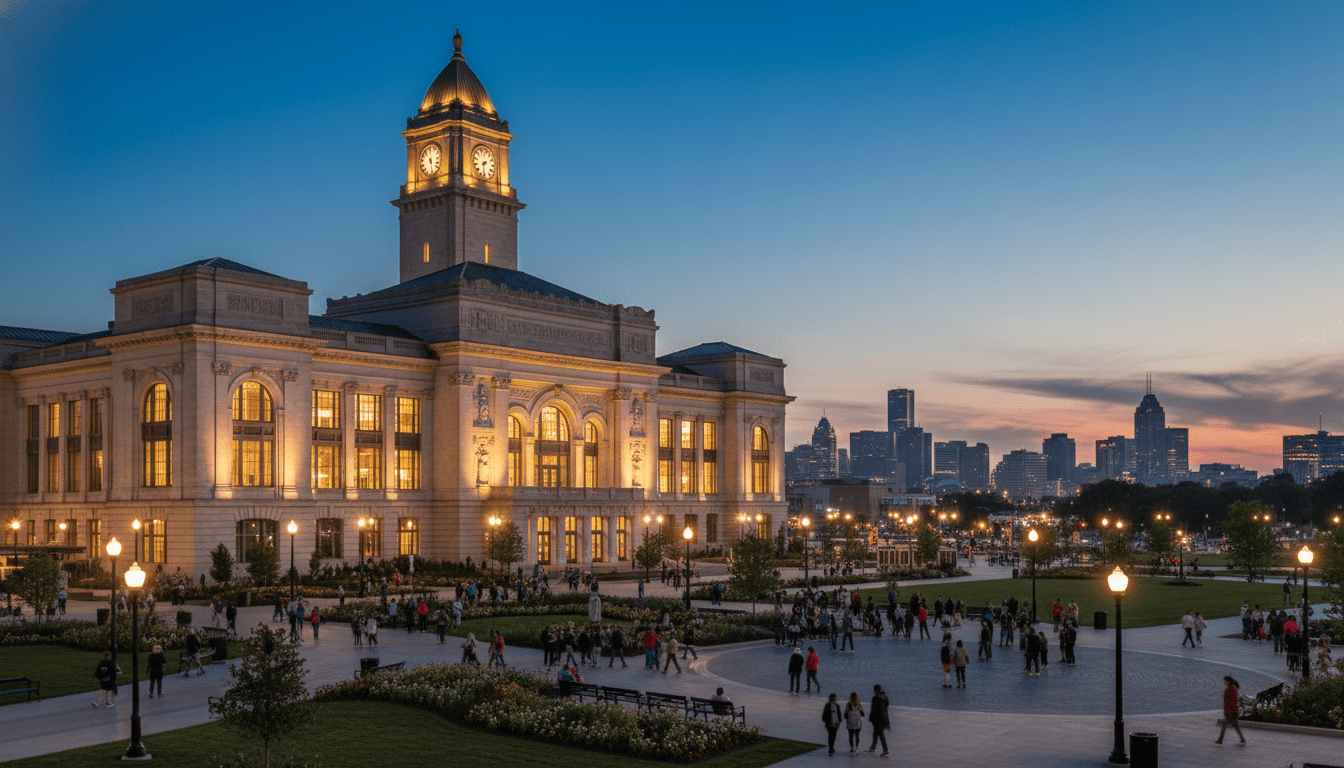
Following a six-year, multimillion-dollar restoration effort led by Ford Motor Company, the station has reopened its doors, not just as an office space, but as a cultural destination and a hub for the future of mobility. The project, which officially welcomed the public inside in mid-2024, marks one of the most significant historic preservation victories in American history.
“This isn’t just about a building. It’s about the future of our city,” said a representative from the Corktown Business Association during the initial reopening ceremonies. “To see the lights back on at Michigan Central Station is to see hope restored in the neighborhood.”
Restoring a Masterpiece
The scale of the restoration of Michigan Central Station is difficult to overstate. When Ford purchased the property in 2018, it was essentially a ruin. According to project architects involved in the rehabilitation, the goal was to retain the historic integrity of the 1913 structure while modernizing it for 21st-century use.
Teams of craftspeople spent over 1.7 million hours on the project. They sourced limestone from the same quarry in Indiana that supplied the original construction more than a century ago. The famous Guastavino tile vaulted ceilings in the Grand Hall, which had suffered extensive water damage, were painstakingly repaired or replaced. In total, Ford invested nearly $950 million into the station and the surrounding “mobility district.”
The ground floor now serves as a public gathering space, featuring retail and potential restaurant concepts, while the upper tower floors are being fitted for commercial tenants, including Google and Ford’s own electric vehicle and mobility teams.
Impact on Detroit Residents
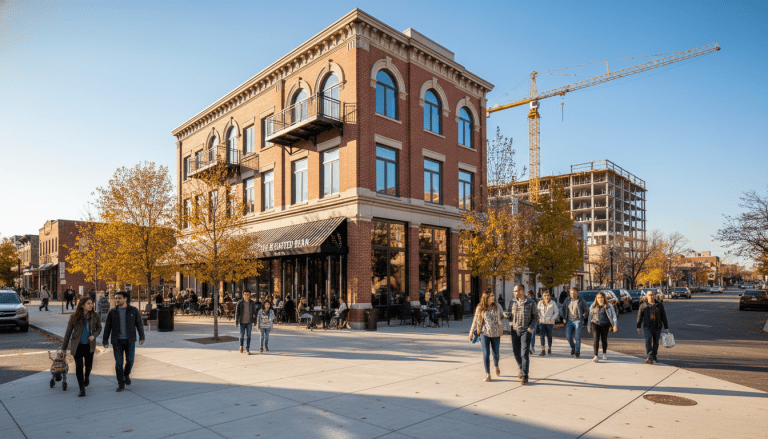
For locals, the resurrection of the station brings both excitement and questions about the future. The immediate impact on the surrounding Corktown neighborhood has been profound. Property values have risen, and new small businesses are opening along Michigan Avenue in anticipation of the influx of workers and tourists.
However, the project is not without its complexities. Long-time residents have expressed concerns regarding gentrification and housing affordability. In response, Ford and local government officials have emphasized a Community Benefits Agreement, which includes millions of dollars allocated for affordable housing, job training, and education programs for Detroit residents.
“The station belongs to Detroiters,” Bill Ford, Executive Chair of Ford Motor Company, has stated repeatedly in press briefings. The company has made a concerted effort to ensure the ground floor remains open to the public, allowing residents to walk through the Grand Hall without an appointment or an employee badge.
Background & Data
Constructed in 1913, Michigan Central Station was once the tallest train station in the world. It served as the primary passenger depot for Detroit until Amtrak ceased operations there in 1988. For 30 years, it sat vacant.
Data from the City of Detroit indicates that the reopening of the station is acting as a catalyst for regional investment. The broader 30-acre campus is expected to house 5,000 workers when fully occupied. This density is a crucial component of the city’s strategy to increase tax revenue and foot traffic in neighborhoods outside of the immediate downtown core.
Furthermore, the station serves as the anchor for the “Michigan Central Innovation District,” a partnership involving the State of Michigan, the City of Detroit, and private enterprise aimed at solidifying Detroit’s status as a leader in mobility technology. You can read more about the district’s specific goals on the official Michigan Central website.
What Happens Next
As 2025 approaches, the focus shifts from construction to activation. The station is beginning to host large-scale events, art installations, and technology demonstrations. The adjacent Roosevelt Park has also been redesigned and expanded, removing roadways to create a unified green space that connects the station to the neighborhood.
The success of the Michigan Central Station project serves as a case study for other rust-belt cities looking to repurpose industrial heritage sites. For Detroit, it is proof that even the most daunting ruins can be brought back to life.
For more updates on local developments, check out our coverage on Detroit business news and future city planning initiatives.