The landscape of professional basketball in Detroit is undergoing a profound transformation. After several seasons characterized by league-bottom finishes and a fluctuating sense of direction, the Detroit Pistons have embarked on a recalibrated rebuild strategy that is finally beginning to yield tangible optimism. This new chapter, led by President of Basketball Operations Trajan Langdon, seeks to move beyond the “revolving door” of lottery picks and establish a sustainable winning culture in the heart of the city.
A Shift in Front Office Philosophy
For several years, the Detroit Pistons rebuild was defined by a high-risk, high-reward approach focused almost exclusively on the draft. While that strategy yielded cornerstone talents, it often left the roster devoid of the veteran leadership necessary to guide a young squad through the rigors of an 82-game NBA season. According to reporting from the Detroit Free Press, the appointment of Trajan Langdon in May 2024 marked a departure from the previous administration’s methodology. Langdon, formerly with the New Orleans Pelicans, has emphasized a philosophy of “competitive development”—the idea that young players grow fastest when they are surrounded by competent, professional veterans.
This shift was evidenced by the off-season acquisitions of Tobias Harris, Malik Beasley, and Tim Hardaway Jr. These additions were not merely about adding scoring; they were calculated moves to improve spacing for the team’s primary creator, Cade Cunningham, and to provide a blueprint for the younger players on how to prepare like professionals. The Detroit Pistons are no longer just collecting assets; they are building a functional team.
Cade Cunningham and the Young Core
Central to the Pistons future is Cade Cunningham, who signed a five-year, $224 million maximum rookie scale contract extension during the 2024 off-season. The commitment to Cunningham as the face of the franchise provides the stability the organization has craved since the mid-2000s. Behind Cunningham, the development of young players like Jaden Ivey, Jalen Duren, and Ausar Thompson remains the barometer for the team’s ultimate ceiling.
Data from NBA.com/Stats indicates that the team’s offensive efficiency and turnover rates have shown incremental improvement during the early stages of the current campaign compared to the record-setting losing streaks of the previous year. New head coach J.B. Bickerstaff has been credited with implementing a more disciplined defensive scheme, an area where basketball Detroit teams have historically thrived. The defensive identity, rooted in the city’s “Bad Boys” history, is being modernized for today’s high-paced league.
Impact on Detroit Residents and the Local Economy
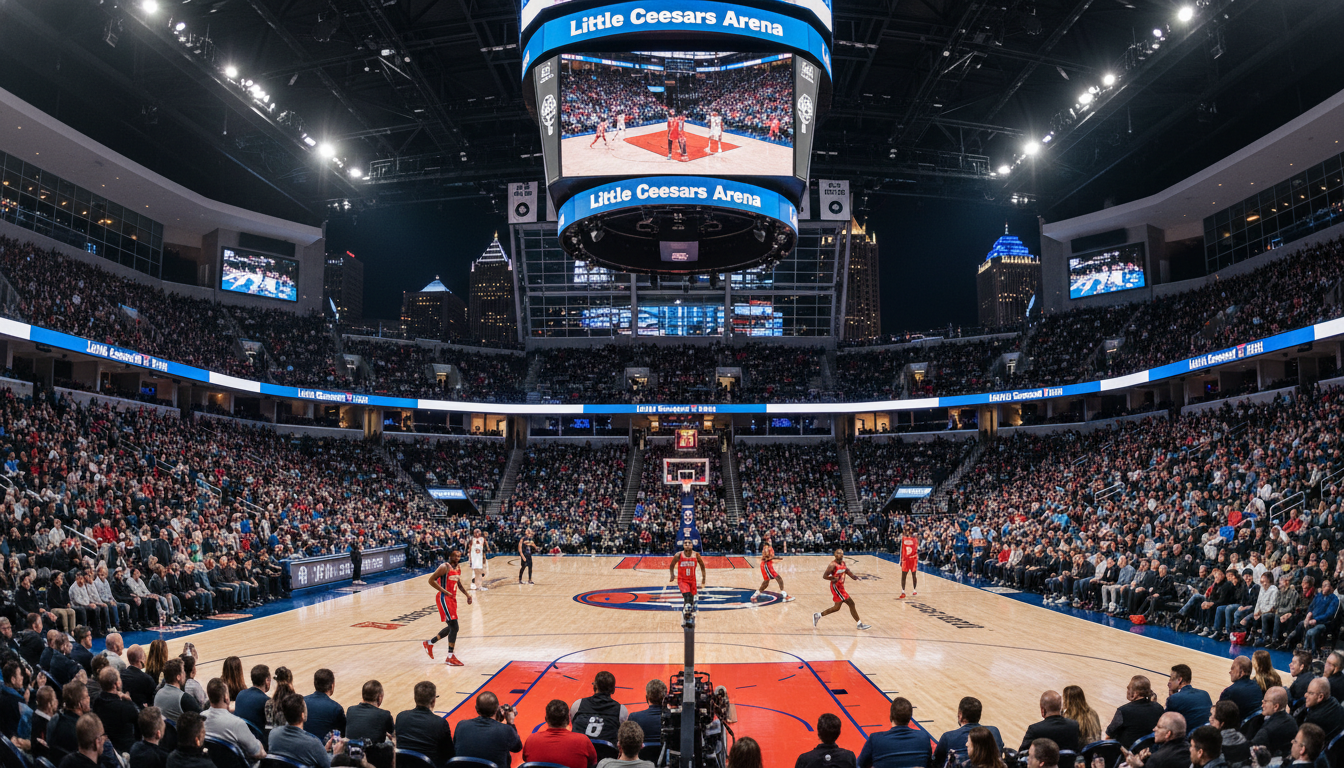
The success of the Detroit Pistons extends far beyond the hardwood of Little Caesars Arena. For the city of Detroit, a competitive basketball team serves as a vital economic engine for the District Detroit. When the Pistons are competitive, attendance rises, leading to increased foot traffic for local businesses, bars, and restaurants in the Midtown and Downtown corridors. Local business owners in the vicinity of Woodward Avenue have noted that game nights provide a significant boost to the local economy, particularly during the winter months when tourism typically dips.
Furthermore, the Pistons organization continues to invest heavily in the community. Through the Pistons Neighbors Program and various youth basketball clinics, the team maintains a presence in Detroit’s 313 neighborhoods. For residents, the team’s improvement represents more than just wins; it is a point of civic pride. “The energy in the arena changes when people believe the team has a real plan,” said a representative from a local fan association. “It’s about more than basketball; it’s about the spirit of the city.”
Background & Historical Context
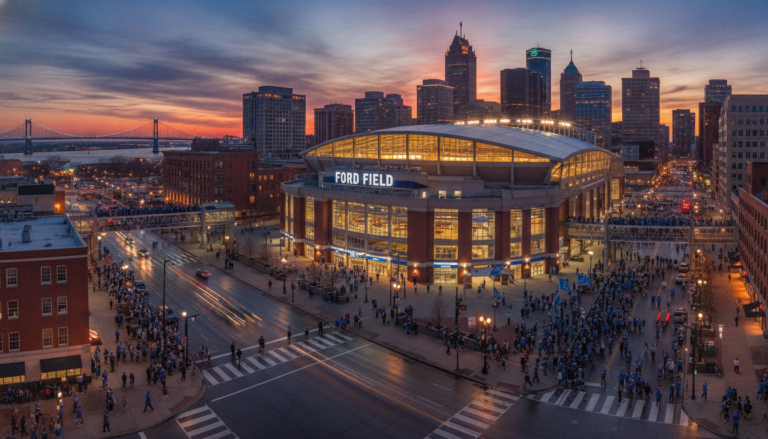
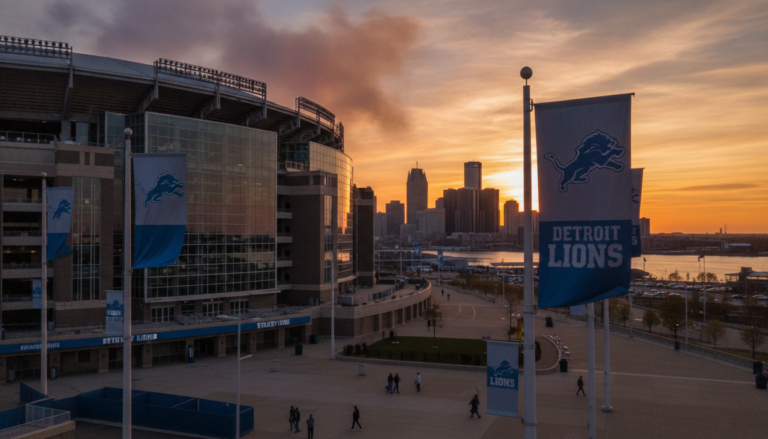
The road to this point has been arduous. Following the 2004 championship and a decade of dominance, the Pistons struggled to find an identity. The move from the Palace of Auburn Hills back to downtown Detroit in 2017 was intended to spark a resurgence, but the on-court product took several years to catch up to the state-of-the-art facility. According to data from the U.S. Census Bureau and local economic reports, the revitalization of Detroit’s core has been bolstered by the consolidation of all four major professional sports teams within the city limits, a feat few American cities can claim.
The current rebuild is arguably the most disciplined the franchise has seen in twenty years. Unlike previous attempts to “quick-fix” the roster through massive free-agent contracts that didn’t fit, the current front office is leveraging cap space to acquire draft capital while simultaneously improving the immediate product on the floor. This dual-track approach—improving now while keeping an eye on the future—is the hallmark of modern NBA success stories like Oklahoma City or Minnesota.
What Happens Next for the Pistons Future
Looking ahead, the Detroit Pistons rebuild strategy will face its toughest tests during the mid-season grind. The coaching staff must balance the minutes of veterans like Harris with the high-upside development of rookie Ron Holland II. The front office also holds significant trade flexibility, with several expiring contracts that could be used to acquire further assets or a disgruntled star should one become available.
Success for the Pistons this season is not necessarily measured by a championship, but by the establishment of a winning environment. If the young players continue to show growth and the team remains in the hunt for a Play-In tournament spot, the 2024-25 season will be viewed as the definitive turning point. For the fans of basketball Detroit, the long wait for a team that reflects the grit and resilience of the city may finally be coming to an end. For more updates on the city’s growth, visit our section on downtown business trends.