The Detroit Police Department (DPD) has announced a significant expansion of its collaborative task force operations, aiming to address persistent challenges in violent crime and automotive thefts across the city. This strategic pivot comes as law enforcement Detroit agencies seek to integrate more deeply with federal partners and regional state police units to streamline Detroit investigations and improve overall neighborhood security.
The Evolution of Multi-Agency Collaboration
For several months, the DPD has been quietly testing a high-intensity enforcement model in precincts that historically report the highest levels of violent crime. According to the City of Detroit’s latest public safety briefing, these operations involve a direct partnership with the Michigan State Police (MSP) and the Federal Bureau of Investigation (FBI). The goal is to create a seamless pipeline of information between local street patrols and federal investigators focusing on organized criminal rings.
Chief of Police James E. White has consistently emphasized that modern Detroit police cases require a data-driven approach. By utilizing the Real-Time Crime Center (RTCC), officers can now track suspect vehicles across city lines more effectively than in previous years. This technological leap is a cornerstone of the department’s strategy to reduce the response time for active shooter calls and reported carjackings.
Impact on Detroit Residents
For residents living in neighborhoods like Brightmoor and the North End, the visible increase in patrols has met with a mix of cautious optimism and requests for continued transparency. The expansion of these task forces is not merely about increasing arrests; it is about reclaiming public spaces that have been plagued by illegal activity. Improving public safety Detroit initiatives often requires a balance between aggressive enforcement and community trust.
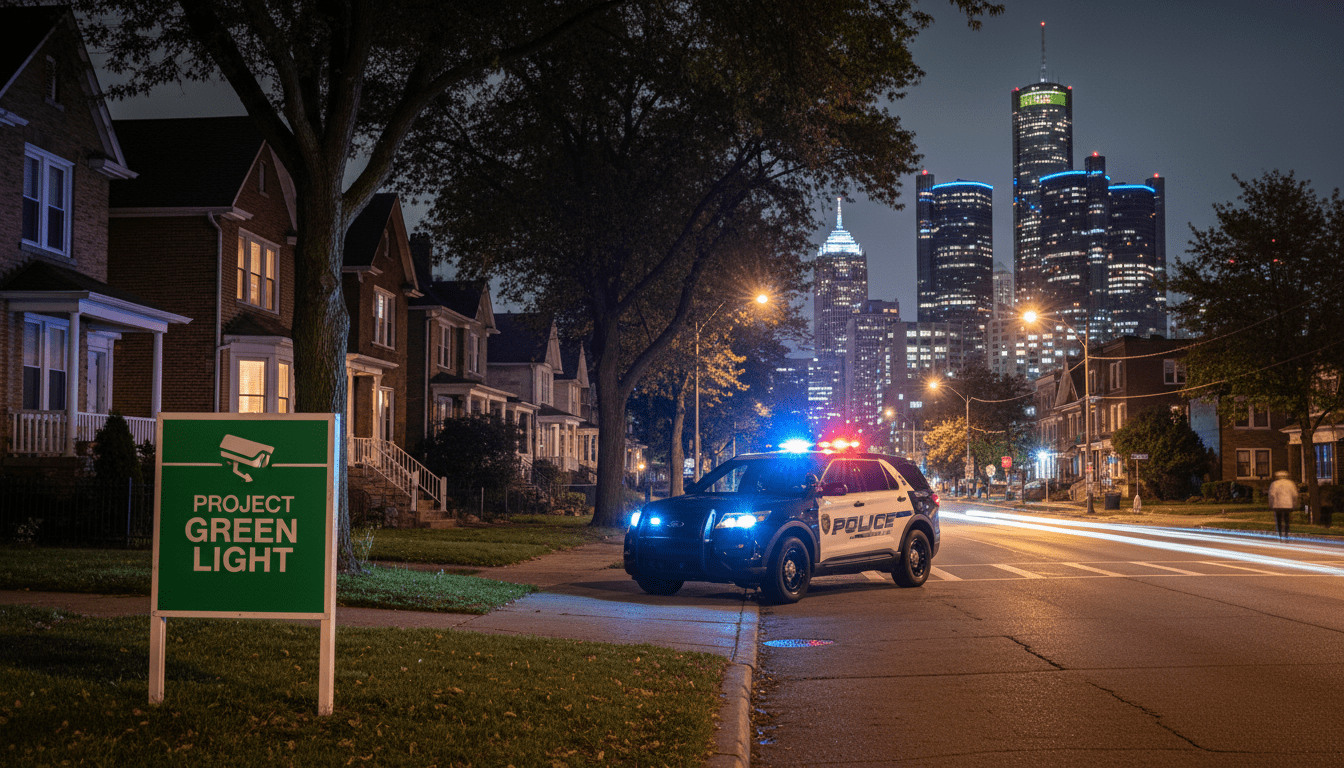
Local business owners, particularly those participating in the Project Green Light program, have reported that the presence of multi-agency task forces provides a necessary deterrent for late-night criminal activity. As more resources are directed toward Detroit business growth areas, the spillover effect on neighborhood safety becomes more pronounced. Residents are encouraged to participate in monthly precinct meetings to provide feedback on how these increased patrols are affecting their quality of life.
Background & Data: Understanding the Shift
The move toward these specialized units is supported by recent data trends. According to the Detroit Police Department’s 2023 Year-End Crime Statistics, while there was a reported decrease in certain categories of homicide, carjackings and non-fatal shootings remained at levels that necessitated a shift in resource allocation. Data from the U.S. Department of Justice’s Project Safe Neighborhoods (PSN) suggests that high-frequency, targeted enforcement in specific “hot spots” is more effective at reducing violent crime than broad-based patrolling.
Furthermore, the integration of law enforcement Detroit resources allows for better handling of complex cases that cross jurisdictional boundaries. Often, crime news Detroit outlets highlight incidents where suspects flee into neighboring municipalities like Dearborn or Warren. The multi-agency task force model eliminates the bureaucratic hurdles that once slowed down cross-city pursuits and evidence sharing. This approach is similar to successful models implemented in other major metropolitan areas facing similar urban challenges.
The Role of Technology in Detroit Investigations
A major component of these task force expansions is the reliance on advanced investigative tools. The use of automated license plate readers (ALPRs) and expanded surveillance through the Green Light program has generated critical leads in high-profile Detroit police cases. These tools allow investigators to reconstruct the movements of suspects before and after a crime is committed, providing prosecutors with more robust evidence packages.
According to reports from the Detroit Police Department, the RTCC now monitors thousands of camera feeds, which are integrated with 911 dispatch systems. When a crime is reported, analysts can immediately pull relevant footage to identify suspect descriptions and escape routes. This proactive stance is designed to shorten the lifespan of criminal investigations and increase the clearance rate for violent crimes.
Challenges and Future Outlook
Despite the technological and collaborative advancements, the department faces challenges regarding staffing and civil liberties. Advocacy groups have raised questions about the privacy implications of expanded surveillance, urging the city to maintain strict oversight of how data is collected and stored. Law enforcement officials have countered that the software is used strictly for identifying criminal actors and that the primary focus remains on public safety Detroit goals.
Looking ahead, the DPD plans to further integrate mental health professionals into their response teams. Recognizing that not every call for service requires a tactical response, the department is training specialized units to handle crisis intervention. This holistic approach aims to reduce the burden on police officers while ensuring that residents in crisis receive the appropriate care. As the city continues to see Detroit neighborhood development, the safety strategies must evolve to protect both new investments and long-time residents.
What Happens Next
In the coming months, the City Council is expected to review the budget for the next phase of the task force expansion. This will likely include funding for additional personnel and updated forensic equipment for the department’s crime lab. Residents can expect to see more frequent updates during the Mayor’s community meetings, where crime statistics and task force outcomes are regularly discussed.
The success of these initiatives will ultimately be measured by the sustained reduction of violent crime and the revitalization of neighborhoods that have long felt underserved by law enforcement. As Detroit continues its economic recovery, the stability provided by a robust and fair public safety system remains a top priority for city leadership and the community at large.