The landscape of the Detroit hospitality sector is undergoing a profound transformation as a wave of high-capital developments prepares to reach fruition. As the city moves toward a new era of urban density, the influx of new restaurants in Detroit is no longer just about filling storefronts; it is about anchoring multi-billion dollar real estate projects that are reshaping the skyline. Industry analysts and urban planners are now looking toward the Detroit food scene 2026 as a critical milestone for the city’s post-pandemic economic recovery.
Strategic Growth in Corktown and Midtown
The concentration of hospitality investment is currently centered around the Michigan Central innovation district and the Bedrock-led developments downtown. According to the Detroit Economic Growth Corporation (DEGC), the strategy for 2026 focuses on creating a sustainable mix of homegrown talent and international hospitality brands. This dual-track approach aims to solidify Detroit’s reputation as a premier culinary destination in the Midwest.
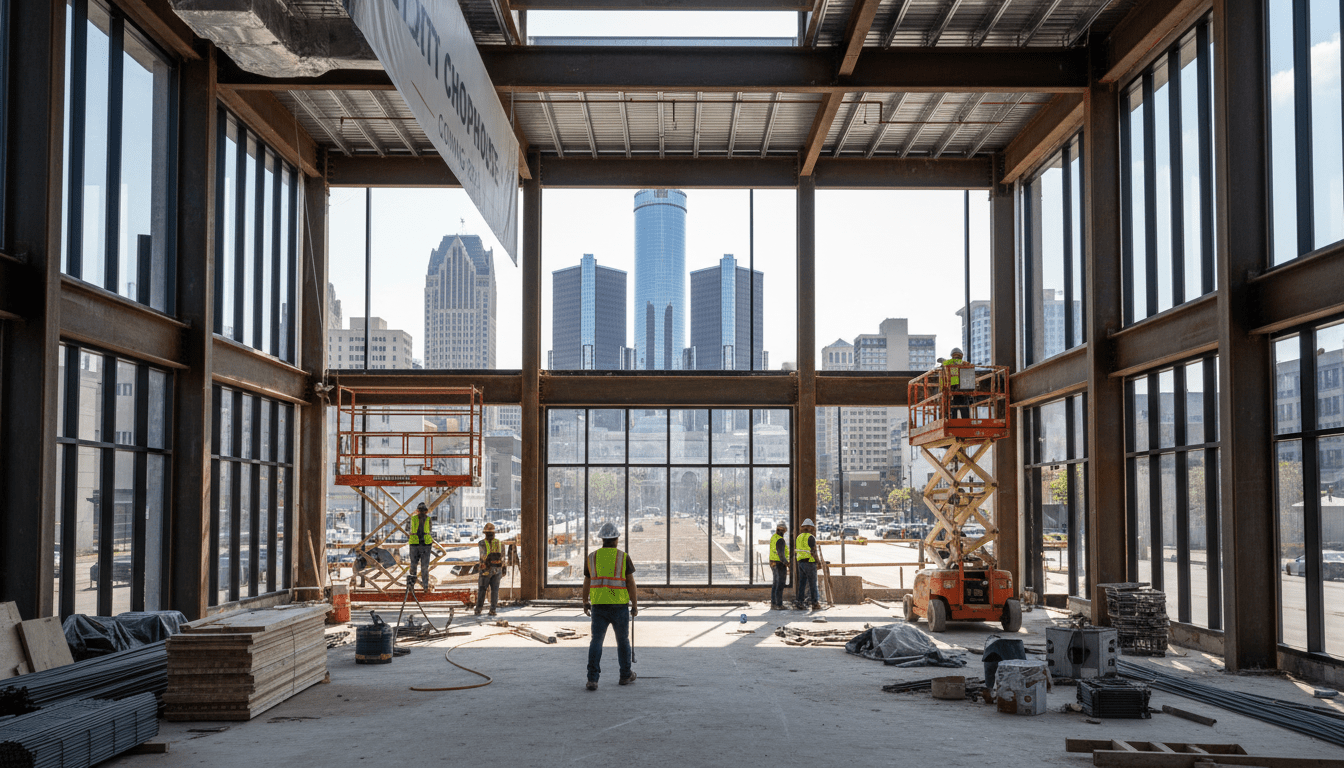
In Corktown, the completion of the Roosevelt Park renovations has already acted as a catalyst for developers. Recent filings with the Detroit City Planning Commission indicate that several mixed-use buildings scheduled for 2026 completion will dedicate more than 40,000 square feet to food and beverage operations. These developments are expected to feature a blend of fast-casual concepts and fine-dining establishments designed to serve both the growing tech workforce and long-term residents. You can read more about ongoing neighborhood development updates on our dedicated community page.
The Role of Public-Private Partnerships
The Michigan Restaurant & Lodging Association (MRLA) has noted that the stability of the Detroit food scene 2026 will depend largely on the continued success of public-private partnerships. Programs such as Motor City Match have been instrumental in providing the necessary capital for local entrepreneurs to compete with larger national chains. Data from the MRLA suggests that while labor costs remain a concern, the demand for unique dining experiences in Detroit continues to outpace many other metropolitan areas in the Great Lakes region.
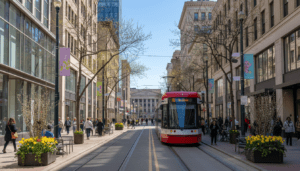
Public records show that the City of Detroit has streamlined the permitting process for outdoor dining and permanent patio structures, a move that officials believe will increase the revenue potential for new restaurants in Detroit. By the time the 2026 season arrives, the city expects to have over 100 newly licensed outdoor dining spaces, further integrating the culinary scene with Detroit’s evolving streetscapes. Information regarding the city’s latest economic strategies can be found on the official Detroit Economic Growth Corporation website.
Impact on Detroit Residents
The expansion of the hospitality industry has significant implications for local employment and neighborhood identity. For many residents, the primary concern is whether these new developments will provide living-wage jobs and remain accessible to the community. Local business owners in the Livernois Avenue of Fashion district have emphasized that the success of the Detroit food scene 2026 must be measured not just by prestige, but by its ability to foster local wealth.
Economists at Wayne State University suggest that the hospitality boom could generate upwards of 3,000 new jobs by 2026. However, they also caution that the city must invest in transit infrastructure to ensure that workers from all zip codes can access these opportunities. Current discussions in the City Council are focusing on how to integrate the Detroit economic outlook with improved bus routes and micro-mobility options to support the late-night shifts typical of the restaurant industry.
Background & Data: The Economic Engine
Historical data from the U.S. Census Bureau highlights a steady increase in the number of hospitality permits issued in Wayne County over the last three fiscal years. This trend is expected to peak in 2026 as several marquee projects, including the Hudson’s site redevelopment, open their doors. The Hudson’s project alone is slated to introduce a curated collection of dining venues that will serve as a bellwether for the luxury market in the city.
The shift toward high-concept dining is also reflected in the real estate market. Average commercial rent for restaurant-ready spaces in the downtown core has seen a moderate but consistent rise. To mitigate the risk of displacement for smaller operators, the city is exploring “legacy business” protections, which would provide tax incentives for restaurants that have served their communities for over 20 years, ensuring they remain part of the landscape alongside the new restaurants in Detroit.
What Happens Next
As Detroit prepares for the 2026 horizon, the focus is shifting toward long-term sustainability. Experts believe that the next two years will be a period of intense construction and conceptualization. The Detroit food scene 2026 will likely be defined by its resilience and its ability to blend the city’s industrial heritage with modern culinary innovation. For residents and visitors alike, the coming years promise a more diverse, vibrant, and economically integrated city.
The City of Detroit is expected to release a comprehensive hospitality master plan later this year, which will provide further clarity on zoning and infrastructure support. Until then, the momentum continues to build, signaling a robust future for one of Detroit’s most vital economic sectors.