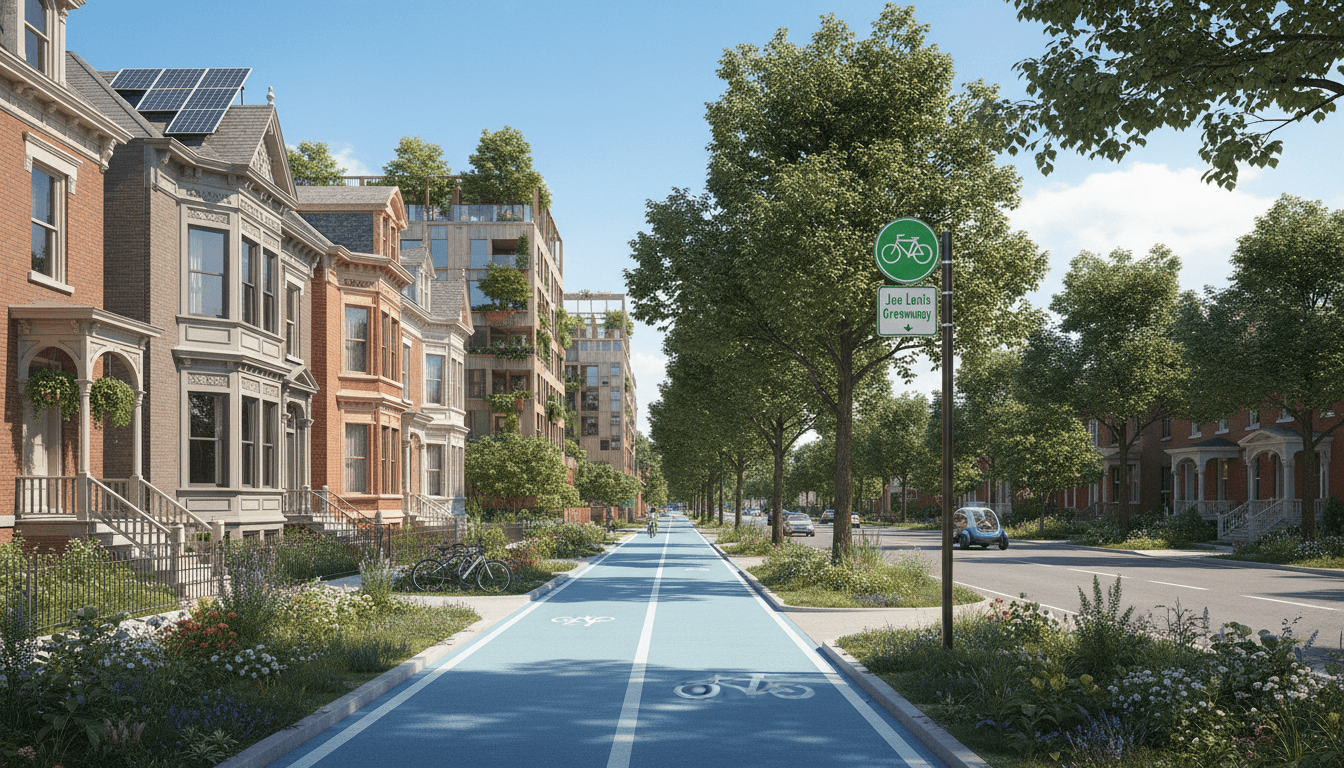
As 2026 begins, Detroit’s residential landscape is undergoing its most significant structural transformation in decades. The city’s evolution from a traditional urban sprawl model to a series of transit-oriented, high-density nodes is fundamentally altering the Detroit neighborhoods ranking for prospective residents and investors alike. Driven by the near-completion of the Joe Louis Greenway and the expansion of the Strategic Neighborhood Fund, the criteria for the best places to live Detroit have shifted toward walkability, sustainable infrastructure, and proximity to mixed-use developments.
The Shift Toward Transit-Oriented Development
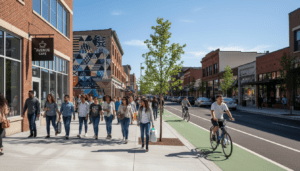
For decades, Detroit’s real estate market was defined by isolated pockets of revitalization. However, according to recent reports from the City of Detroit Planning and Development Department, the current strategy emphasizes connectivity. The completion of major segments of the Joe Louis Greenway—a 27.5-mile loop—has turned historically overlooked areas into some of the most sought-after corridors in the city. Neighborhoods like Livenois-McNichols and the North End have seen a surge in residential applications as developers prioritize areas with dedicated cycling and pedestrian infrastructure.
Data from the Southeast Michigan Council of Governments (SEMCOG) indicates that residential density in these transit corridors has increased by 12% over the last 24 months. This trend is largely supported by the city’s commitment to “20-minute neighborhoods,” a planning concept where residents can access essential services within a short walk or bike ride from their homes. This focus on accessibility is a primary driver in the current best places to live Detroit metrics.
Top Tier Localities: The 2026 Detroit Neighborhoods Ranking
In the current market, Corktown remains a dominant force, bolstered by the full operational capacity of the Michigan Central innovation district. The area has transitioned from a construction zone into a mature tech hub, attracting a demographic of high-earning professionals. However, the ranking is seeing new entries from the city’s east side. The Jefferson-Chalmers district, following extensive city investment in water infrastructure and canal restoration, has emerged as a premier destination for those seeking waterfront living without the downtown price tag.
Furthermore, the University District and Bagley continue to hold strong positions in the Detroit neighborhoods ranking due to their architectural integrity and proximity to the growing retail presence on the Avenue of Fashion. Unlike the rapid turnover seen in some emerging markets, these areas offer long-term stability that appeals to established families and academic professionals. For more information on historical housing trends, readers can view our previous coverage on Detroit real estate trends.
Impact on Detroit Residents
While the revitalization of these neighborhoods brings increased property values and improved city services, it also presents challenges regarding affordability. The City of Detroit has implemented several programs to mitigate displacement, including the Senior Citizen Property Tax Exemption and various affordable housing mandates for new developments receiving public subsidies. Local community leaders emphasize that the “best” neighborhood is one that remains inclusive of its legacy residents.
“We are seeing a dual-track development,” says a representative from a local housing advocacy group. “While new residents are looking for luxury lofts and proximity to the Greenway, our priority remains ensuring that long-term Detroiters benefit from the improved lighting, paved roads, and new grocery stores that come with this growth.” This social dynamic is a critical factor for anyone researching the best places to live Detroit, as community cohesion varies significantly across the city’s 139 square miles.
Background & Data: Economic Indicators for 2026
The economic foundation of these neighborhood shifts is supported by a steady increase in the city’s income tax revenue and a stabilizing population. According to the U.S. Census Bureau, Detroit has shown a consistent trend of reversing mid-century population declines in specific high-growth zip codes. The 48201 and 48216 areas, covering Midtown and Corktown respectively, have maintained occupancy rates above 95% for the third consecutive year.
Additionally, the commercial vacancy rate in neighborhood secondary corridors has dropped by 18% since 2024. This commercial growth is essential for residential desirability. When a neighborhood gains a hardware store, a pharmacy, and a local cafe, its ranking as a viable place to live increases substantially. This holistic growth is what distinguishes the 2026 market from the speculative buying seen a decade ago. For those tracking these changes, our transportation updates provide deeper context on how new transit lines are fueling this commercial interest.
What Happens Next
Looking toward the remainder of 2026 and into 2027, the City of Detroit is expected to announce the next phase of the Strategic Neighborhood Fund, which will likely target the Northwest and Far East sides. These areas are currently categorized as “emerging” in most Detroit neighborhoods ranking reports but offer the highest potential for value appreciation. The continued expansion of the QLine and potential regional transit agreements remain the variables that could further disrupt the current rankings.
For prospective residents, the advice from urban planners is clear: look to the infrastructure. Areas where the city is actively investing in lead service line replacement and streetscape improvements are the most likely to sustain growth. As Detroit continues to densify, the definition of the best places to live Detroit will continue to evolve from mere geographic locations to lifestyle choices centered on community, connectivity, and sustainability.