As the City of Detroit approaches the midpoint of the decade, the administration and local housing advocates are recalibrating their strategies to address a looming challenge in the residential market. With 2026 set as a benchmark year for several long-term development goals, new affordable housing initiatives in Detroit are undergoing a significant shift: moving from a primary focus on new construction to an aggressive strategy of preservation and deeper affordability.
For years, the headline story in Detroit real estate has been the resurgence of Downtown and Midtown. However, data from the City’s Housing & Revitalization Department (HRD) suggests that the battle for affordability is moving into the neighborhoods, where thousands of regulated affordable units face the expiration of their tax credits over the next two years.
City officials have indicated that the policies taking shape for 2026 will prioritize protecting long-term residents from displacement as market rates continue to climb. This strategic pivot aims to secure the housing stability of thousands of Detroiters who rely on Low-Income Housing Tax Credit (LIHTC) properties.
The 2026 ‘Preservation Cliff’
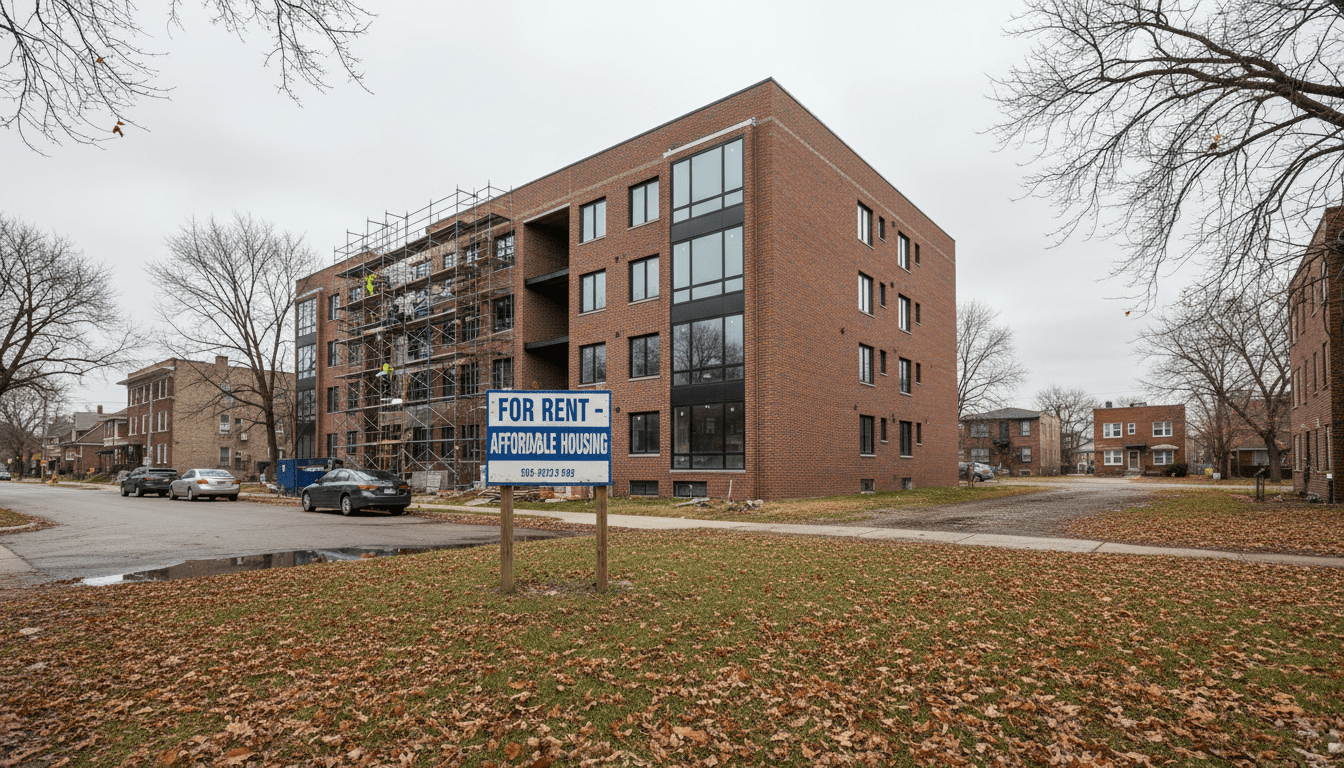
One of the primary drivers for the updated affordable housing initiatives in Detroit is the so-called “preservation cliff.” Many affordable housing developments built or renovated in the 1990s and early 2000s are approaching the end of their compliance periods in 2026. Once these periods expire, property owners could theoretically convert units to market-rate rentals, potentially displacing low-income tenants.
According to recent reports presented to the City Council, the administration is actively working with the Detroit Housing for the Future Fund (DHFF) to secure financing that incentivizes landlords to renew affordability covenants. The goal is to lock in below-market rates for another 15 to 30 years.
Julie Schneider, director of the HRD, has previously emphasized that preservation is often more cost-effective than new construction. Renovating an existing apartment complex allows the city to maintain density and neighborhood fabric without the high material costs associated with ground-up developments.
Impact on Detroit Residents and AMI Levels
For the average resident, the metric that matters most is Area Median Income (AMI). A persistent criticism of past affordable housing initiatives in Detroit was that “affordable” was defined by regional standards (which include wealthy suburbs) rather than the specific economic reality of Detroit city limits.
Looking toward 2026, there is a concerted push to deepen affordability levels. While previous projects often targeted residents earning 80% of the AMI, new guidelines and funding priorities are increasingly targeting households at or below 50% and 30% AMI. This shift is crucial for seniors and service industry workers whose wages have not kept pace with inflation.
Local housing advocacy groups have long argued that 80% AMI units are effectively market-rate in many Detroit neighborhoods. The Detroit neighborhood revitalization efforts planned for the next two years are expected to include stricter requirements for developers receiving public subsidies, mandating a higher percentage of deeply affordable units.
Zoning and Policy Changes on the Horizon
To support these initiatives, the city is also reviewing zoning ordinances that could facilitate more density in single-family zones, a strategy often referred to as “missing middle” housing. By 2026, residents may see an increase in duplexes and quadplexes being renovated or built on vacant land, providing more diverse housing stock.
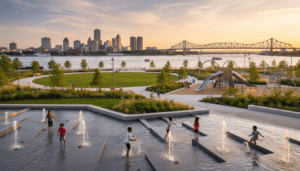
Furthermore, the city is expanding its utilization of the Affordable Housing Leverage Fund. This public-private partnership is designed to bridge the financial gap for developers who commit to affordability. The fund is expected to play a critical role in the downtown development projects slated for completion in 2026, ensuring that the city’s comeback includes housing options for all income levels.
“The focus is shifting from simply counting the number of units built to ensuring those units remain accessible to the people who stayed in Detroit through the hardest times,” said a representative from a local community development corporation during a recent planning meeting.
The Role of Federal and State Funding
The landscape for affordable housing initiatives in Detroit is also being shaped by external funding sources. With the state of Michigan allocating renewed focus on housing stability, Detroit is positioning itself to capture significant grants aimed at energy efficiency upgrades for affordable units.
By 2026, new environmental standards will likely be attached to affordable housing funding. This means that renovated units will not only be affordable in terms of rent but will also feature lower utility costs due to better insulation, modern HVAC systems, and lead abatement. This holistic approach addresses the “total cost of occupancy,” a critical factor for low-income households.
Data from the U.S. Census Bureau indicates that Detroit’s housing stock is among the oldest in the nation, making these energy-efficient retrofits vital for the health and financial well-being of residents.
What Happens Next?
As 2026 draws closer, developers and city officials are in a race against time and rising interest rates. The success of these initiatives will largely depend on the city’s ability to streamline the approval process and the continued cooperation between public agencies and private philanthropic organizations.
For Detroiters, the changing landscape promises more stability, provided the city can successfully execute its preservation strategy. The upcoming years will test whether Detroit can serve as a national model for inclusive urban revitalization, proving that economic growth does not have to come at the cost of displacement.