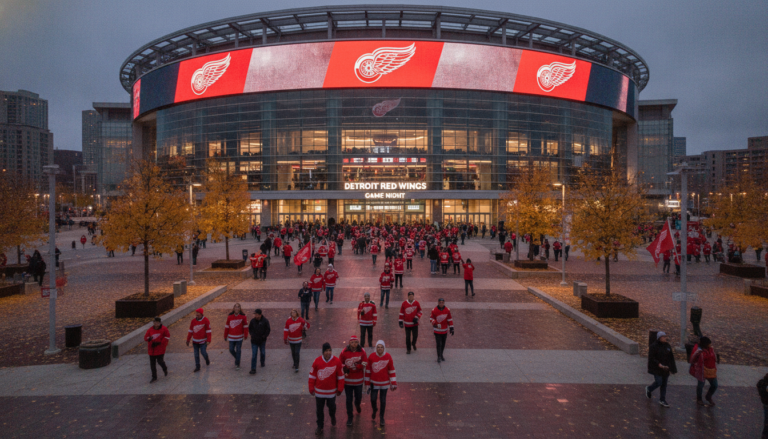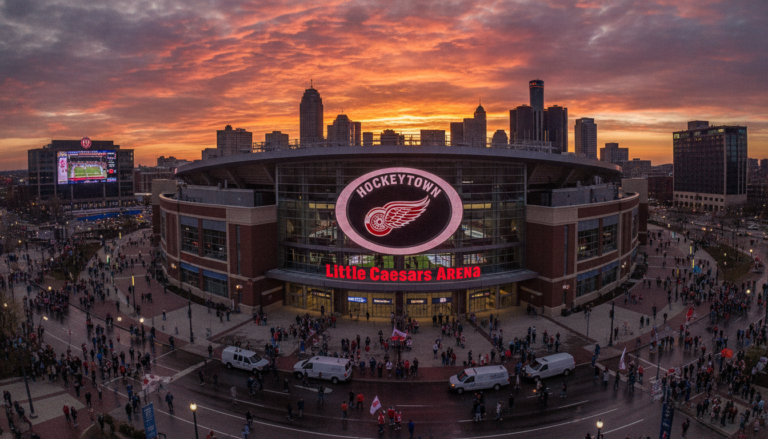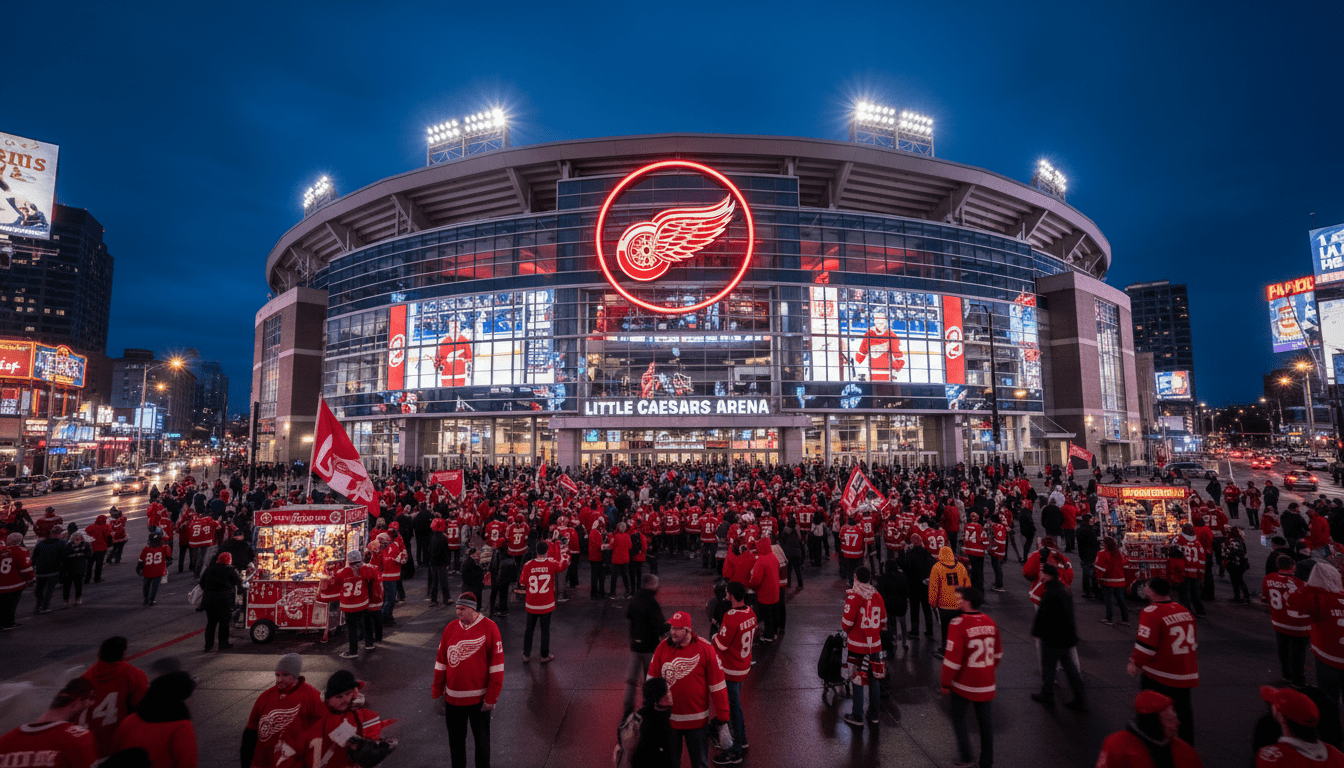
The roar is returning to Little Caesars Arena, and with it, a significant shift in the economics of attending a hockey game in downtown Detroit. As the Detroit Red Wings push closer to ending their playoff drought, demand for Red Wings tickets has spiked, creating a new reality for fans accustomed to the lower prices of the rebuilding years.
For nearly a decade, ticket availability was ample as the franchise underwent a rigorous restructuring under General Manager Steve Yzerman. However, as the team’s on-ice performance improves, data indicates a tightening market that reflects both the team’s success and the broader evolution of the District Detroit’s entertainment economy.
The Economics of the “Yzerplan”
The correlation between winning and ticket valuation is a staple of sports economics, but the current trend in Detroit is particularly sharp due to the length of the team’s reconstruction phase. According to attendance data published by ESPN and NHL reports, Little Caesars Arena has seen a steady increase in capacity percentages throughout the current season compared to the previous three years.
This resurgence is driving prices up not just at the box office, but significantly on the secondary market. Fans looking for Red Wings tickets for weekend matchups against Original Six rivals are finding prices that rival the peak years of the Joe Louis Arena era, albeit adjusted for inflation.
“The market reacts instantly to the standings,” noted a report on sports hospitality trends. “When a team moves from ‘rebuilding’ to ‘contending,’ the dynamic pricing algorithms used by major venues adjust almost daily. In Detroit, where the fanbase is historically passionate, that elasticity is very high.”
Dynamic Pricing and the Box Office
One of the most significant changes for long-time fans is the entrenchment of dynamic pricing models. Unlike the flat-rate ticket structures of the past, prices for single-game seats now fluctuate based on demand, opponent, day of the week, and even the time of purchase.
According to Olympia Entertainment’s ticketing platforms, games against high-profile opponents like the Toronto Maple Leafs or Boston Bruins command a significant premium. For Detroit residents, this means that planning ahead is no longer just a convenience—it is a financial necessity.
Industry analysts point out that this model maximizes revenue for the franchise, which is crucial for funding player contracts in a salary-cap league. However, it introduces volatility for the consumer. A Tuesday night game against a Western Conference team might remain affordable, while a Saturday night divisional clash can see face-value prices double within weeks of the puck drop.
Impact on Detroit Residents and Families
For local families, the rising cost of Red Wings tickets presents a complex challenge. While the atmosphere at Little Caesars Arena is undeniably electric, the “Fan Cost Index”—a metric that includes tickets, parking, and concessions—has risen.
“We used to grab tickets on the day of the game for $30 during the rebuild,” said local resident and long-time fan Marcus Davis, interviewed outside the arena district. “Now, even the upper bowl seats for a weekend game require serious budgeting. It’s great the team is winning, but it definitely changes how often we can bring the kids.”
This sentiment echoes a broader conversation regarding downtown Detroit development. As the District Detroit continues to grow with new restaurants, hotels, and luxury housing, the cost of participating in downtown culture is adjusting to match the increased demand.
Local business owners in the Woodward corridor, however, view the ticket surge as a positive economic indicator. Restaurants and bars near the arena report significantly higher foot traffic on game nights when the team is competitive. “A sold-out arena means a full dining room,” noted the manager of a nearby sports bar. “When tickets are in high demand, people arrive earlier and stay later.”
The Secondary Market Reality
A substantial portion of the ticket inventory now moves through secondary marketplaces like StubHub, SeatGeek, and Vivid Seats. Data from these platforms suggests that Detroit is currently one of the hotter markets in the NHL regarding year-over-year price growth.
For fans unable to secure season ticket packages, the secondary market is often the only option. However, this comes with fees that can add 20% to 30% to the listed price. Consumer advocacy groups have long warned about the opacity of these fees, urging fans to look for “all-in” pricing toggles when browsing.
Furthermore, the shift toward mobile-only entry has eliminated the street-level scalping of the past, digitizing the entire transaction process. This ensures valid entry and reduces fraud, but it also creates a barrier for those less comfortable with digital wallets and app-based transfers.
What Happens Next?
If the Red Wings secure a playoff spot, analysts predict a dramatic escalation in ticket prices. Playoff hockey has not been seen in Detroit since the team moved to Little Caesars Arena, creating a pent-up demand that could result in record-breaking gate revenues.
For now, the advice for fans is strategic: target mid-week games, utilize verified resale options carefully, and monitor the Detroit transportation updates to save on parking costs by using the QLine or People Mover.
As the franchise stabilizes into a perennial contender, the days of bargain-bin seats appear to be over. The cost of admission is rising, but for a city starved for a winner, the price is one many are increasingly willing to pay.