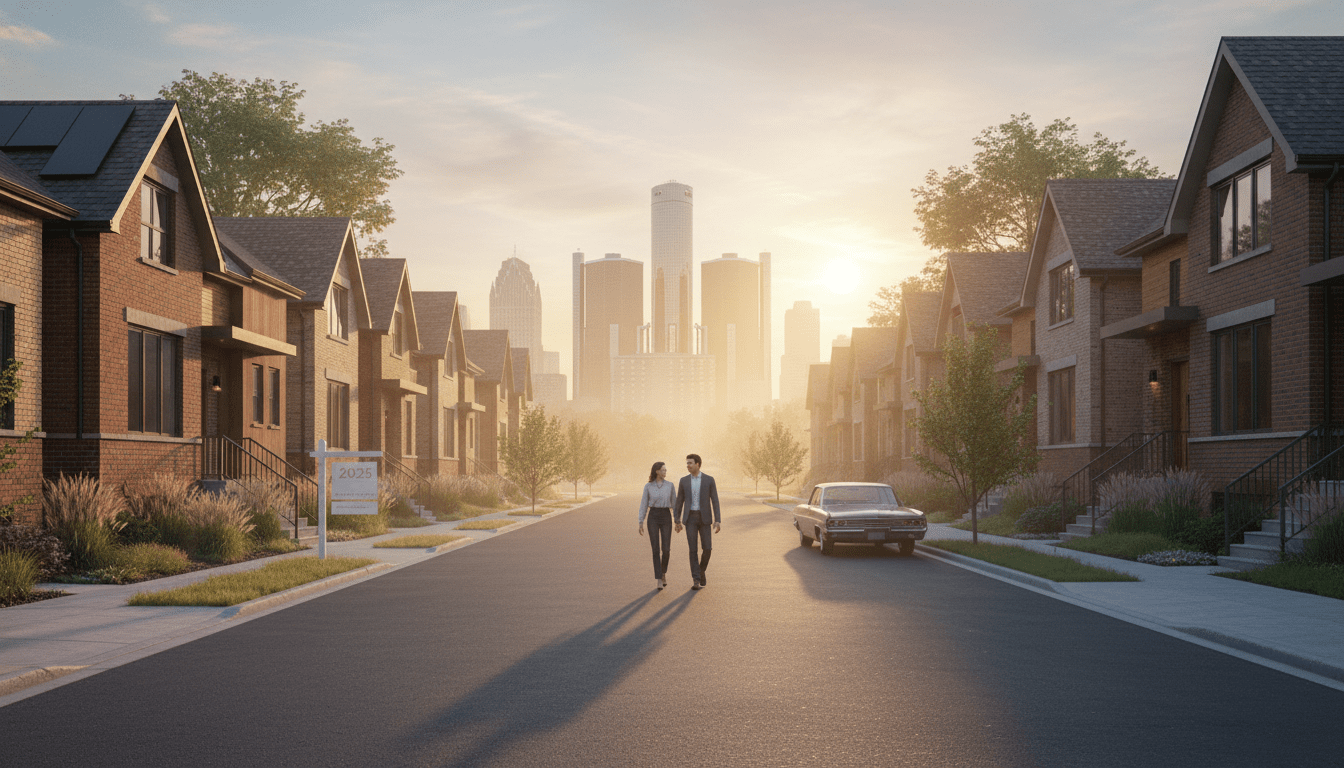
As Detroit moves into 2025, the city’s housing market is shifting from the volatile spikes seen in the post-pandemic years toward a period of stabilization and strategic growth. For investors and residents alike, understanding the emerging Detroit real estate trends is crucial for navigating a landscape defined by evolving neighborhood dynamics and major infrastructure projects.
While the national conversation often centers on high interest rates, Detroit remains a unique case study in resilience. The days of unseen bidding wars may be cooling, but the demand for quality housing in both the greater downtown area and revitalized neighborhoods continues to drive the market forward.
Inventory and Pricing Stabilization
One of the most defining Detroit real estate trends for 2025 is the normalization of inventory levels. Throughout 2023 and 2024, distinct shortages in move-in ready homes drove prices upward. However, data from late 2024 suggests a leveling off as new developments come online and the renovation of existing stock accelerates.
According to recent reports from the City of Detroit Housing and Revitalization Department, the pipeline of affordable and market-rate units has expanded significantly. This increase in supply is expected to temper the rapid appreciation rates seen in previous years, creating a more balanced market for buyers.
“We are seeing a market that is becoming healthier,” said a representative from a local housing advocacy group. “The frenzy is subsiding, allowing for more thoughtful investment and giving first-time homebuyers a slightly better chance at entering the market, provided interest rates stabilize.”
Impact on Detroit Residents
For longtime Detroiters, these shifting trends present a mixed bag of opportunities and challenges. The stabilization of home values is good news for property tax predictability, a historically contentious issue in the city. However, as investment spreads from the downtown core into neighborhoods like Dexter-Linwood and Banglatown, the risk of displacement remains a focal point for community leaders.
Rising rents continue to pressure working-class families. While new developments often include mandated affordable units, the gap between market-rate rents and local median income persists. Residents are encouraged to monitor updates on property tax assessments to ensure they are utilizing available exemptions, such as the HOPE exemption, to remain in their homes as values rise.
Major Developments Driving Value
The completion of major anchor projects is heavily influencing Detroit real estate trends heading into 2025. The Michigan Central Station innovation hub in Corktown has solidified the area’s status as a premium market, rippling out into Southwest Detroit. Similarly, the progress on the Hudson’s site downtown has buoyed confidence in the Central Business District.
Investors are now looking beyond these established zones. Areas along the Joe Louis Greenway are seeing increased speculation. As connecting infrastructure improves, the accessibility of neighborhoods previously considered isolated is changing, making them more attractive for rehabilitation projects.
For more on how infrastructure is reshaping local commerce, read our coverage on commercial corridor expansion in Detroit.
Background & Market Data
Data from regional listing services indicates that while the median sales price in Detroit has risen consistently over the last five years, the pace is decelerating to a sustainable 3-5% annual growth rate projected for 2025. This contrasts sharply with the double-digit jumps seen in 2021.
The University of Michigan’s economic outlook for the region suggests that while employment numbers in Detroit have improved, wage growth must keep pace with housing costs to maintain market liquidity. Without wage growth, the ceiling for rental and sales prices in the neighborhoods may be reached sooner than developers anticipate.
What Happens Next
Looking ahead, the focus for 2025 will likely be on “middle housing”—duplexes and small multi-family units that offer density without the footprint of large apartment complexes. City planners and developers are increasingly viewing this as the solution to the inventory crunch.
For investors, the signal is clear: the era of easy flips is fading. The market now rewards long-term holding strategies and high-quality renovations that appeal to a discerning tenant base. As Detroit continues its trajectory of revitalization, the Detroit real estate trends of 2025 point toward a mature, albeit cautious, marketplace.