DETROIT — Tensions escalated sharply across Metro Detroit this morning following confirmation that President Donald Trump has overseen a series of targeted U.S. military strikes on Iranian infrastructure. Operating from his Mar-a-Lago estate in Florida, the President reportedly coordinated the operation following a high-stakes secure call with Israeli Prime Minister Benjamin Netanyahu. The military action, which targets key strategic sites in Iran, has sent shockwaves through the geopolitical landscape and is being felt acutely in Detroit, home to one of the nation’s largest populations of Middle Eastern descent.
While the White House has described the strikes as a "necessary defensive measure" to curb regional aggression, the reaction in Michigan is complex and multifaceted. As news broke, community leaders in Dearborn and Hamtramck called for calm while expressing deep concern over the potential for a broader conflict. Simultaneously, local economic analysts are warning that the geopolitical instability could have immediate repercussions for Detroit’s automotive supply chain and gas prices, which historically spike during periods of unrest in the oil-rich Gulf region.
Details of the Operation and Netanyahu Coordination
According to Pentagon sources, the strikes were authorized late last night after intelligence briefings held at Mar-a-Lago. The involvement of Prime Minister Netanyahu in the lead-up to the decision highlights the close coordination between the U.S. and Israel regarding Iranian containment strategies. While specific target details remain classified, initial reports suggest facilities linked to missile production and enrichment were the primary focus.
The optics of the President overseeing such a significant military engagement from his private club in Palm Beach rather than the Situation Room in Washington has drawn attention, though administration officials emphasize that full command and control capabilities are established at the Florida residence. "The President remains in constant contact with national security advisors and our allies in the region," a White House spokesperson stated briefly to the press pool.
Impact on Detroit’s Arab American Community
The impact of U.S. foreign policy in the Middle East is rarely abstract in Metro Detroit. Wayne County is home to the highest concentration of Arab Americans in the United States, many of whom have family ties to the region. In Dearborn, often referred to as the capital of Arab America, the mood is one of apprehension.
Local advocacy groups have already begun organizing town halls to address community concerns. "Whenever there is military escalation involving the U.S. in the Middle East, our local communities feel the reverberations immediately," said a representative from a Dearborn-based civil rights organization. "There is fear for relatives abroad, but also fear of the political rhetoric that often follows here at home. We are urging the administration to prioritize de-escalation."
The reaction highlights the delicate political tightrope in Michigan, a key swing state. The local electorate has been increasingly vocal about U.S. foreign policy, and this latest development could influence voter sentiment and local activism. Community leaders are reportedly seeking meetings with Michigan’s congressional delegation to demand transparency regarding the long-term objectives of the strikes.
Economic Consequences: Gas Prices and the Auto Industry
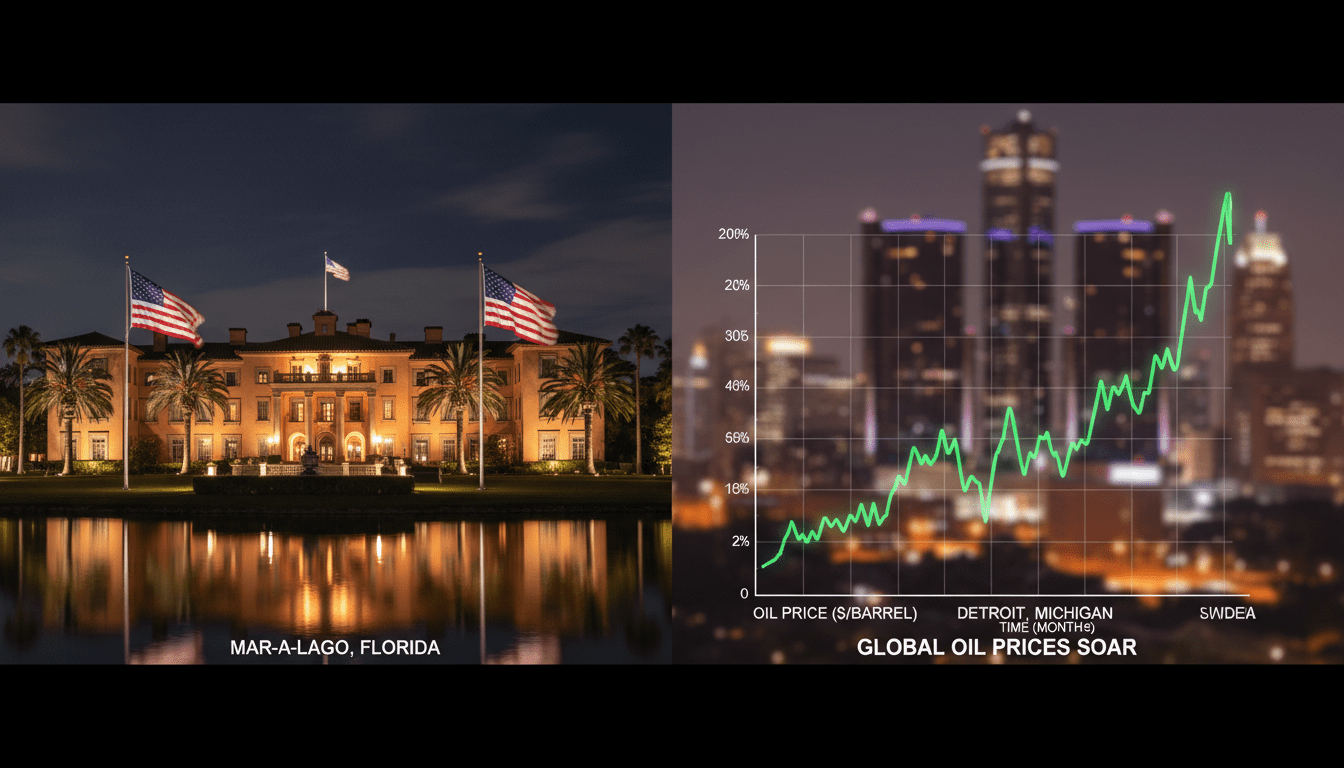
Beyond the cultural and emotional impact, the strikes pose a tangible economic threat to Detroit’s residents and its primary industry. Global oil markets reacted swiftly to news of the confrontation, with crude futures jumping in early trading. For Detroiters, who rely heavily on personal transportation, this could translate to higher prices at the pump within days.
According to data from AAA Michigan, gas prices in the Metro Detroit area have been stabilizing recently, but geopolitical shocks can reverse such trends overnight. "Any disruption or threatened disruption in the Strait of Hormuz or Iranian oil output psychologically spooks the market," noted a local energy analyst. "If this conflict prolongs, we could see Michigan averages climb back toward uncomfortable highs, putting strain on household budgets."
Furthermore, Detroit’s automotive giants are watching closely. The "Big Three" automakers rely on stable global logistics and energy prices. High oil prices often dampen consumer demand for larger vehicles like trucks and SUVs, which are the profit engines for companies like Ford and General Motors. Supply chain volatility, already a sensitive issue post-pandemic, remains a concern if the conflict expands to affect shipping lanes.
Local Political Reactions
Michigan’s political leaders have started to weigh in, reflecting the state’s divided opinion. Some representatives have issued statements supporting the President’s decision to take decisive action against perceived threats, citing national security. However, progressive voices within the Detroit delegation are questioning the authorization and timing of the strikes.
Discussions are expected to intensify in Lansing and Detroit City Hall regarding the domestic implications. See more on local political updates here. Leaders are urging residents to remain peaceful and united despite differing views on foreign policy. "Detroit is a city of resilience and diversity," a City Council member remarked. "We must ensure that international events do not divide us locally."
What Happens Next?
As the dust settles from the initial strikes, the focus in Detroit turns to the fallout. Will there be retaliation? How will the local economy weather potential energy cost spikes? For now, residents are advised to stay informed through credible news sources.
The coming days will be critical for both the administration and local communities as the full scope of the operation—and its consequences—becomes clear. For continued coverage on how this situation affects Detroit neighborhoods and businesses, keep reading DetroitCityNews.com.
This story is developing. Check back for updates on gas price trends and community responses.