As tensions escalate along the Iran border involving Kurdish insurgents and Iranian security forces, the ripple effects are being felt thousands of miles away in Southeast Michigan. Metro Detroit, home to one of the largest Middle Eastern populations in the United States, is closely watching how the incoming Trump administration navigates the complex web of alliances and enmities in the region. For many Detroit residents with ties to the region, the renewed conflict is not just a geopolitical headline—it is a personal crisis involving family, safety, and the future of their homelands.
The recent surge in clashes between Kurdish rebels and the Islamic Revolutionary Guard Corps (IRGC) has reignited debates over U.S. foreign policy. With President Donald Trump signaling a return to a “maximum pressure” campaign against Tehran while navigating a complicated history with Kurdish forces, community leaders in Detroit and Dearborn are expressing a mix of anxiety and cautious optimism.
The Conflict: Insurgency and Trump Policy
The border region between Iran and the Kurdish autonomous zones has long been a flashpoint for insurgency. Recent reports indicate intensified skirmishes, with Kurdish opposition groups launching operations against Iranian military targets. This resurgence comes at a critical time as Washington recalibrates its stance on the Middle East.
During his previous term, President Trump maintained a hardline stance against the Iranian regime, withdrawing from the nuclear deal and imposing sweeping sanctions. However, his policy toward Kurdish groups was often transactional, leading to fears among Kurdish-Americans that they might be sidelined in favor of broader anti-Iran strategies.
According to analysts monitoring the region, the new administration is expected to leverage the unrest to further isolate Tehran. However, the specific role the U.S. will play in supporting or restraining Kurdish rebels remains a point of contention. For Detroit’s politically active diaspora, these policy nuances translate into real-world consequences for their relatives abroad.
Impact on Detroit Residents and the Kurdish Community
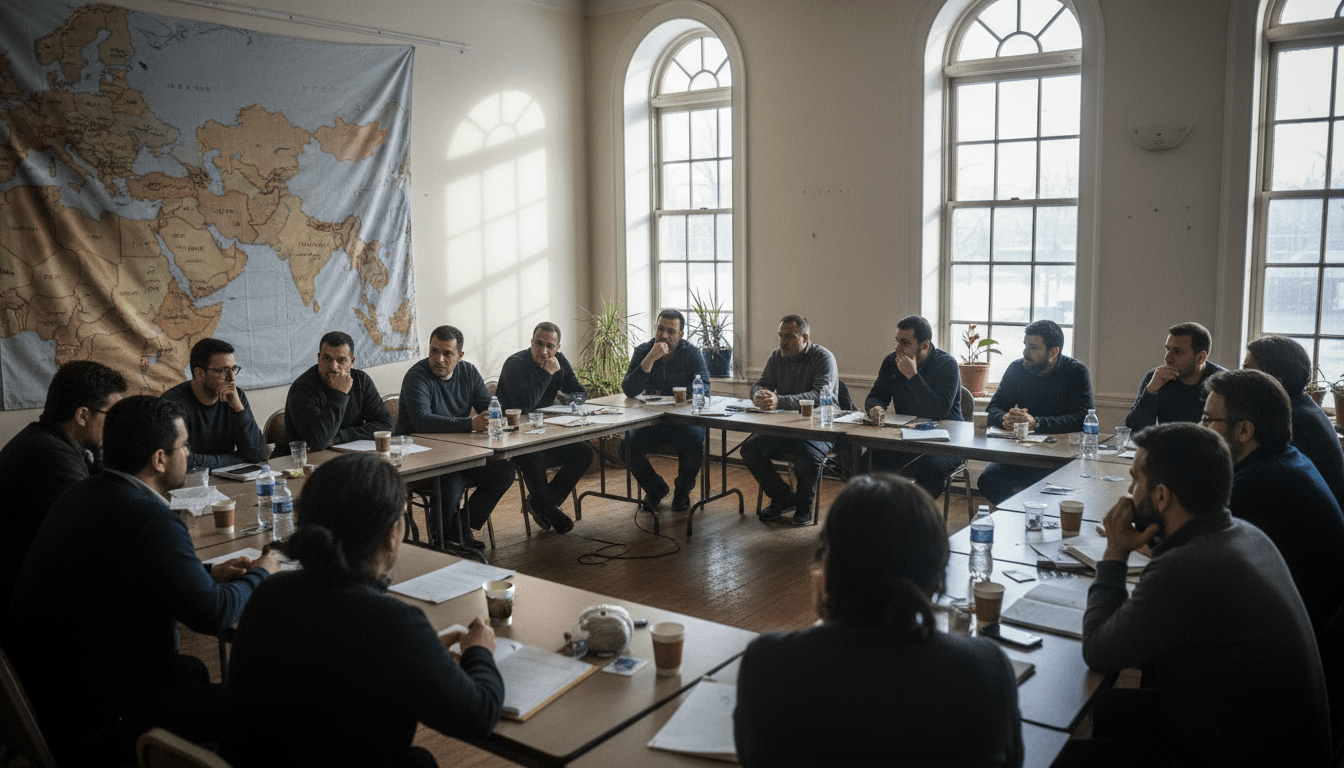
The uncertainty surrounding the Trump Iran policy Detroit residents are discussing is palpable in local community centers and coffee shops. Wayne County hosts a significant Kurdish and Iranian-American population, many of whom arrived as refugees fleeing persecution.
Local community organizers in the Metro Detroit area report that phones have been ringing non-stop since news of the border clashes broke. “People are terrified,” said a representative from a local Kurdish-American cultural association, who asked to speak on background to protect family members still in the region. “They don’t know if the U.S. will support the Kurdish aspirations for freedom or if they will be used as pawns in a larger game against Iran. The trauma of past betrayals is very fresh for our community here in Detroit.”
Conversely, some factions within the Iranian diaspora in Michigan view the insurgency and Trump’s aggressive posture as a necessary catalyst for regime change. For these residents, the escalating pressure on Tehran is seen as a path toward a democratic Iran, despite the short-term instability.
This division in perspective highlights the complexity of Detroit’s diverse cultural landscape. While the community is united by geography, political allegiances often mirror the fractured map of the Middle East.
Economic Anxiety and Remittances
Beyond the political discourse, the conflict poses a direct threat to the financial lifelines that connect Detroit to the Middle East. Many families in the region rely on remittances sent from relatives working in Detroit’s automotive and service sectors.
Sanctions associated with the “maximum pressure” campaign, combined with physical border closures due to the insurgency, have made transferring funds increasingly difficult. “It’s not just about politics; it’s about survival,” explained Dr. A. Rossi, a macro-economist familiar with remittance flows in conflict zones. “When borders close and sanctions tighten, the cost of sending money skyrockets. This directly impacts the disposable income of families here in Detroit who are trying to support loved ones.”
Local business owners in Dearborn and Hamtramck have also expressed concern. Instability in the Middle East often leads to fluctuations in oil prices and global supply chains, which can eventually impact local economic stability and gas prices, affecting everyone in the Motor City regardless of their heritage.
Academic Perspective and Data
Political science experts at Wayne State University suggest that Detroit’s reaction is indicative of a broader trend where local politics are increasingly globalized. According to data from the U.S. Census Bureau, Michigan has the highest concentration of Arab Americans in the country, making the state a critical bellwether for how foreign policy impacts domestic public opinion.
“Detroit is unique because foreign policy decisions in Washington have immediate, tangible effects on the ground here,” noted a senior lecturer in Global Studies at a local university. “When we talk about the Iran border or Kurdish insurgents, we aren’t talking about abstract concepts. We are talking about the cousins and siblings of voters in Wayne County.”
What Happens Next?
As the Trump administration finalizes its foreign policy team, Detroit’s advocacy groups are mobilizing. Several local organizations are planning town halls to discuss the implications of the border conflict and to lobby Michigan representatives to ensure the safety of civilians in the conflict zone.
The coming months will be critical. If the insurgency along the Iran border intensifies, Detroit could see a new wave of asylum seekers or increased activism on the streets of downtown. For now, the community watches and waits, hoping that the shifting tides of U.S. policy will favor stability over further chaos.