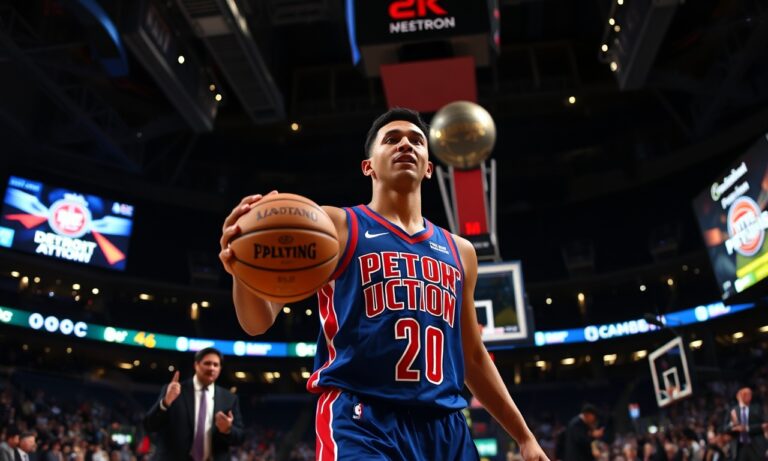
Rumors swirling around the Eastern Conference have added fresh fuel to Detroit basketball talk after new reports claimed the Detroit Pistons are among the teams that received a LeBron James proposal as the NBA season intensifies and the Eastern Conference race tightens. While nothing has been confirmed by the Pistons or by James, the speculation is already rippling through Detroit’s fan base and front-office conversations as analysts weigh how star power could reshape the playoff picture.
According to a report carried by ESPN, discussions and speculation about James’ potential next move are continuing as teams monitor the trade market and evaluate roster flexibility. Separately, The Athletic has noted that NBA trade rumors often surge when contenders and postseason hopefuls try to align contract timing with on-court needs.
In Detroit, the timing matters. With the Pistons pursuing long-term competitiveness while also trying to accelerate their return to playoff relevance, any credible storyline involving a generational star would be a high-impact development—whether or not it ultimately materializes.
What the “LeBron James proposal” rumor suggests for Detroit
The phrase “LeBron James to Pistons” has circulated online after reports indicated the Pistons were among the teams referenced in connection with a hypothetical framework involving James. In practical terms, that kind of proposal—if it were to move beyond talk—would likely intersect with the Pistons’ ability to gather salary-matching pieces, maintain young-player development, and preserve draft flexibility.
However, league processes and the reality of roster construction can limit what a front office can do quickly. NBA teams must follow collective bargaining agreement rules for trades, including salary matching requirements and roster constraints. Even when star rumors gain momentum, teams still need to clear legal and financial hurdles before anything becomes actionable.
For Detroit, the biggest question is whether the Pistons would be willing to trade away near-term assets to pursue an immediate, headline-changing upgrade.
Impact on Detroit Residents: beyond basketball headlines
While a potential LeBron James proposal is centered on the NBA, Detroit residents are unlikely to experience it as purely entertainment. Professional sports decisions can influence local economic activity, arena operations, and the broader sports brand that supports local businesses.
According to data from the U.S. Census Bureau, service-sector employment—including entertainment and food services—can be sensitive to consumer spending patterns. Large sports events can drive demand for restaurants, rideshare trips, and merchandise sales on game days, especially in areas surrounding major venues.
In Detroit, where sports and nightlife often overlap around downtown corridors, even incremental buzz can affect consumer behavior. If fans believe a high-profile player could be coming—or if the Pistons’ playoff chase becomes more compelling—attendance interest and local spending tend to rise.
There’s also a civic dimension. Detroit has invested over the years in strengthening its image as a sports destination and in fostering community engagement through team programming. A meaningful star acquisition, if it occurred, could amplify those efforts and potentially expand visibility for Detroit youth basketball programs and local partnerships.
At the same time, residents should note that rumors are not guarantees. The economic “upside” tied to speculation is indirect and uncertain; the most concrete benefits come from actions—contracts, roster changes, and increased ticket demand—after confirmed announcements.
Eastern Conference race: why Detroit is watching now
The Pistons’ interest in star-level trade possibilities is best understood in the context of the Eastern Conference race. The conference has become a moving target year to year, and teams often recalibrate midseason when injuries, form, or standings shift. For Detroit, the storyline is less about chasing one season at any cost and more about deciding whether to maximize current momentum or to protect the long view.
League-wide, analysts point to a recurring pattern: contenders typically increase pressure at the trade deadline, while teams on the cusp look for upgrades that can keep them in playoff contention. NBA trade speculation tends to intensify when front offices believe the postseason is achievable—even if the path is narrow.
That dynamic is why this rumor has landed in Detroit at a moment when fans are already engaged. Even if the Pistons are not the “front-runner” in a James scenario, being named in NBA rumors can have real consequences for how opponents prepare and how Detroit’s own supporters interpret the team’s direction.
Background & data: how trade rumors spread—and what’s verifiable
Basketball coverage moves quickly, especially when the subject is a player of James’ stature. ESPN and other major outlets frequently aggregate information from teams, agents, and league observers. Still, readers should distinguish between confirmed reporting, named sources, and broader speculation.
In Detroit’s case, the most important “verification points” would come from direct statements by the Pistons organization, credible reporting that specifies trade framework details, or official NBA transaction activity such as trade agreements or contract paperwork. Until those steps occur, the LeBron James to Pistons narrative remains in the realm of NBA trade speculation.
There is also a broader strategic consideration. Detroit’s roster strategy has typically balanced youth development with selective veteran additions. A move of James’ magnitude would likely force a wholesale assessment: what roles expand, what players change positions, and how the team’s salary structure affects the years after the trade.
What happens next for the Pistons
Even if Detroit is listed in connection with a potential James framework, the next steps would be driven by front-office evaluation and the league’s timeline. The NBA trade market generally intensifies as the deadline approaches, and teams often wait to see whether contenders add help or whether fringe teams become more realistic sellers.
For Pistons fans, the practical watchlist should include:
- Confirmed reporting: reputable outlets detailing whether the Pistons made a formal offer or whether talks advanced beyond initial discussion.
- Roster signaling: lineup changes, minutes patterns, and whether Detroit’s coaching staff emphasizes a particular competitive direction.
- Salary/asset constraints: whether Detroit has the combinations of players, picks, and contract matching needed for a star-level acquisition.
- Injury and standings movement: the speed at which Eastern Conference rivals shift plans based on results.
Until then, residents in Detroit can treat the Detroit Pistons and LeBron James proposal storyline as something to monitor rather than something to plan around. The rumor’s immediate value is informational—revealing that Detroit’s basketball conversations are aligned with high-stakes competition—while its ultimate impact will depend on what gets confirmed.
Bottom line for Detroit
For now, this is a developing rumor tied to the broader Eastern Conference race. If credible reporting evolves from speculation into confirmed discussions, the Pistons could face a defining decision: pursue an immediate leap with star talent or maintain a measured approach built around development and flexibility. Either way, the attention on Detroit underscores a larger truth—when the NBA’s biggest names enter the conversation, local sports impact quickly reaches far beyond the scoreboard.