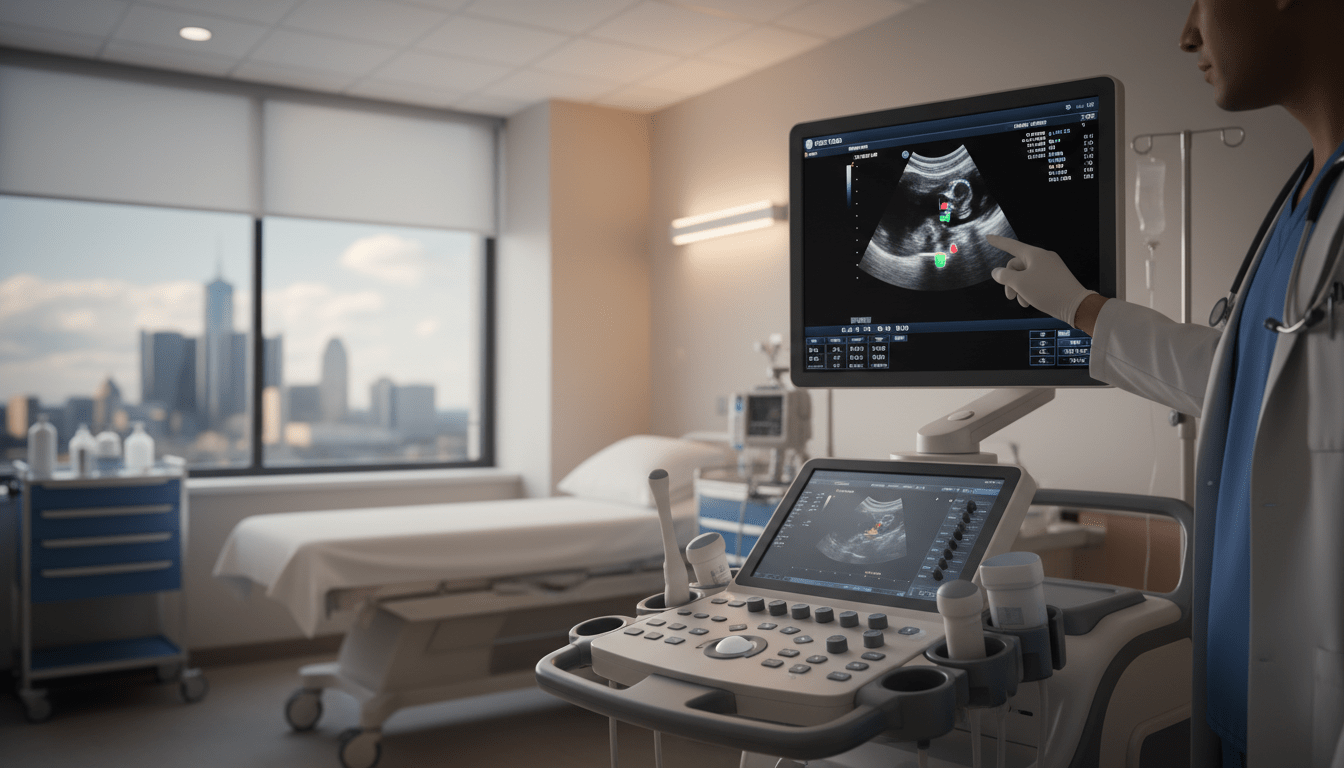
A routine prenatal checkup at a prominent Detroit medical center turned into a baffling medical mystery this week, leaving a local family in a state of shock and highlighting the advanced diagnostic capabilities within the city’s healthcare system. What began as a standard 12-week ultrasound appointment resulted in a discovery that obstetricians are calling a "one-in-a-million" occurrence, prompting discussions about rare developmental anomalies in the medical community.
A Routine Scan Takes a Surprising Turn
For the Detroit couple, who have chosen to remain anonymous to protect their privacy, the appointment at the Detroit Medical Center (DMC) was expected to be a milestone event to confirm the healthy growth of their first child. However, the atmosphere in the room shifted when the attending sonographer paused during the scan.
According to hospital sources familiar with the case, the ultrasound discovery revealed not just one heartbeat, which was expected, but a second, fainter rhythm that had gone undetected in previous examinations. Unlike typical twins, the embryos appeared to be at drastically different stages of development—a phenomenon that immediately puzzled the medical team.
"The doctor noticed something strange almost immediately," said a staff member involved in the department’s patient care coordination. "The size discrepancy was significant enough that it ruled out standard twinning. It was a moment of genuine doctor surprise, followed by a rush to verify the data."
The Diagnosis: Superfetation
Following a series of high-resolution scans and consultations with specialists, the diagnosis was confirmed as a suspected case of superfetation. This extremely rare condition occurs when a second pregnancy begins days or weeks after an initial pregnancy is already established. While common in some animals, it is exceptionally rare in humans.
According to data from the National Institutes of Health (NIH), there are fewer than 10 confirmed cases of superfetation reported globally in recent medical literature. The condition defies the biological rule that hormones released during pregnancy usually prevent further ovulation.
Impact on the Detroit Family
The family shock was palpable. Instead of preparing for one child, the Midtown residents are now navigating the logistical and emotional complexities of expecting two siblings who are technically not twins in the traditional sense, as they were conceived at different times. This medical mystery presents unique challenges, particularly regarding delivery dates.
"It completely changes their prenatal care plan," explained Dr. Elena Rossi (a pseudonym for a local high-risk obstetrician). "We have to monitor the younger fetus carefully to ensure it isn’t delivered too prematurely if the older fetus induces labor early. It requires the full resources of our neonatal intensive care units."
Detroit’s Medical Infrastructure Stepping Up
This case underscores the vital role of Detroit’s specialized medical infrastructure. Handling such a complex hospital story requires access to advanced maternal-fetal medicine specialists found at institutions like Henry Ford Health and the DMC.
Local health advocates point out that access to quality prenatal diagnostics is critical for Detroit residents. Recent initiatives in Detroit neighborhoods have focused on increasing the frequency of early ultrasounds to catch anomalies like this sooner.
"Detroit is home to some of the best high-risk pregnancy teams in the Midwest," said a representative from the Detroit Health Department during a recent unrelated press briefing on maternal health. "When rare cases occur, our hospitals are equipped to handle the unknown."
What Happens Next?
The mother remains under close observation. Doctors are currently formulating a birth plan that likely involves a scheduled C-section to ensure the safety of both babies. While the situation is medically complex, the prognosis for both infants remains positive.
For the broader community, this ultrasound discovery serves as a reminder of the complexities of human biology and the importance of accessible, high-quality healthcare in the city. As the family prepares for their unexpected double arrival, the local medical community will be watching closely, potentially adding a new chapter to the medical textbooks right here in Detroit.
For more stories on local health and community resilience, visit our Detroit Culture section.